Museums as Sites of Citizenship (MUCIT)
Museums as Sites of Citizenship (MUCIT) equips museums, schools, libraries, civil society organisations, teachers and educators across Europe with trauma-sensitive, dialogue-based tools to address difficult histories, process war-related trauma and promote human rights and democratic values among youth developed in collaboration with experts from Ukraine, Norway, and Poland.
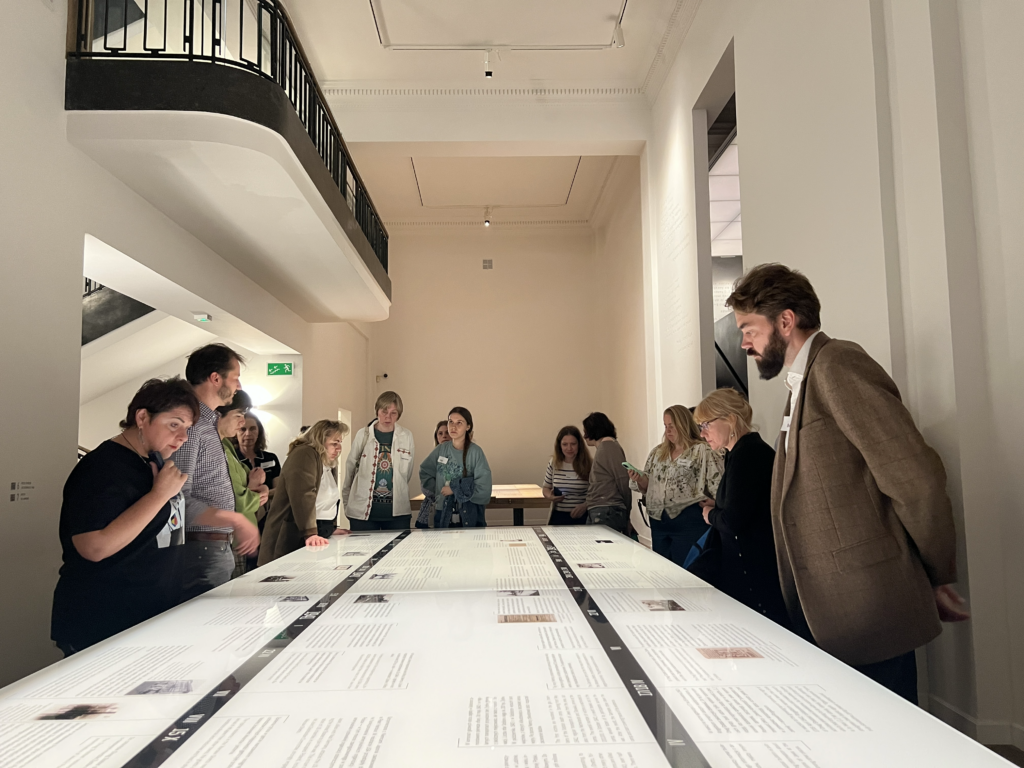
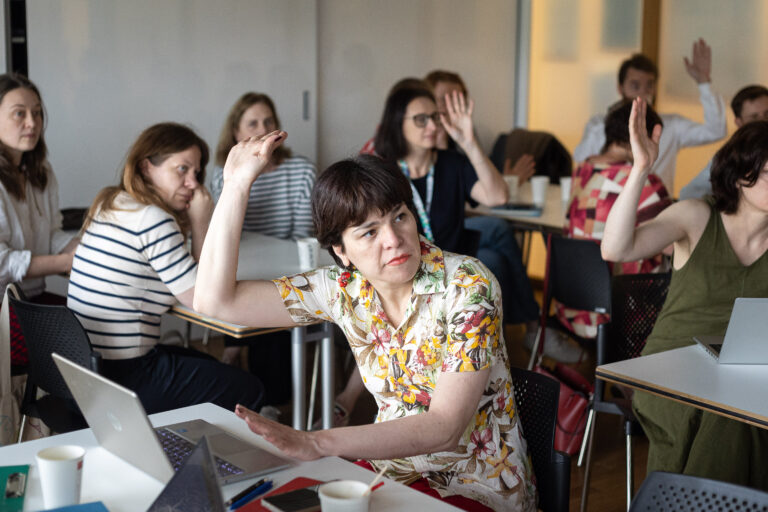
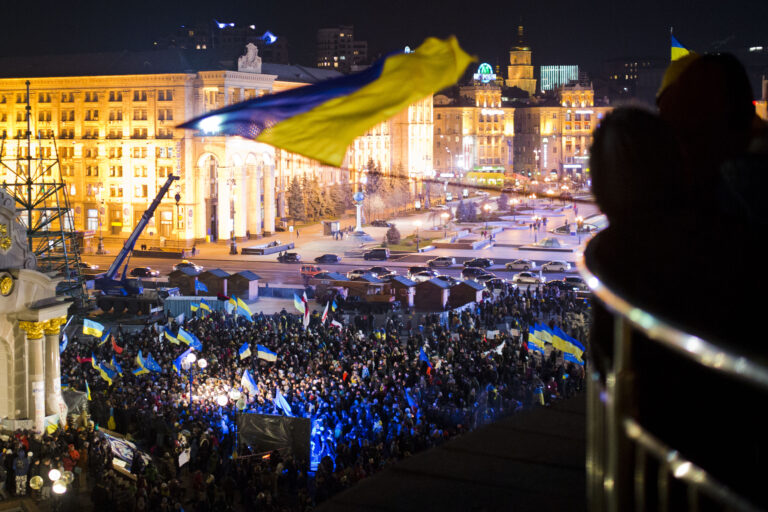
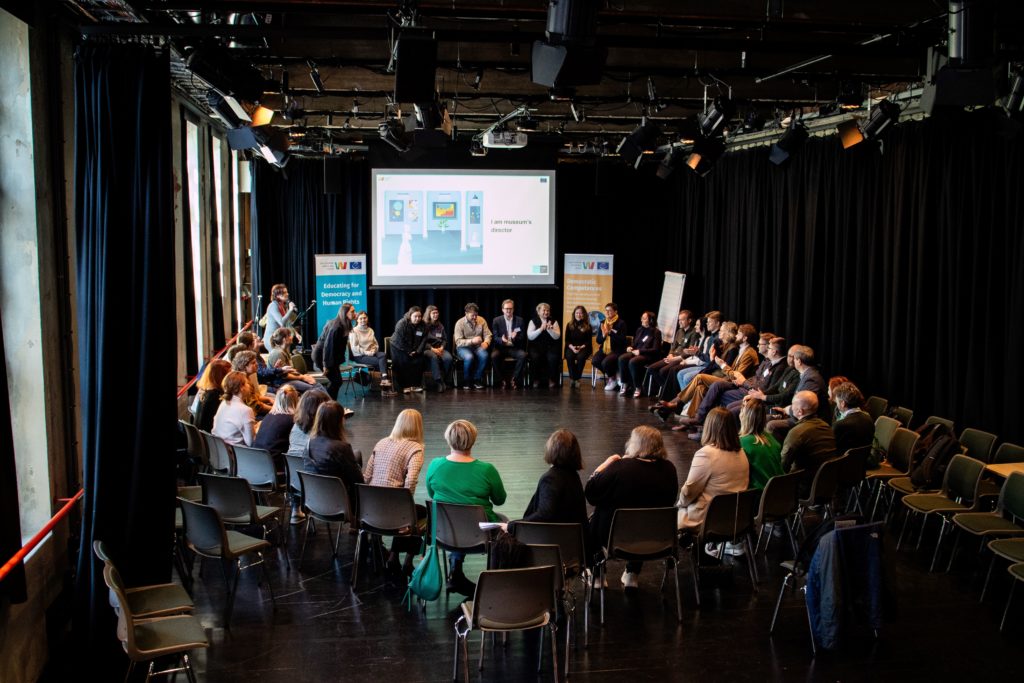
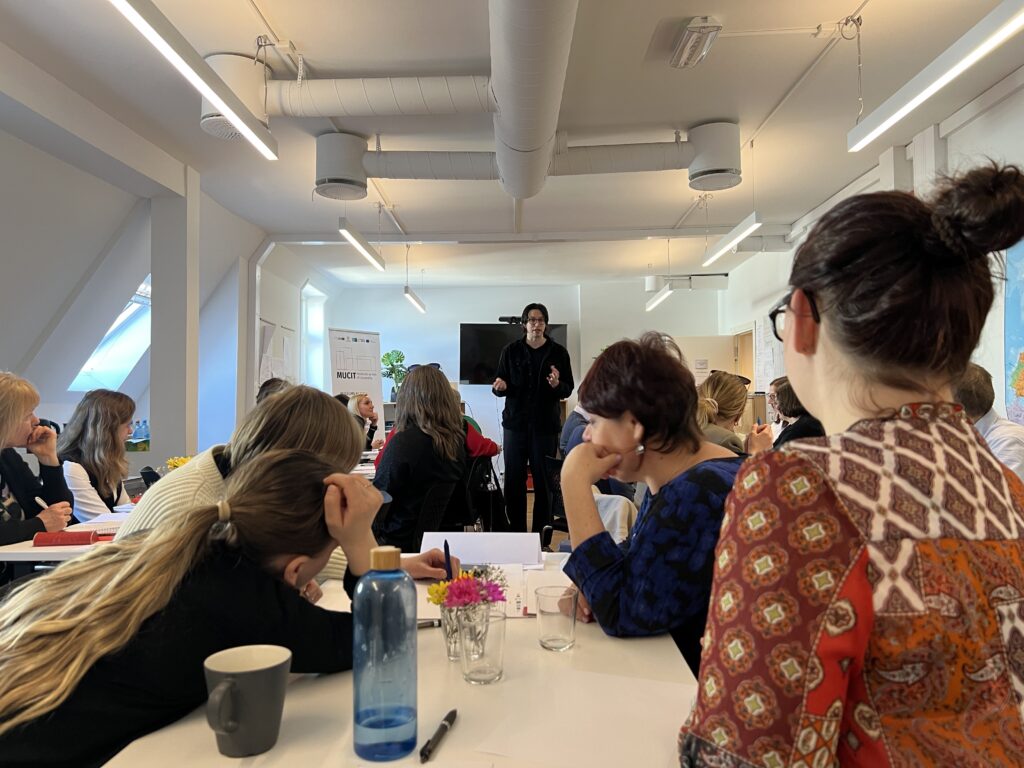
Through cross-border capacity-building workshops, field-tested educational resources, and groundbreaking empirical research across Ukraine, MUCIT transforms cultural heritage sites into active spaces for dialogue, trauma-sensitive learning, and civic participation. By establishing open-access digital tools, launching The International Democratic Museum Practice Archive, and supporting the pilot training of a resilient network of “Museum Ambassadors” of the National Memorial Complex of the Heroes of the Heavenly Hundred – Museum of the Revolution of Dignity (MAIDAN museum) in Kyiv, the initiative bridges the gap between formal education and cultural institutions to ensure long-term, sustainable impact across Europe.
Digital Resource Hub for Museums, Schools & Civil Society
Engaging with Controversial Pasts: Interactive Activities for Schools and Museums
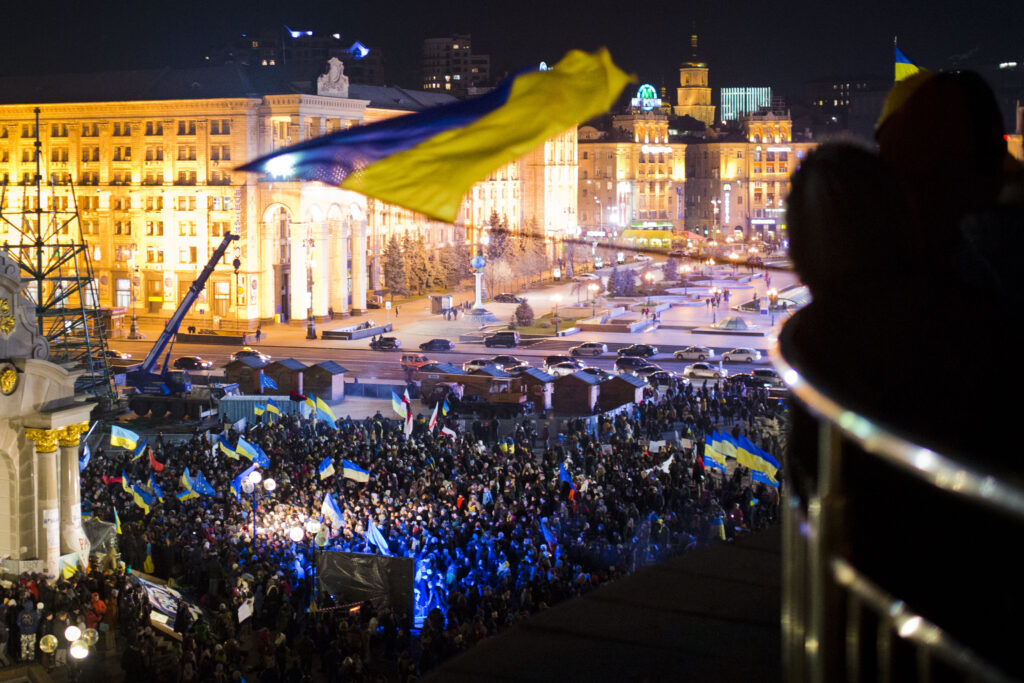
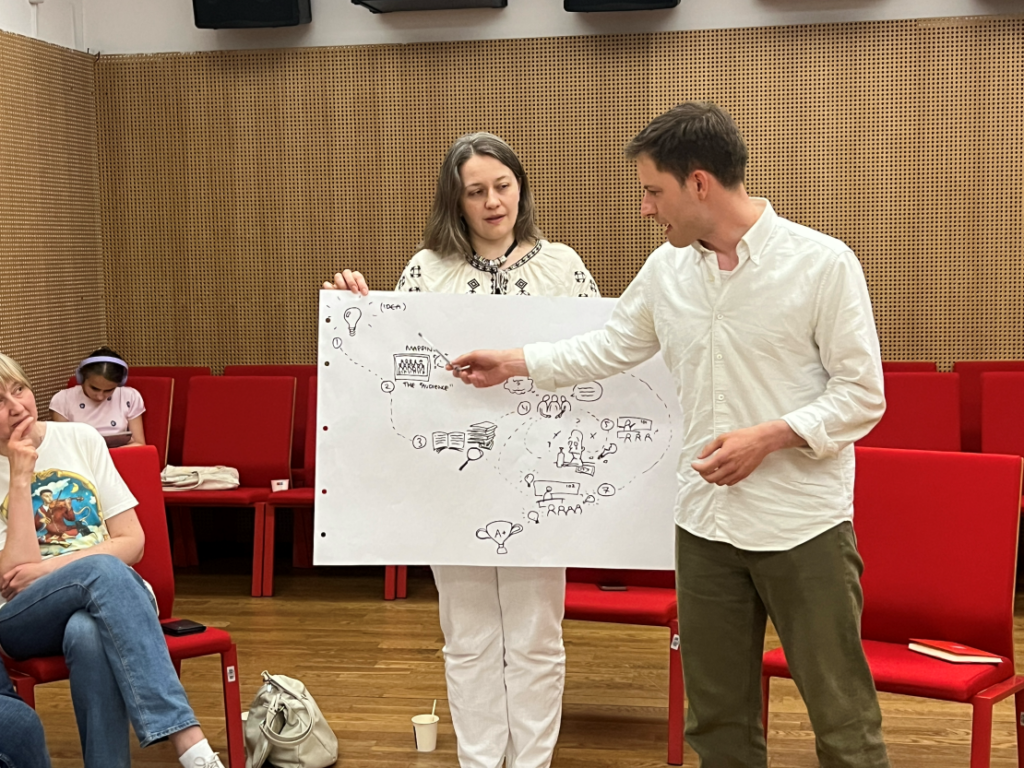
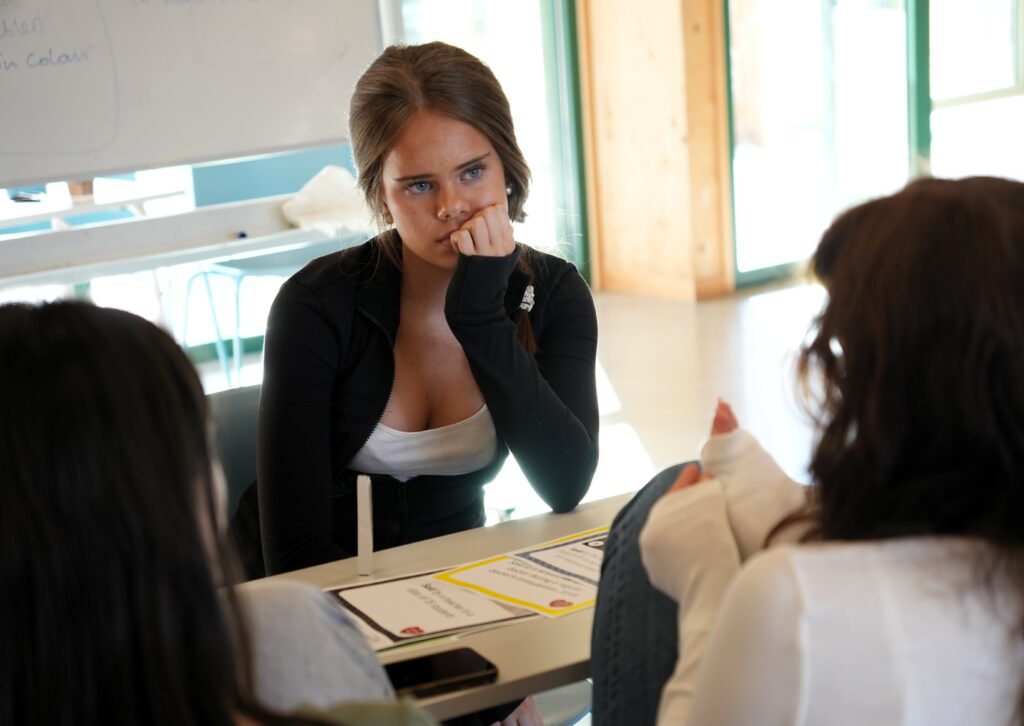
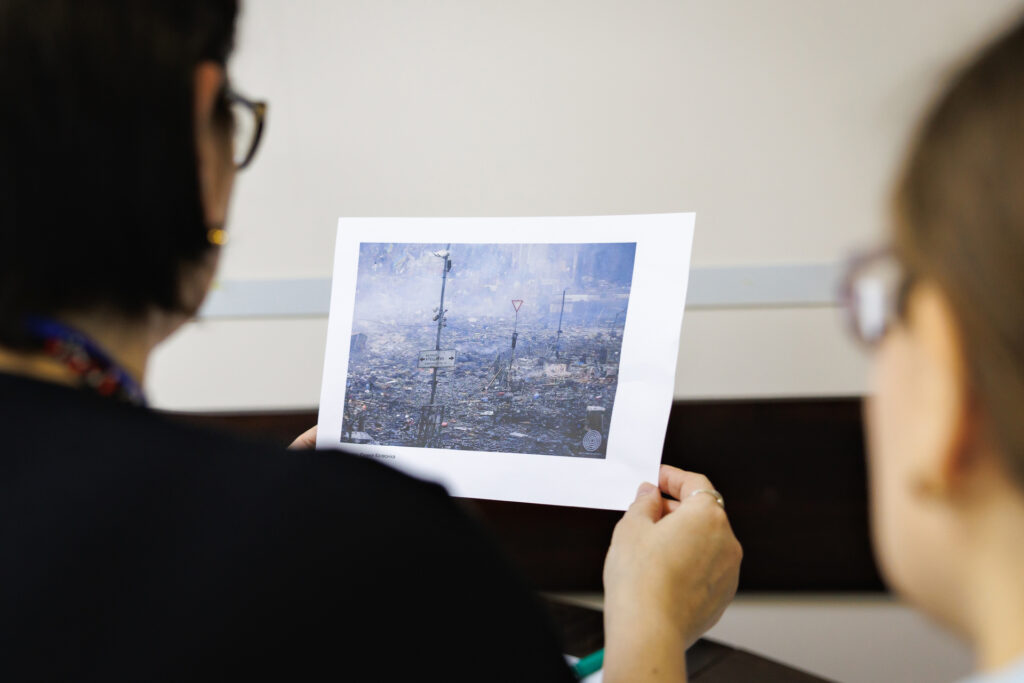
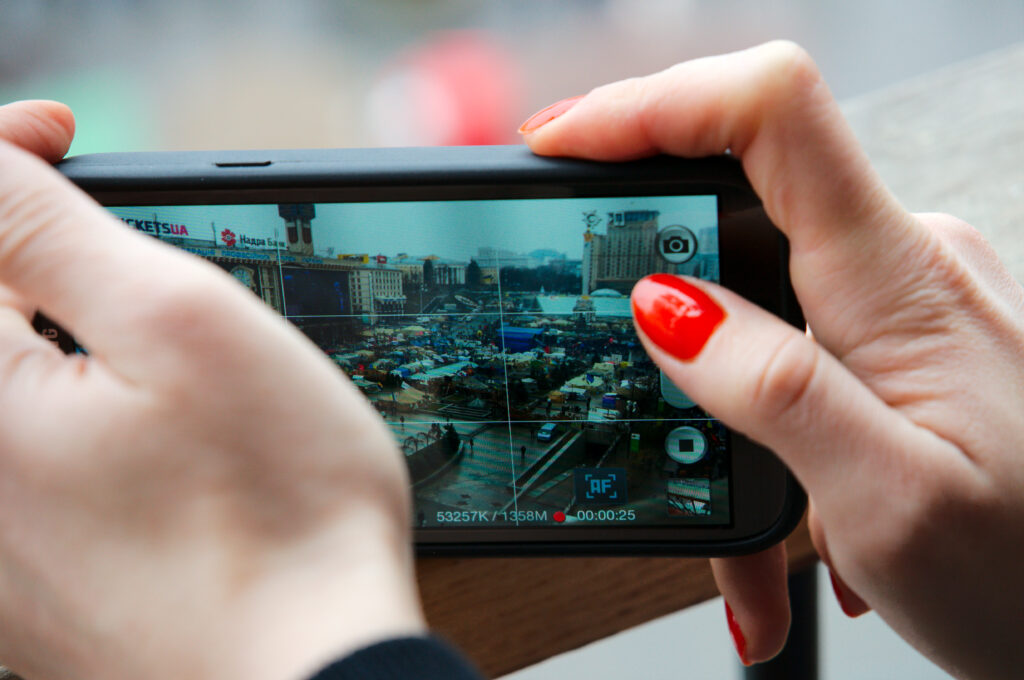
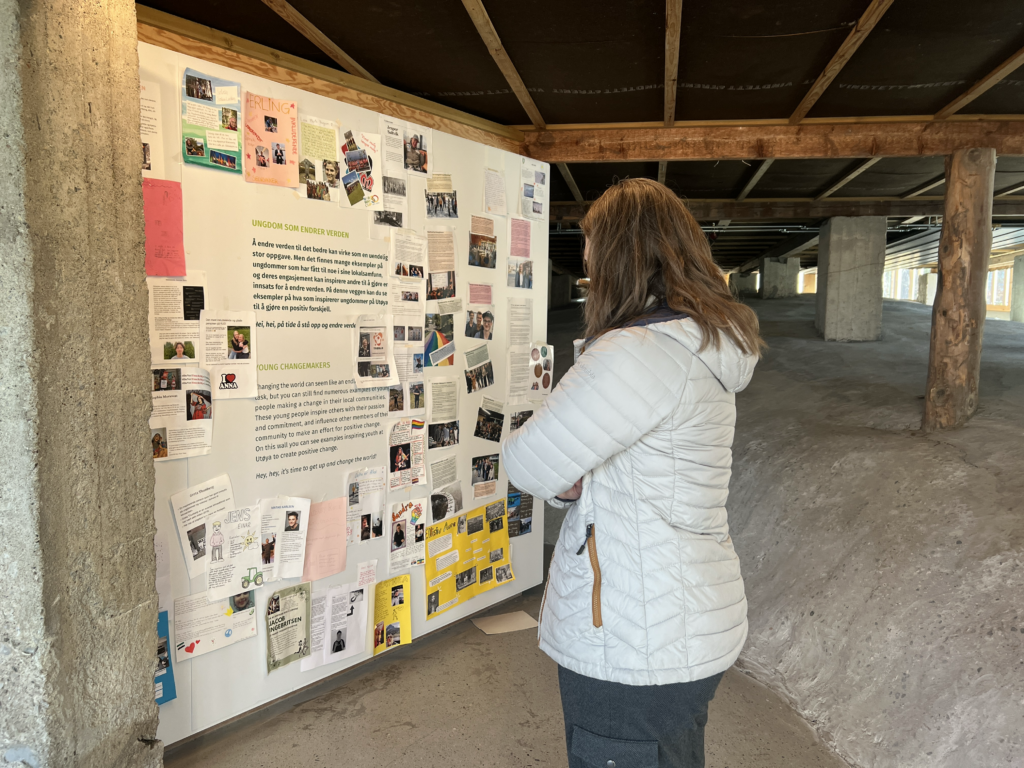
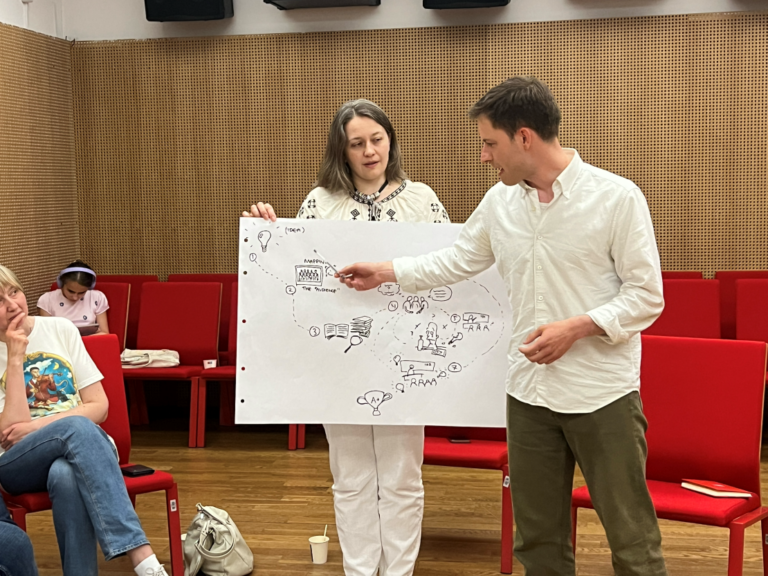
Working with controversial issues means transforming challenging societal topics into powerful opportunities for democratic learning. In line with the Council of Europe, controversial issues are defined as topics that arouse strong feelings and divide communities because they touch on sensitive values, beliefs, and competing historical narratives where no simple consensus exists (Council of Europe). Rather than avoiding these subjects out of a fear of conflict, this approach grounds its methodology in Education for Democratic Citizenship and Human Rights (EDC/HRE) and trauma-sensitive pedagogy (The European Wergeland Centre). This equips teachers, educators, museum pedagogues, tour guides, and civil society leaders with concrete frameworks to build mutual trust, create safe spaces for multi-perspective dialogue, and explore complex histories constructively. The 17 interactive educational activities featured in this hub put these principles directly into practice by providing step-by-step, field-tested facilitation guides tailored for formal classrooms, museums, libraries, and memorial sites. By offering practical approaches to handle complex topics – such as state violence, mass protest, contested monuments, war-related trauma, and national identity- these resources remove the guesswork from teaching sensitive subjects, providing clear strategies to cultivate youth civic engagement while safeguarding well-being in both peaceful and conflict-affected settings.
All activities below are available in English, Polish and Ukrainian
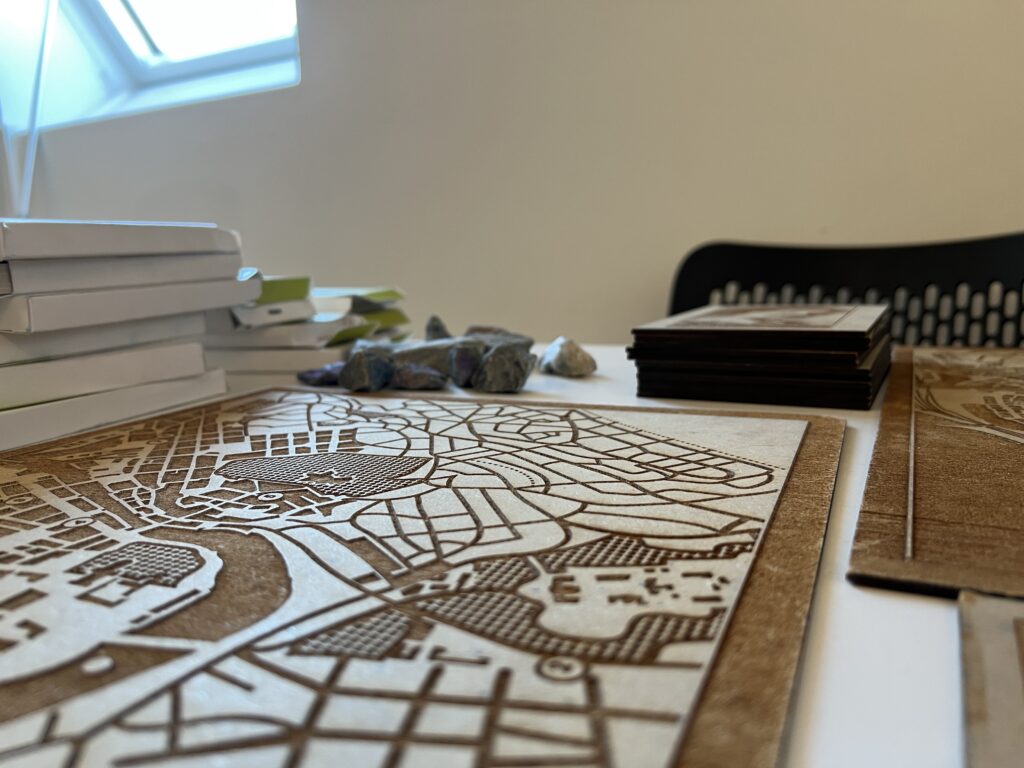
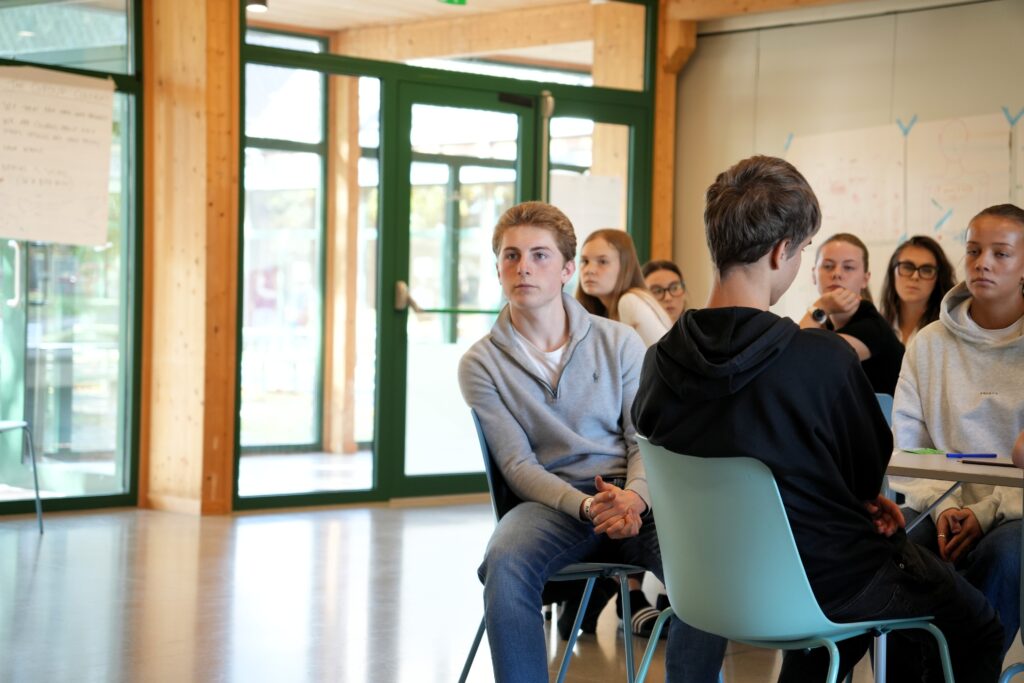
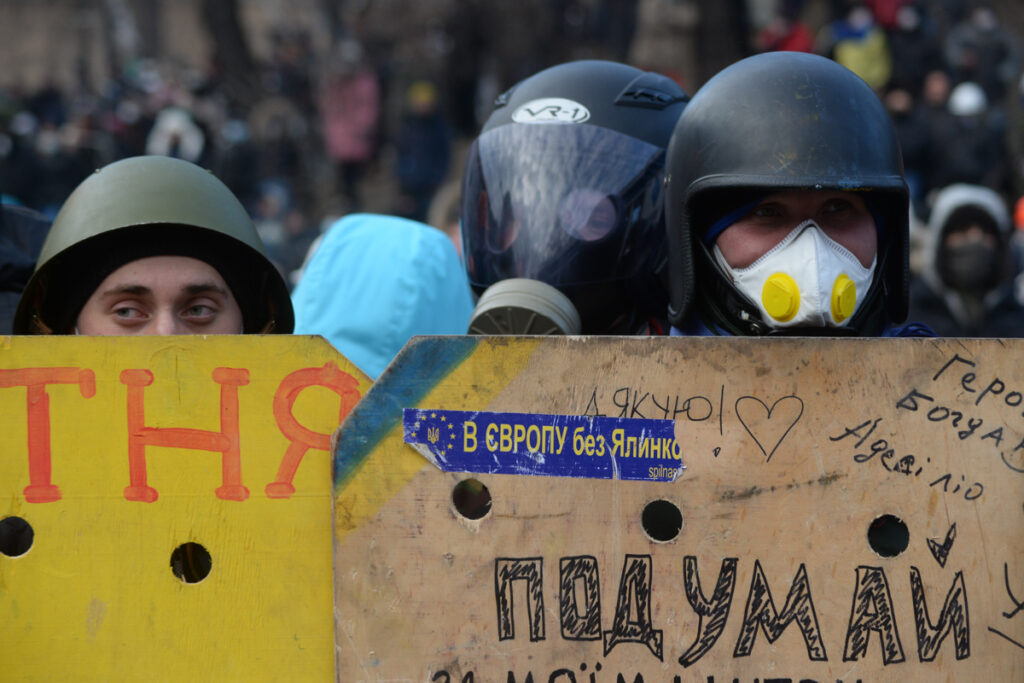
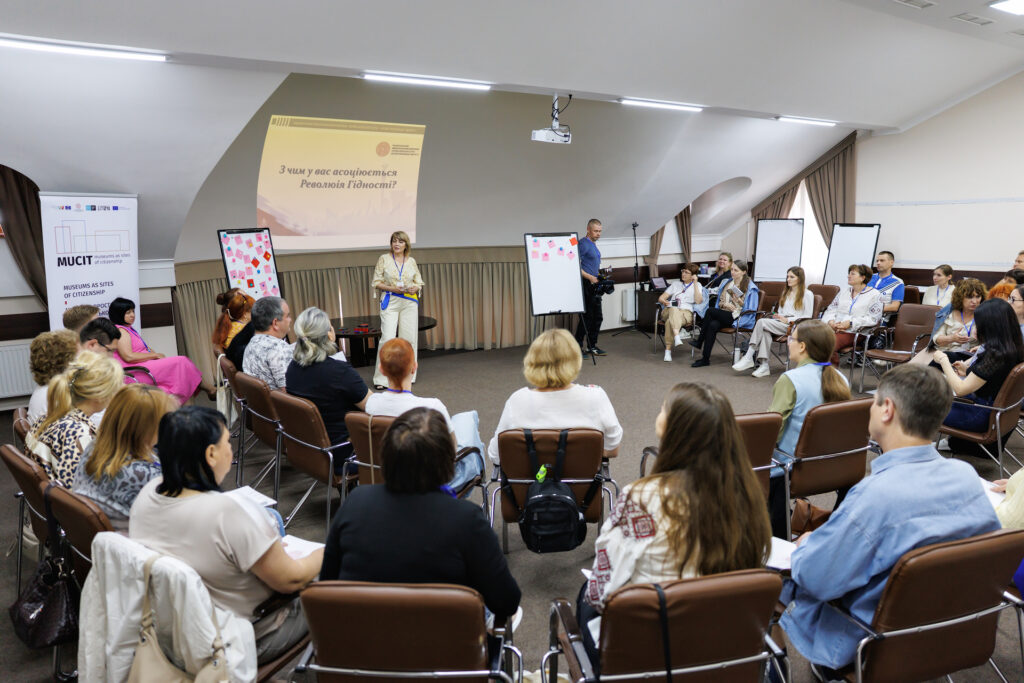
“Your work is genuinely inspiring and we believe that it can become a great example for the Ukrainian museum and cultural heriage community.
Olina Lirnyk, Creative Europe Ukraine
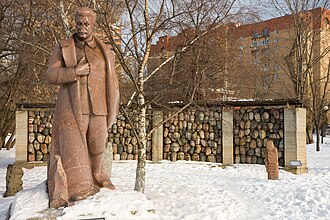
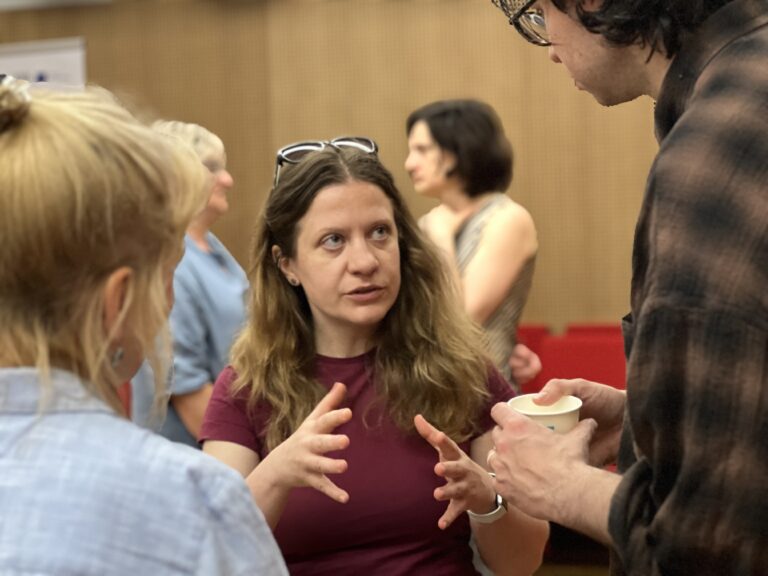
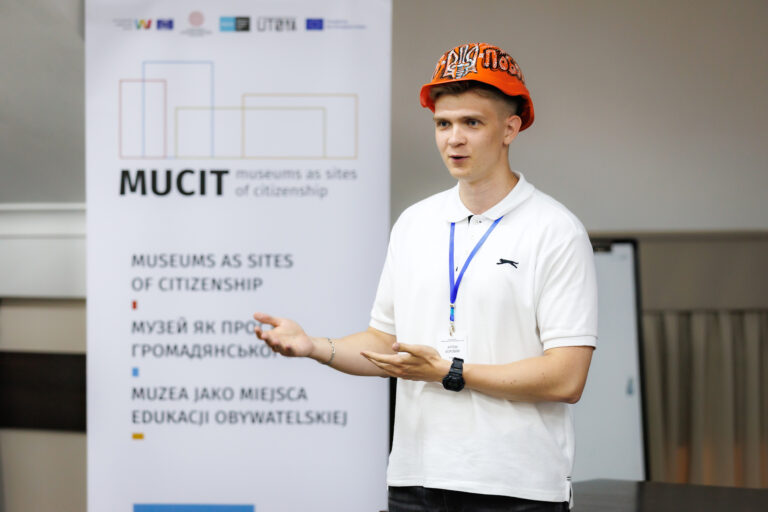

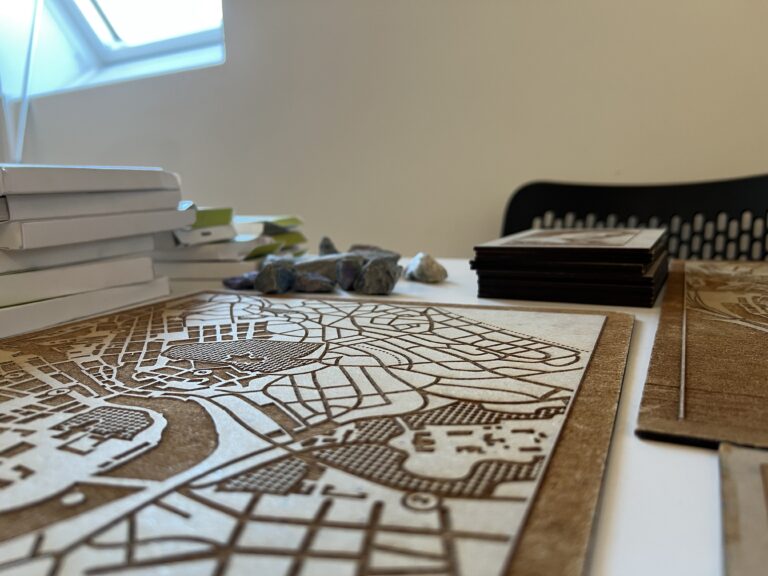
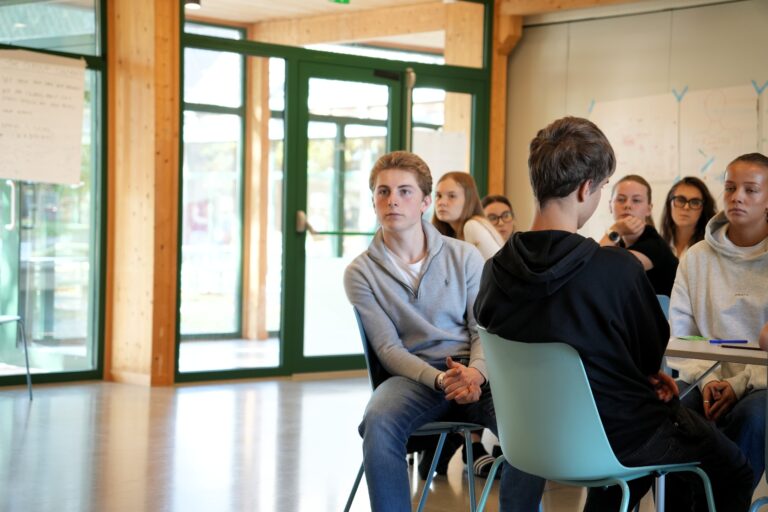
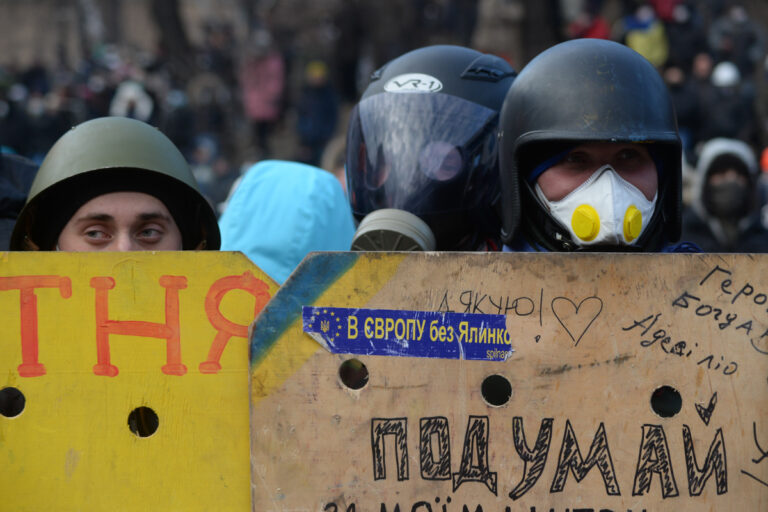
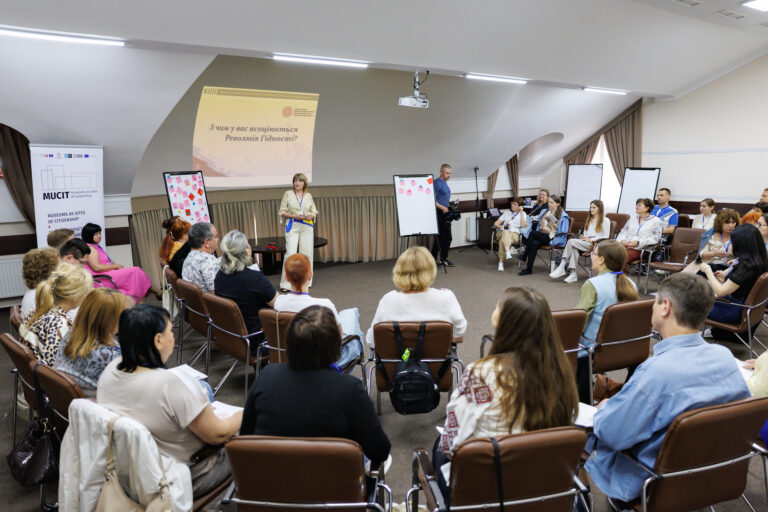
INTERNATIONAL DEMOCRATIC MUSEUM PRACTICE ARCHIVE
Does your cultural organisation/ institution/ museum be part of the ‘International Democratic Museum Practice Archive’?
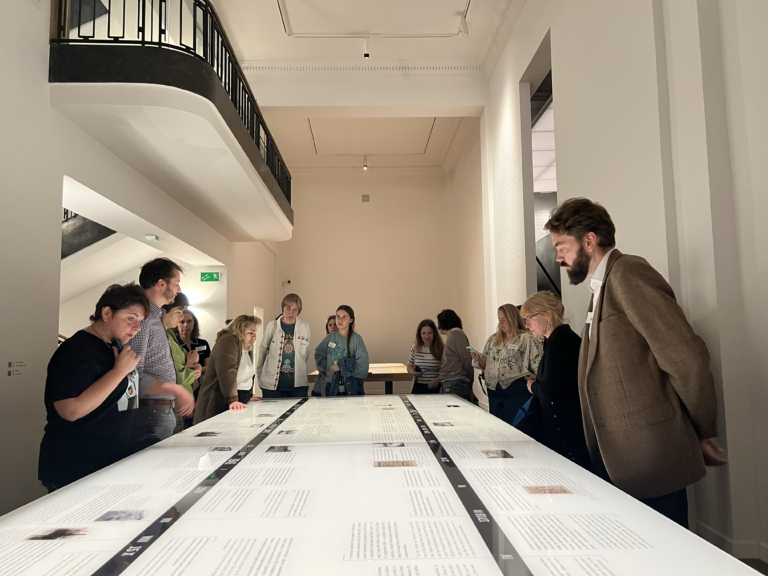
The International Democratic Museum Practice Archive is an open-access repository developed under the Museums as Sites of Citizenship (MUCIT) project, led by The European Wergeland Centre (EWC). Its primary goal is to build a living European database of democratic heritage practices by inviting external museums, memorial sites, and cultural organizations to share their field-tested educational activities. Designed to expand the project’s long-term sustainability, the Archive fosters an active, peer-to-peer community of practice for museum pedagogues, teachers, librarians and civil society educators across Europe.
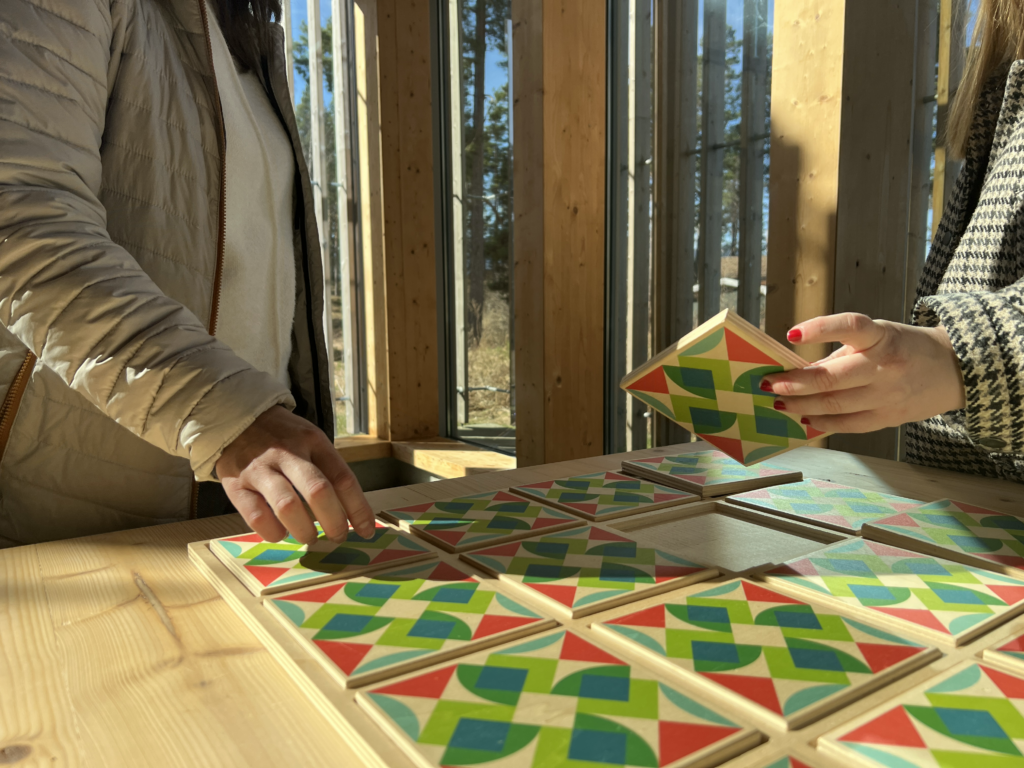
- Step 1: Submission: External institutions submit their educational activities, lesson plans, or methodologies to EWC in their original language at post@wergelandcentre.org with the subject MUSEUM PRACTICE ARCHIVE_REQUEST OF [INSTITUTION NAME]_[TITLE OF ACTIVITY]
- Step 2: Expert Review: EWC’s international team evaluates all submissions for pedagogical quality, multi-perspectivity, human rights principles, and trauma sensitivity.
- Step 3: Public Deposit: Approved activities are publicly deposited in the archive under the submitting institution’s name, providing international visibility and open access across Europe. The activity will not be translated to any other languages.
Looking forward to your submissions!

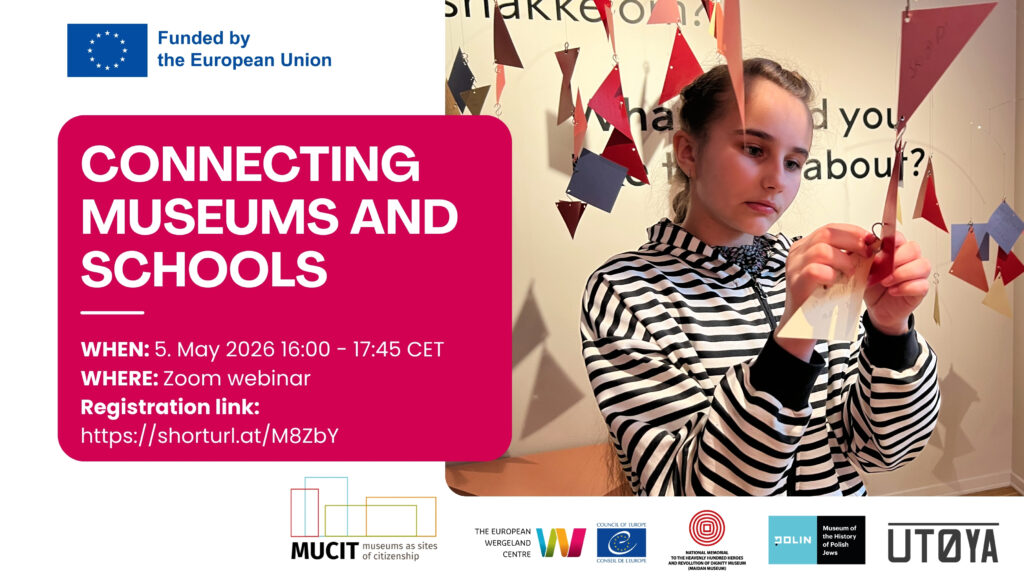
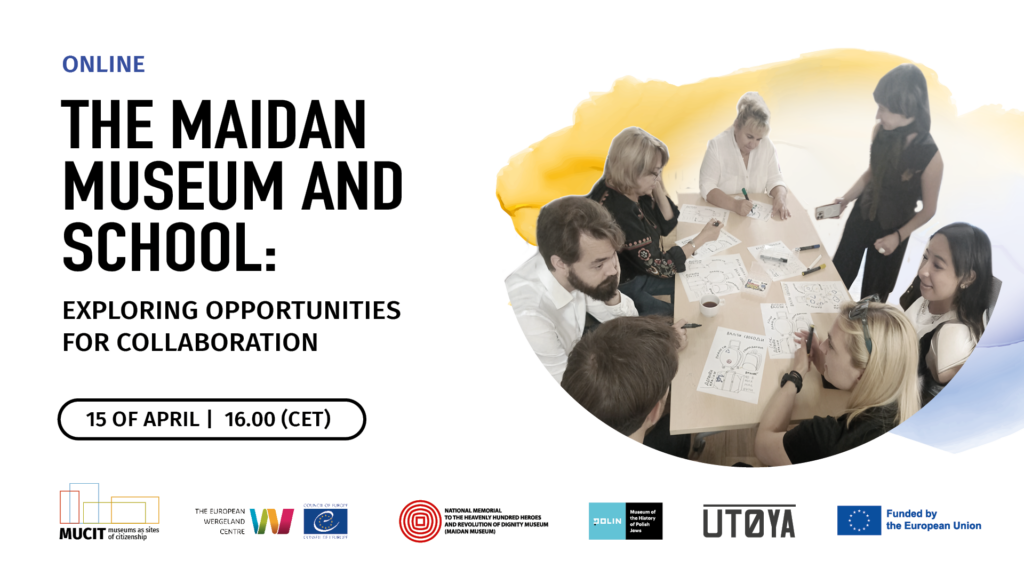
Webinars
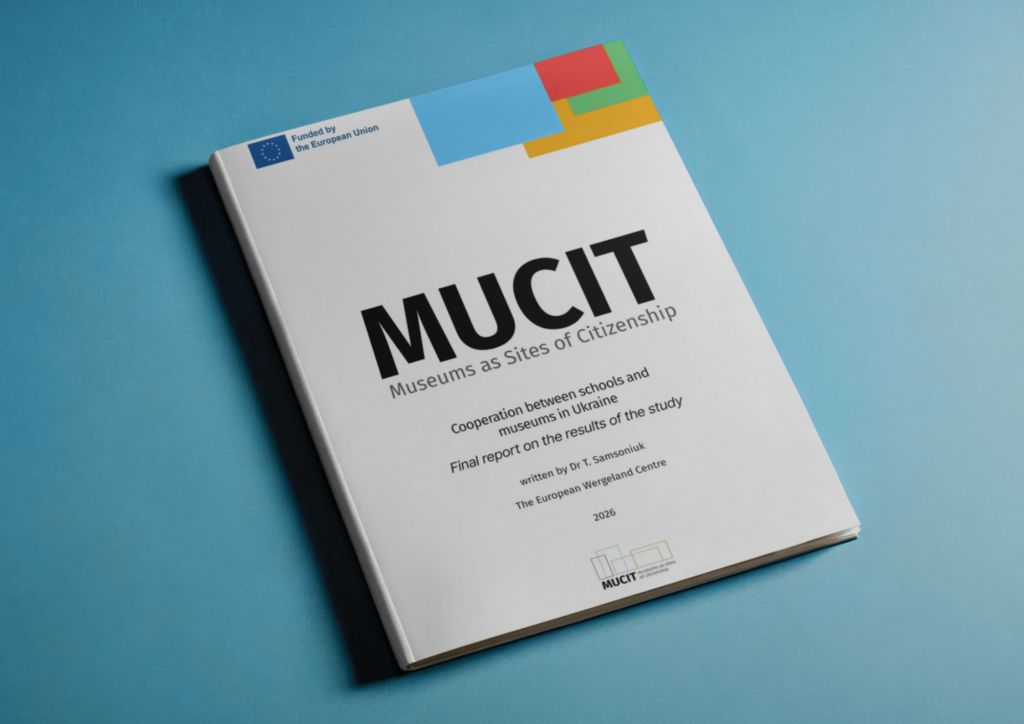
Report “Museums as Sites of Citizenship: Cooperation between schools and museums in Ukraine”

Project articles

Partners: Utøya, POLIN, Maidan Museum
Funded by the European Union. Views and opinions expressed are however those of the author(s) only and do not necessarily reflect those of the European Union or the European Education and Culture Executive Agency (EACEA). Neither the European Union nor EACEA can be held responsible for them.
MUCIT: Museums as Sites of Citizenship is a two-year project that brings together The European Wergeland Centre, the National Museum of the Revolution of Dignity (Maidan Museum) in Ukraine, POLIN Museum of the History of Polish Jews in Poland, and Utøya in Norway. The project unites partners across Norway, Poland, and Ukraine to support Ukrainian museums and memorial sites by strengthening their civic education programmes and building their capacity to safeguard, promote, and showcase democracy as an element of intangible cultural heritage during the war and throughout post-war recovery.