About us
The European Wergeland Centre is an international resource centre supporting the implementation of the Council of Europe educational policies, serving all its member states.
Our vision:
To educate for a democratic Europe where all individuals can fully enjoy their human rights.
The European Wergeland Centre serves as an international resource centre and a meeting place for people working in education, training and research in schools, universities, kindergartens, libraries, museums and youth initiatives.
Norway establised the Centre in close cooperation with the Council of Europe in 2008, building on their shared values as a joint initiative to promote democracy and human rights across Europe through education.

Our mission:
To strengthen the capacity of children and young people, educators, educational institutions, and educational systems to build and defend a culture of democracy and human rights.
Democratic backsliding and shrinking civic space across Europe underline the importance of civic education as a long-term investment in democratic resilience.
The European Wergeland Centre lifts insights from practice, encompassing both formal and non-formal settings, and conveys them into the authorities’ policymaking. At the same time, we facilitate the implementation of policy in practice. Via this two-way street, we support human rights and democracy through education in Norway and throughout Europe.
We are also active in research, employing the same two-way approach to contribute our experience to research efforts and convey results back into practice. Fostering networks of engaged professionals, we continually develop quality learning materials that are relevant and freely accessible
As a “privileged partner” of the Council of Europe, we are uniquely positioned to promote systematic changes in education at all levels by working with a broad range of actors, including national and local authorities, teacher education institutions, schools, teachers, students, parents and civil society.
Why Wergeland?
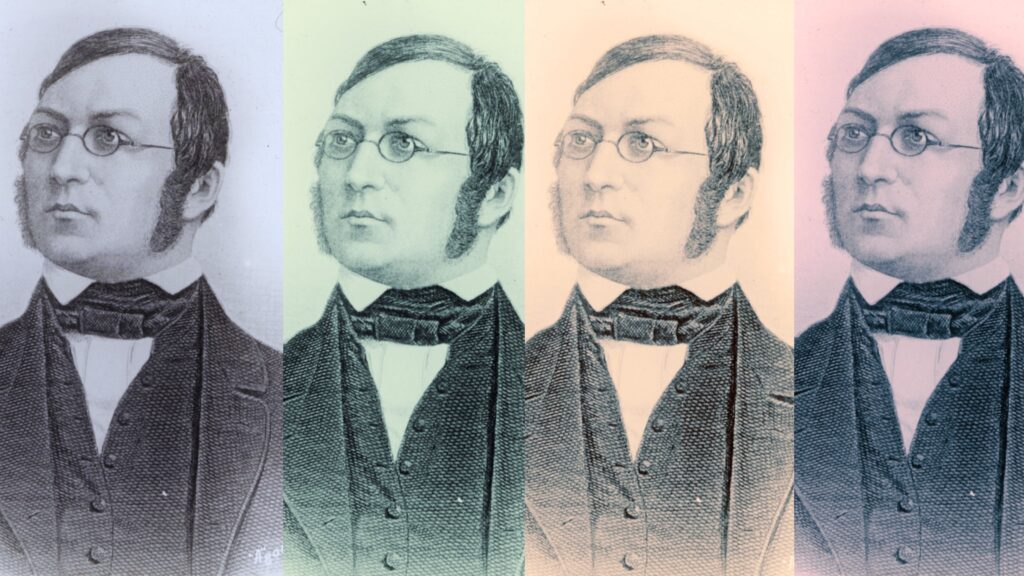
The European Wergeland Centre is named after the Norwegian poet, public educator and civil activist Henrik Wergeland.
Henrik Wergeland (1808–1845), a child of the European Enlightenment, lived during a transformative era after the dissolution of the union between Denmark and Norway. Through his writing, he championed religious tolerance, knowledge as a path to freedom, and equality across nations and classes – driven by deep compassion for humanity.
Due to a staunch belief in human potential, Wergeland considered the drive to learn and serve others as the soul’s highest calling. His life and writing became a passionate fight against injustice, making him one of Norway’s most powerful voices for the oppressed.
How do we work?
Wergeland projects involve a wide range of stakeholders with activities ranging from training courses to participation in expert groups on policy development.
Through our work we focus on four key areas: Democratic values and participation, Inclusion, diversity and equality, Citizens and digital technology, and Sustainability, environment and engagement.
A key feature of the Centre’s mission is to improve the capacity of education institutions across Europe to promote democracy and human rights through the Whole School Approach.
Wergeland activities and services are free and open to all 46 member states of the Council of Europe.



Staff
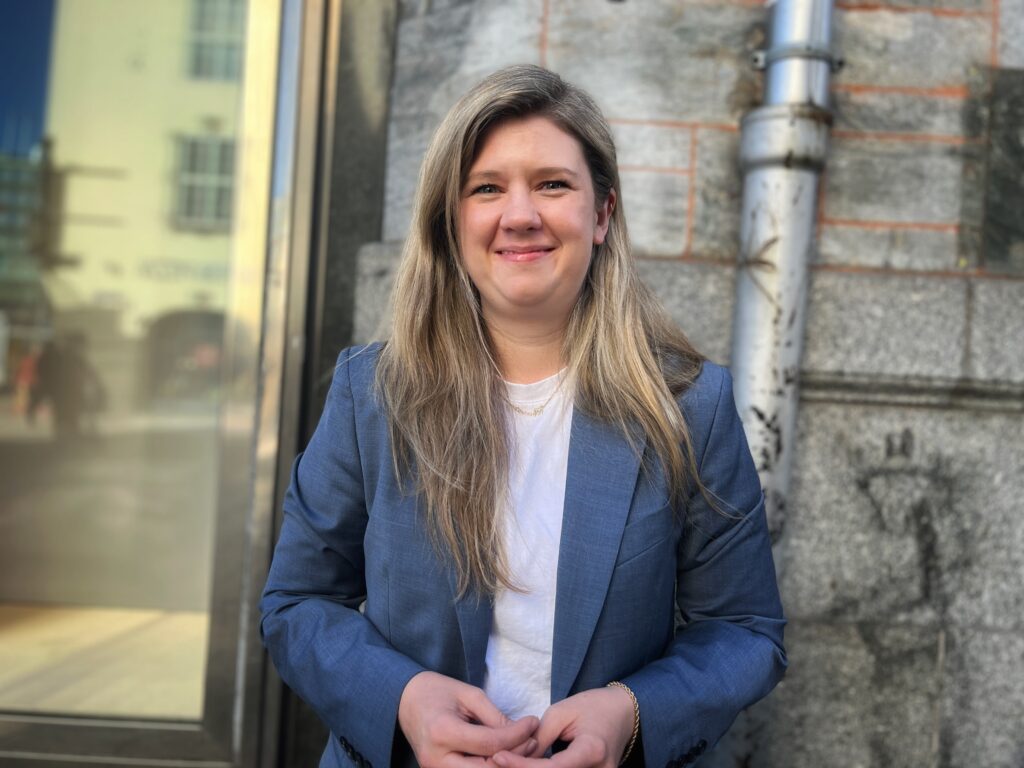
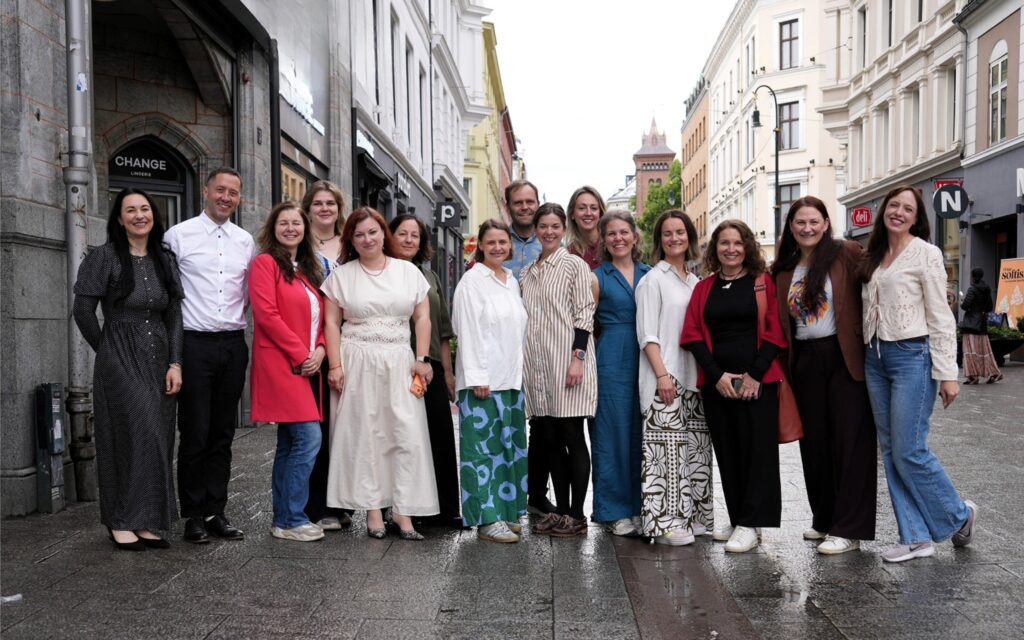
The European Wergeland Centre is based in Oslo, Norway, with field staff Greece and Ukraine. Our Executive Director is Eva Kløve.
Governing Board
The European Wergeland Centre is governed by a Board with members nominated by the Council of Europe and Norway. The Board is appointed by the Norwegian Ministry of Education and Research.