Democratic values and participation
Critical thinking, tolerance of ambiguity, problem-solving skills and civic mindedness are all needed in order for young people to navigate, adapt and cope even during times of crisis while actively shaping their societies. Yet, many education systems still focus on knowledge-based rather than competence-based education.

Europe is witnessing a democratic backslide with a rise in populism, nationalism, and political polarisation. Increased divisions and fragmentation have brought about tensions and challenges to social cohesion.
There is a need to strengthen democratic governance in kindergartens, schools and local communities, supporting democratic learning environments, and democratic teaching and learning practices.
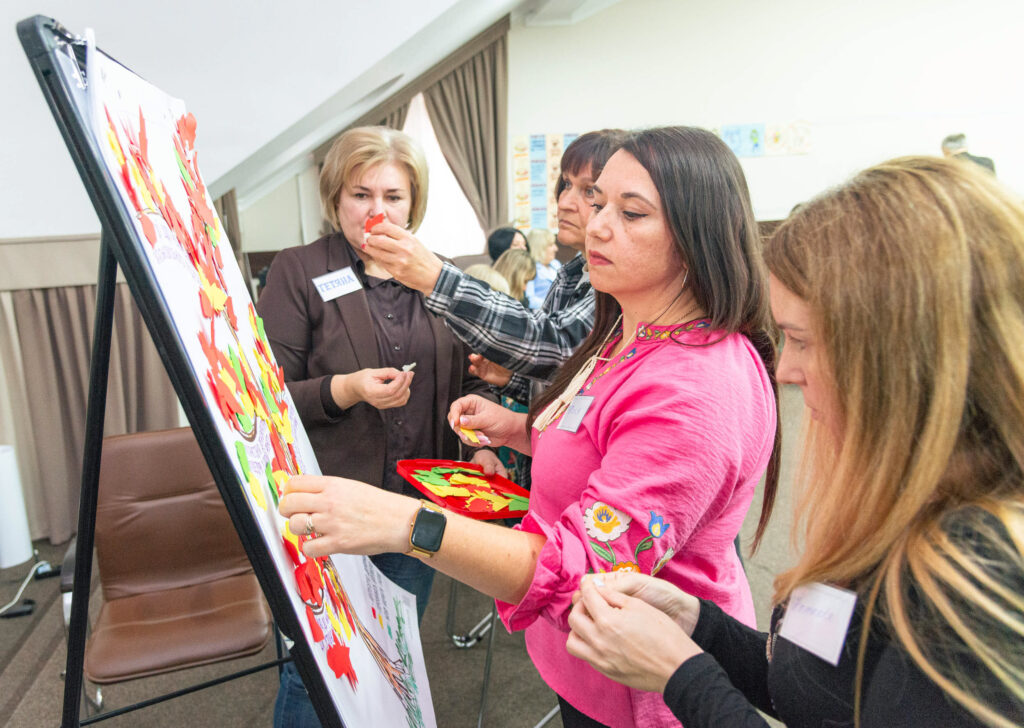
Through our work, our goal is children and young people learn the values, skills, attitudes and knowledge, as well as the critical understanding to participate in, act as members of and contribute to their schools and local communities. To achieve this, teachers and other educators must have the competences to teach democratic values and promote participation, and be empowered to make changes in their work.
We aim to support schools and kindergartens in embedding democratic and inclusive practices, empower teacher education institutions to prepare future educators for democratic citizenship education, and encourage policymakers to make education for democracy a priority in both policy and practice.