
Inclusion, diversity and equality
For all children and young people education institutions are important arenas to learn and practice the principles of democracy and human rights such as inclusiveness, equality and respect.
The importance of and respect for human rights is increasingly under threat in Europe. There is a need to strengthen the capacity of schools, teacher education institutions, civil society organisations and cultural institutions to promote inclusion of all children and young people, particularly those from disadvantaged groups.
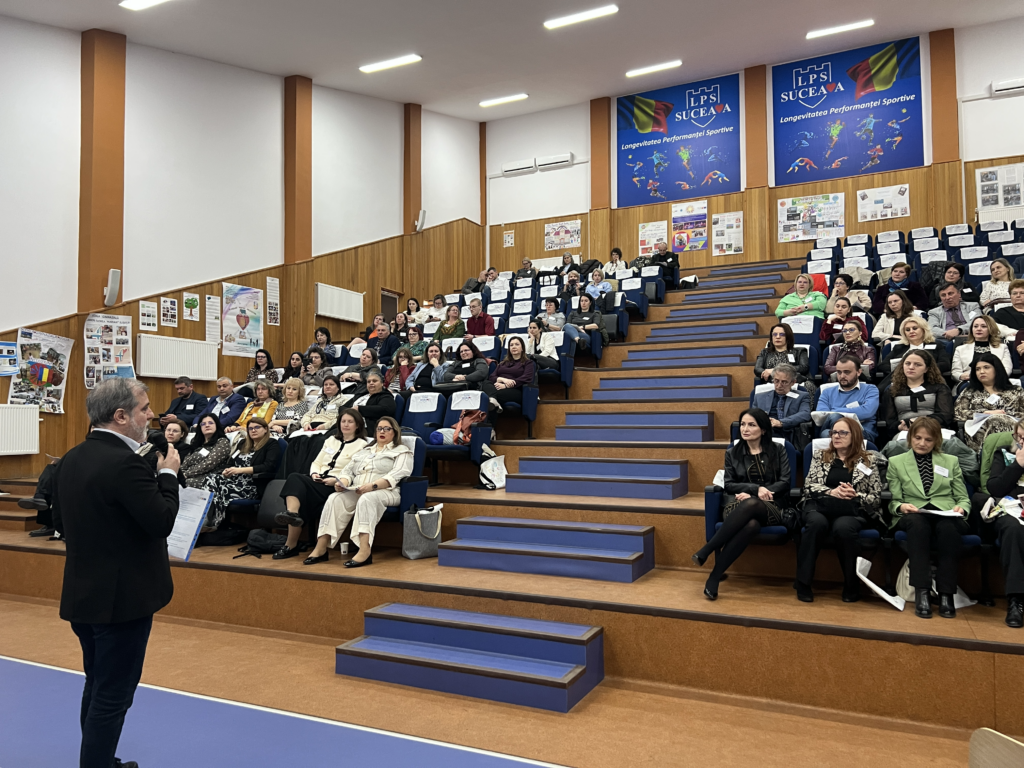
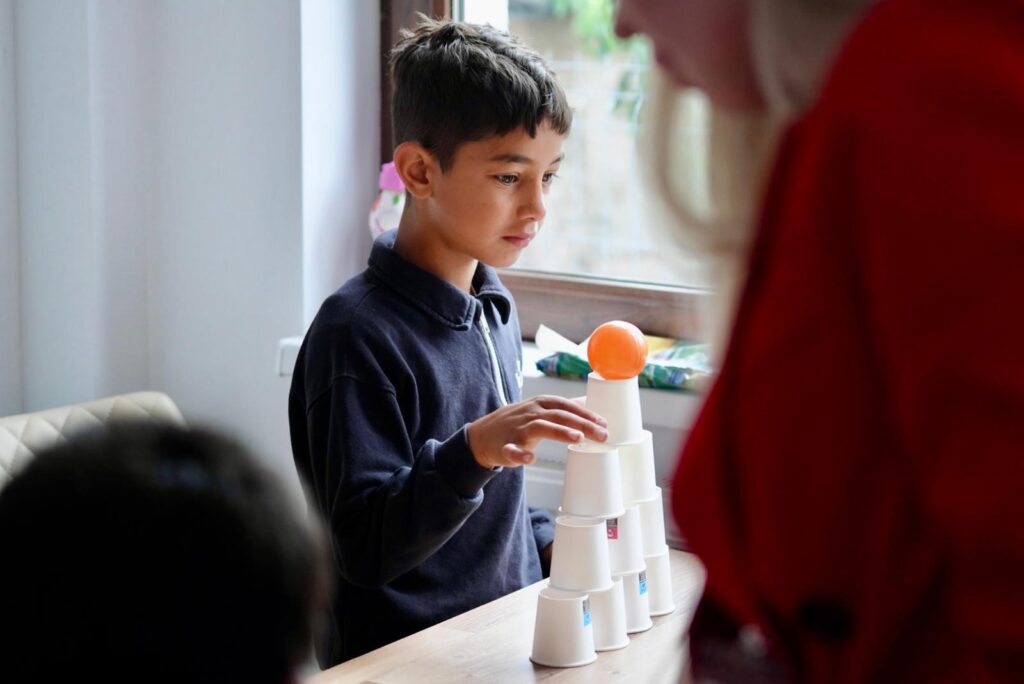
Through our work, our goal is to make schools and kindergartens able to create inclusive learning environments, and help teachers acquire the values, skills, attitudes and knowledge, and critical understanding needed to deal positively with diversity in the classroom, and build safe and inclusive learning environments.
We strive to ensure that teacher education institutions make inclusion, diversity and equality central to their teaching; that local authorities create enabling environments for inclusion in their communities; and that policymakers, teachers and other educators cooperate across countries to exchange experiences and strengthen inclusive practices.
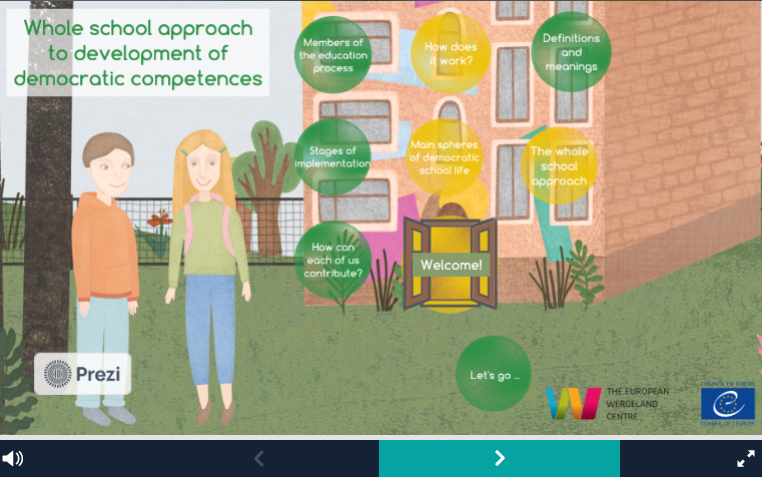
In order to provide quality education and safe school environments for all students, home school cooperation is key. Alliances between schools, parents and the local community help to provide equal learning opportunities for all students. The European Wergeland Centre often employs the Whole School Approach in our projects.
Impact stories
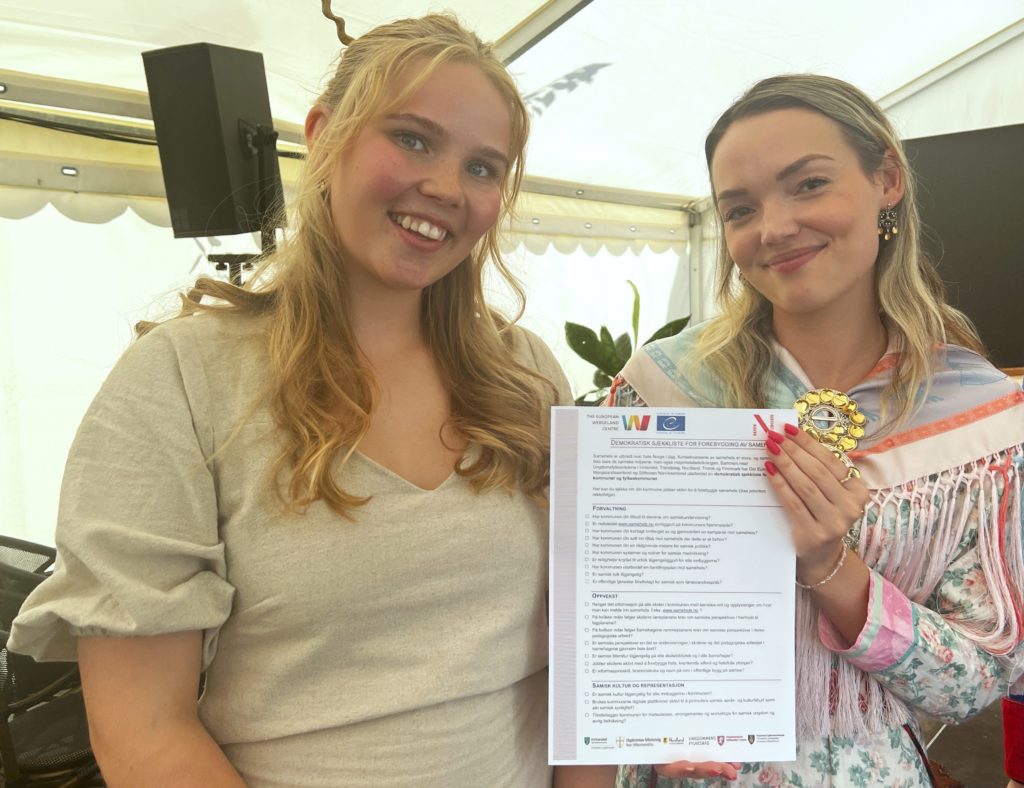
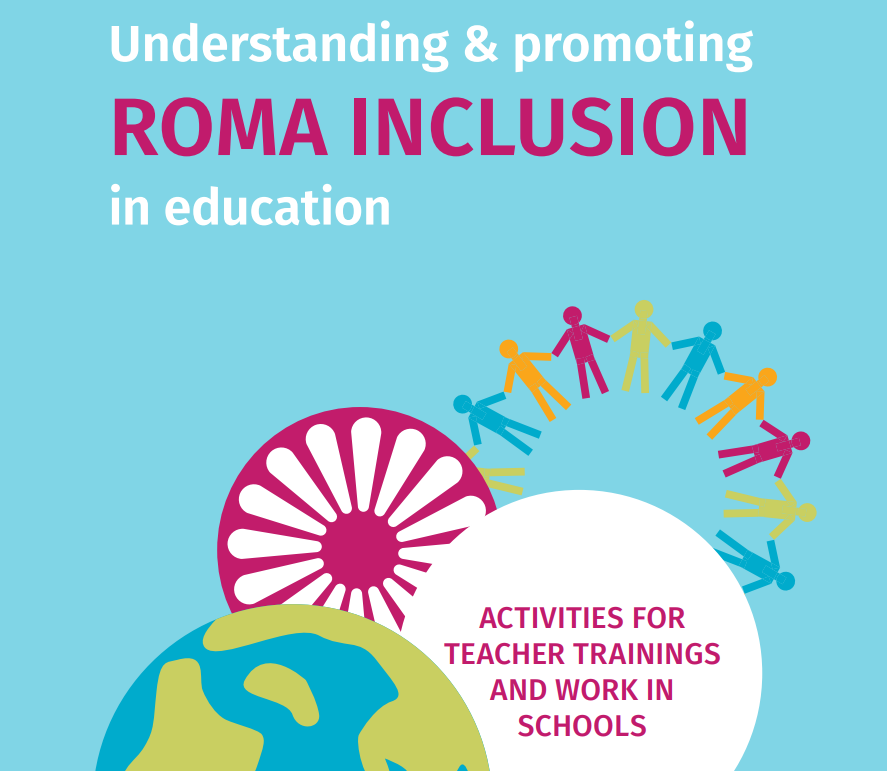
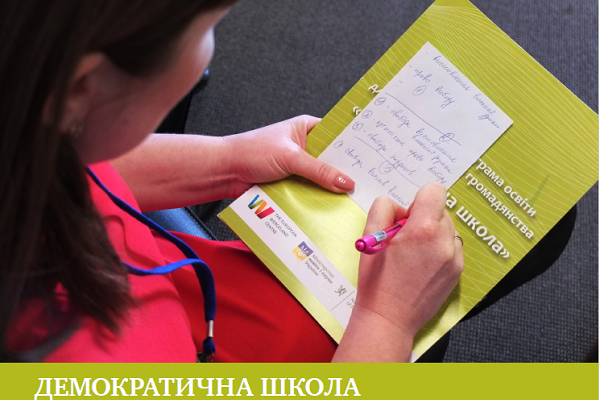
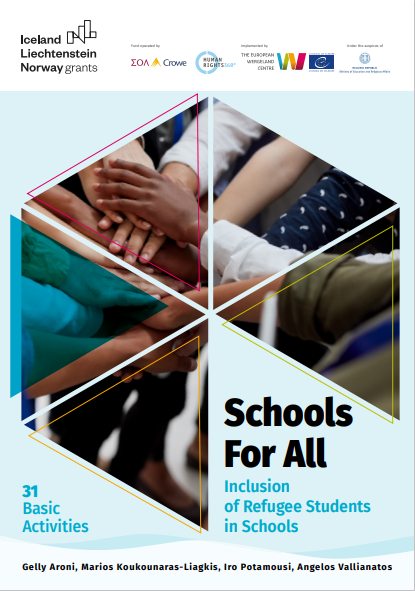
Selected resources
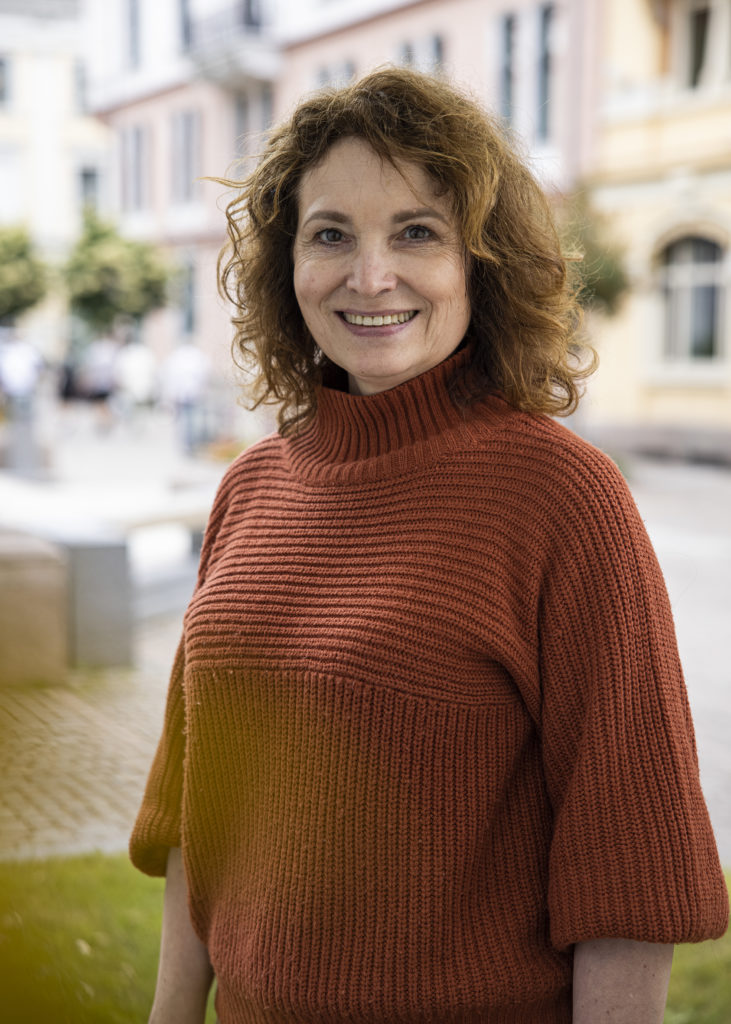
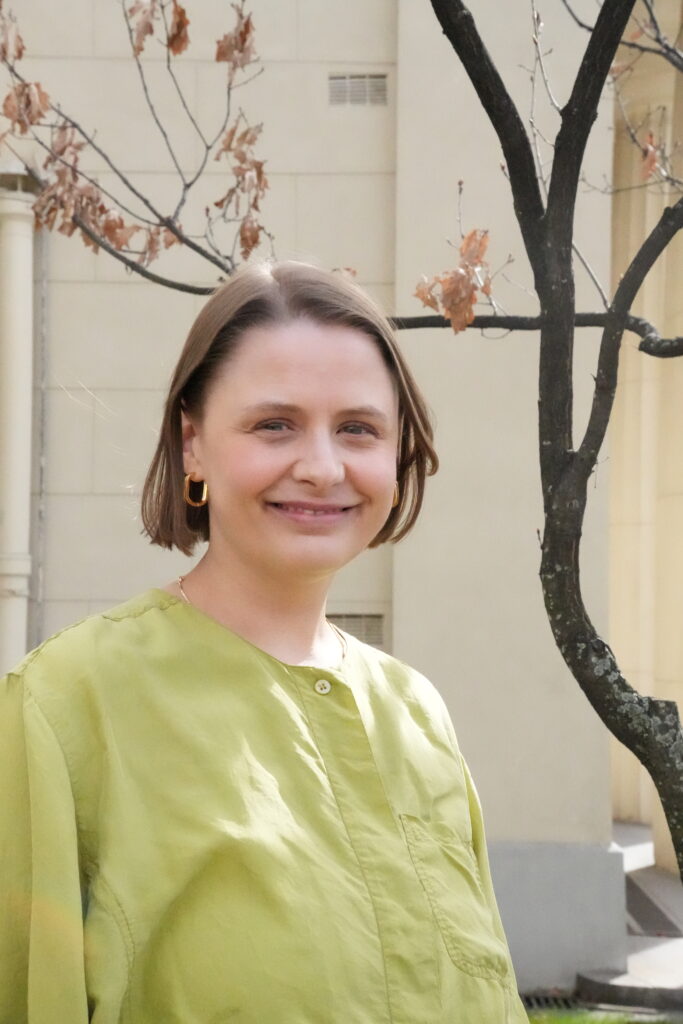
Experts
Read about the Centre’s other key priorities
-
Democratic Values and Participation
-
Citizens and Digital Technology
-
Sustainability, Environment and Engagement