Museums
Working with controversial issues means turning sensitive societal topics into opportunities for democratic learning. Grounded in Education for Democratic Citizenship and Human Rights (EDC/HRE) and trauma-sensitive pedagogy, this approach equips educators, museum pedagogues, and tour guides to create safe spaces for multi-perspective dialogue and complex histories. Expanding beyond trauma-informed practice, cultural heritage institutions internationally engage with critical areas such as environmental justice and climate literacy, social justice, decolonization, anti-racism, critical media literacy, countering disinformation, peaceful conflict resolution, and participatory youth democracy.
Inspired by the European Wergeland Centre’s international work with cultural heritage institutions, we are proud to launch The International Democratic Museum Practice Archive. This open-access repository invites museums, memorial sites, and educators across Europe to contribute, review, and discover field-tested democratic practices, fostering a living, community-driven database that ensures long-term sustainability and cross-border pedagogical collaboration.
Here, you will find research studies, interactive activities, webinars, and expert articles exploring how museums can foster active participation, defend democratic values, and serve as dynamic sites of citizenship internationally.
INTERNATIONAL DEMOCRATIC MUSEUM PRACTICE ARCHIVE
Digital Resource Hub for Museums, Schools & Civil Society
Working with controversial issues means turning sensitive societal topics into opportunities for democratic learning (Council of Europe). Grounded in Education for Democratic Citizenship and Human Rights (EDC/HRE) and trauma-sensitive pedagogy (The European Wergeland Centre), this approach equips educators, museum pedagogues, and tour guides to create safe spaces for multi-perspective dialogue and complex histories. Building on these principles, our interactive educational activities below offer field-tested facilitation guides for classrooms, museums, and memorial sites to address difficult pasts safely and constructively.
This International Democratic Museum Practice Archive is an open-access repository that invites museums, memorial sites, and educators across Europe to contribute, review, and discover field-tested democratic practices, fostering a living, community-driven database that ensures long-term sustainability and cross-border pedagogical collaboration.
- Step 1: Submission: External institutions submit their educational activities, lesson plans, or methodologies to EWC in their original language at post@wergelandcentre.org with the subject MUSEUM PRACTICE ARCHIVE_REQUEST OF [INSTITUTION NAME]_[TITLE OF ACTIVITY]
- Step 2: Expert Review: EWC’s international team evaluates all submissions for pedagogical quality, multi-perspectivity, human rights principles, and trauma sensitivity.
- Step 3: Public Deposit: Approved activities are publicly deposited in the archive under the submitting institution’s name, providing international visibility and open access across Europe. The activity will not be translated to any other languages.
Looking forward to your submissions!
Follow the steps above if you would like for your educational activities included in our International Democratic Museum Practice Archive!
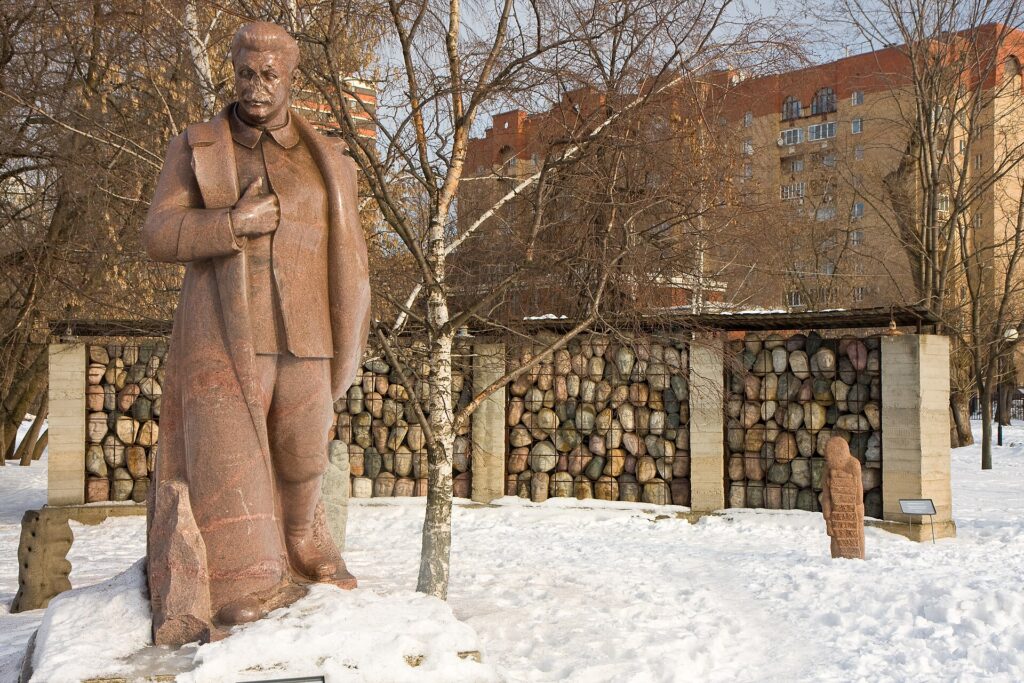
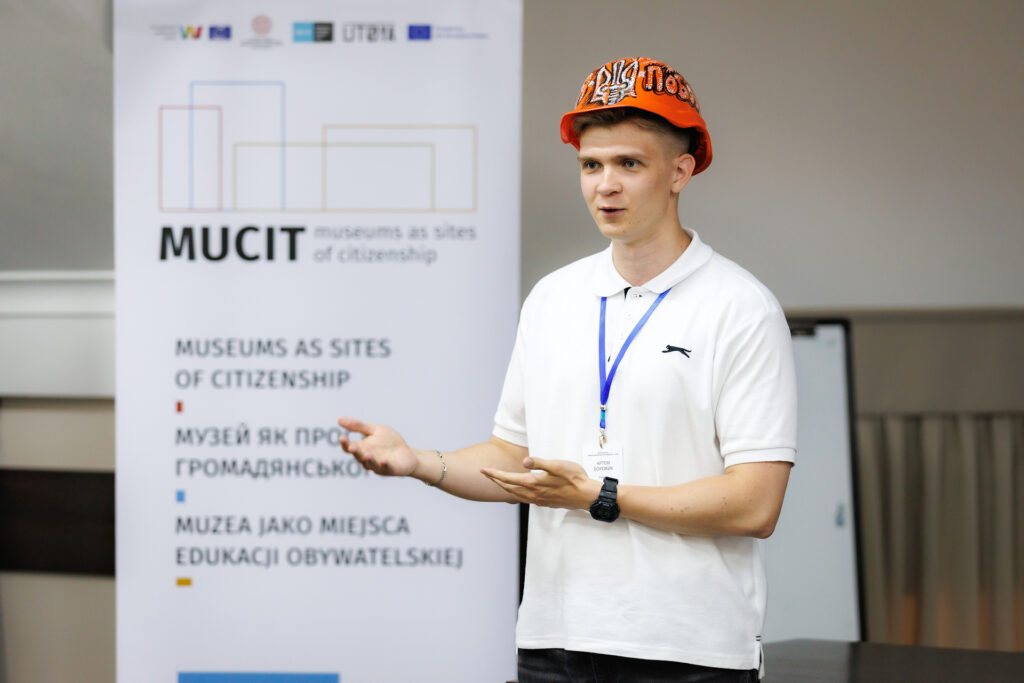
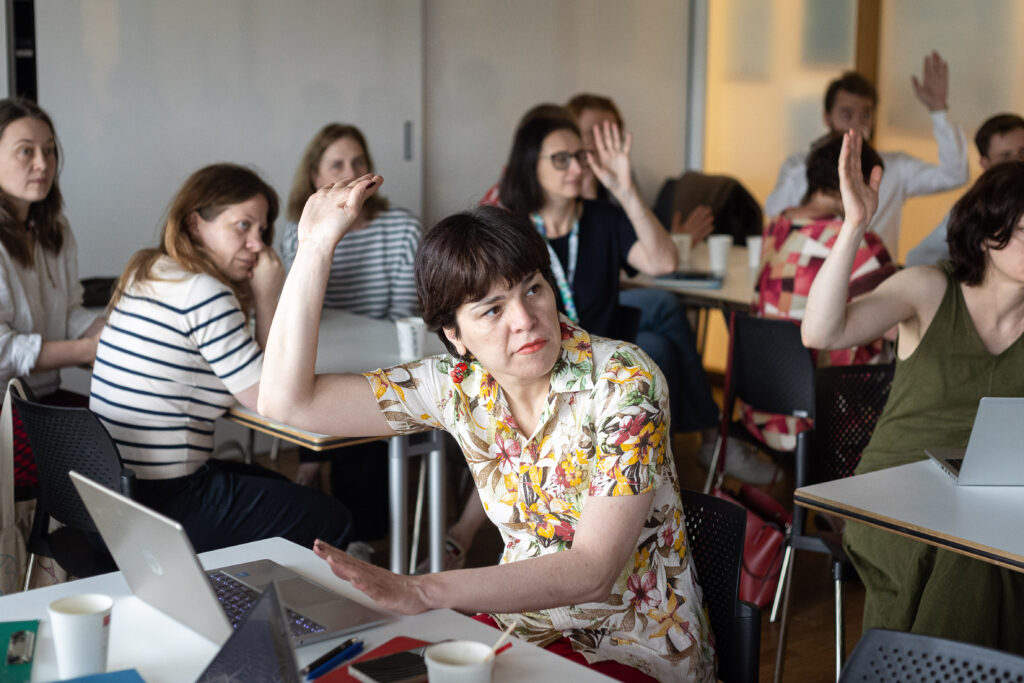
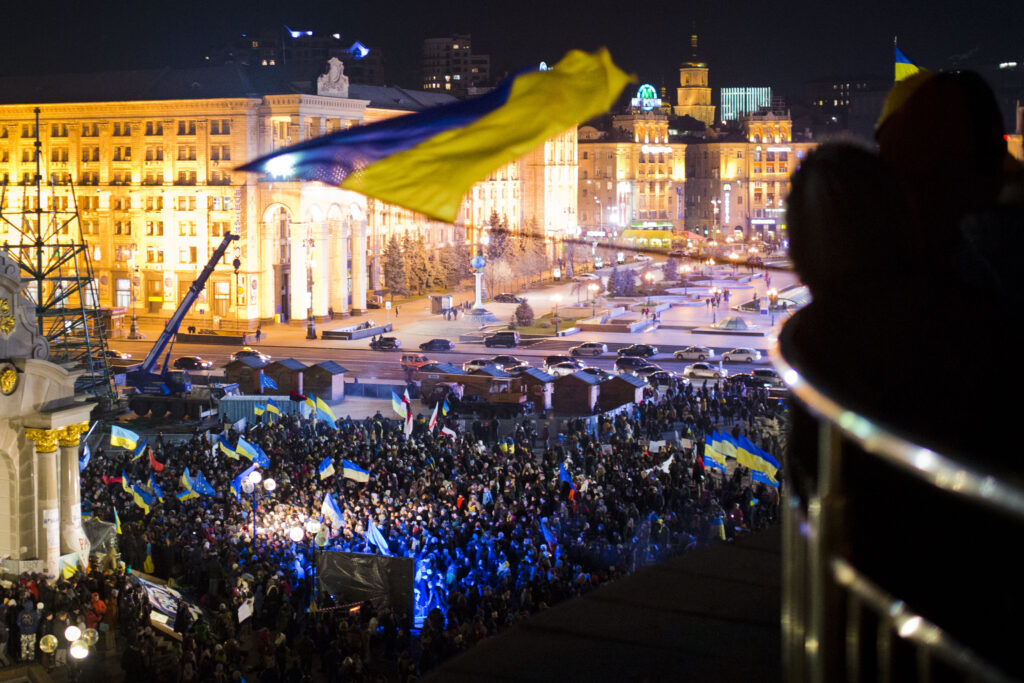
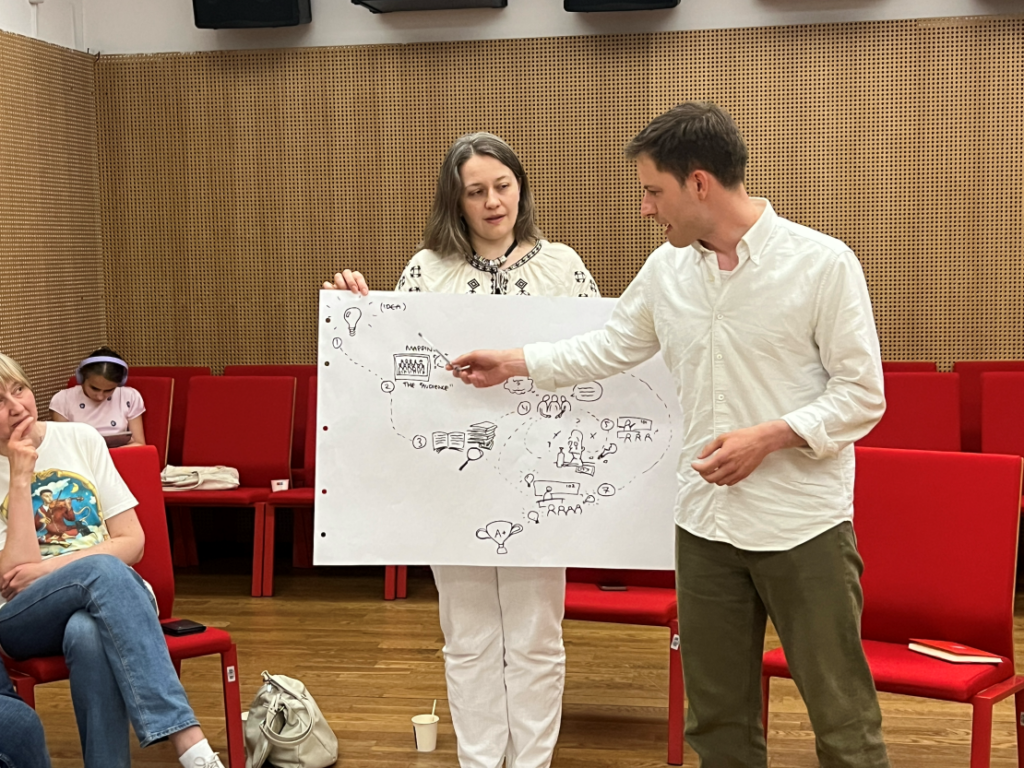
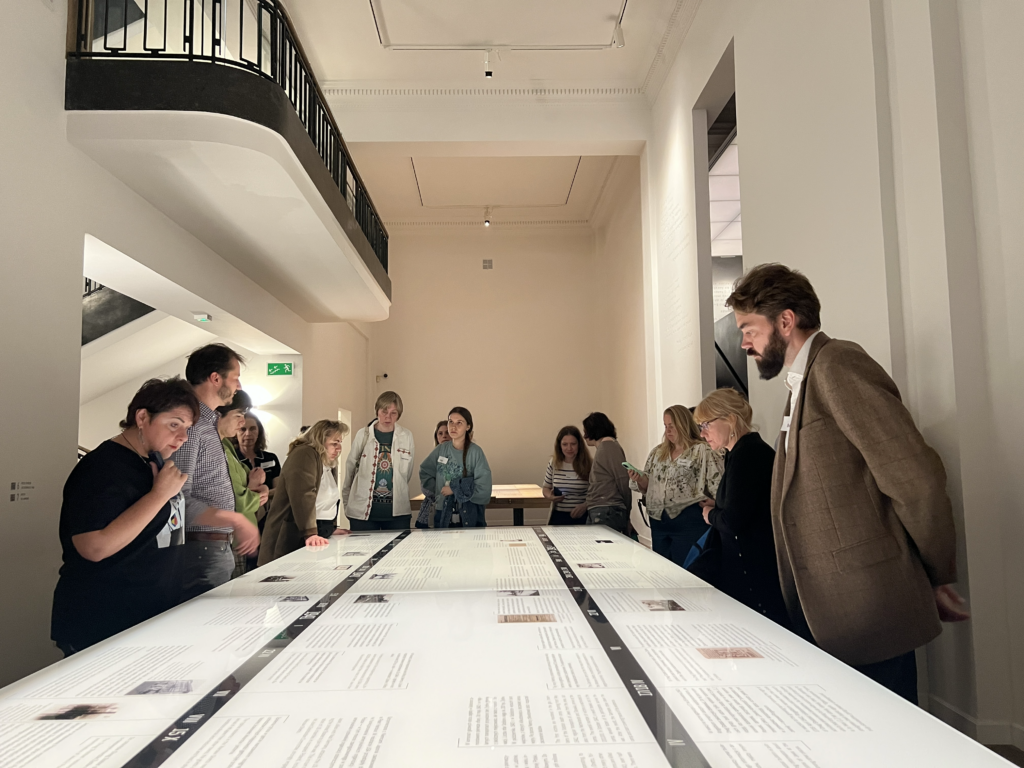
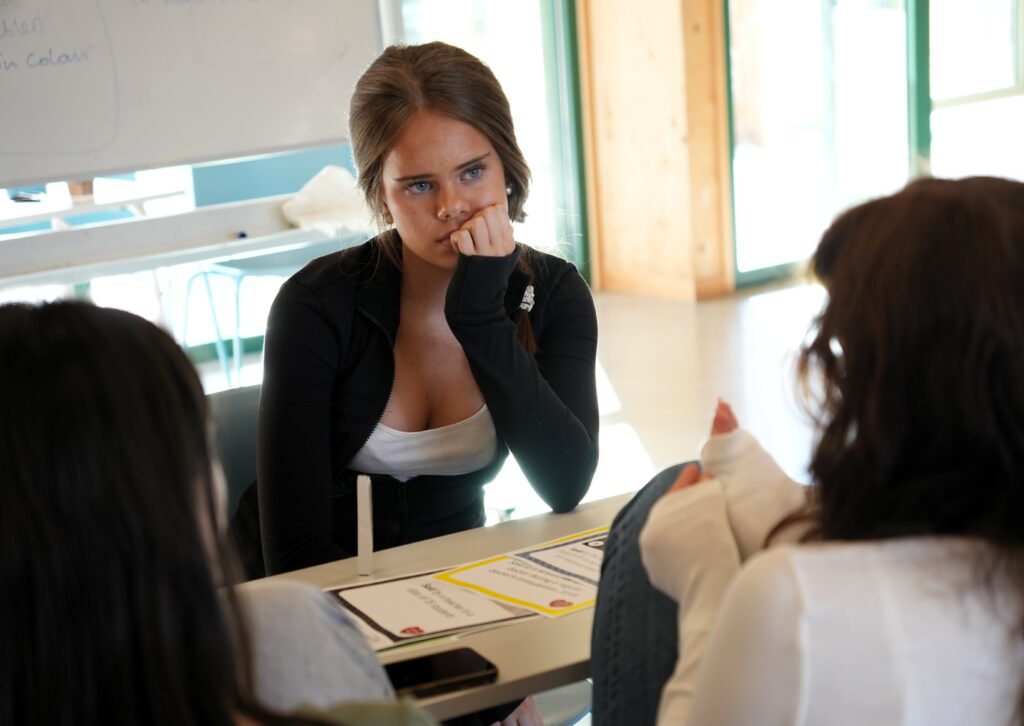
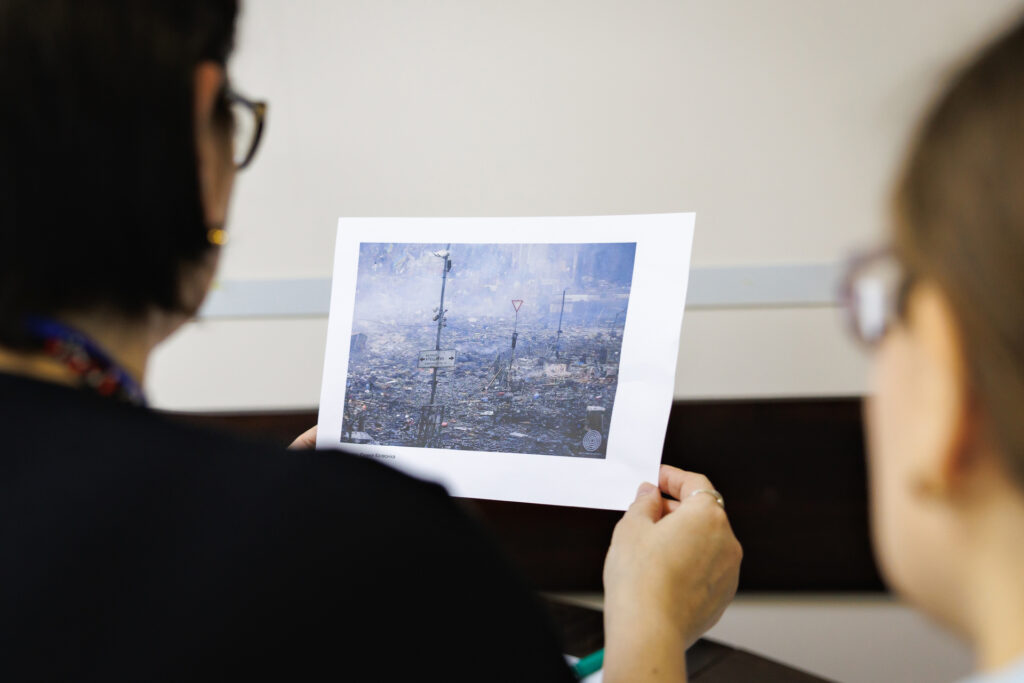
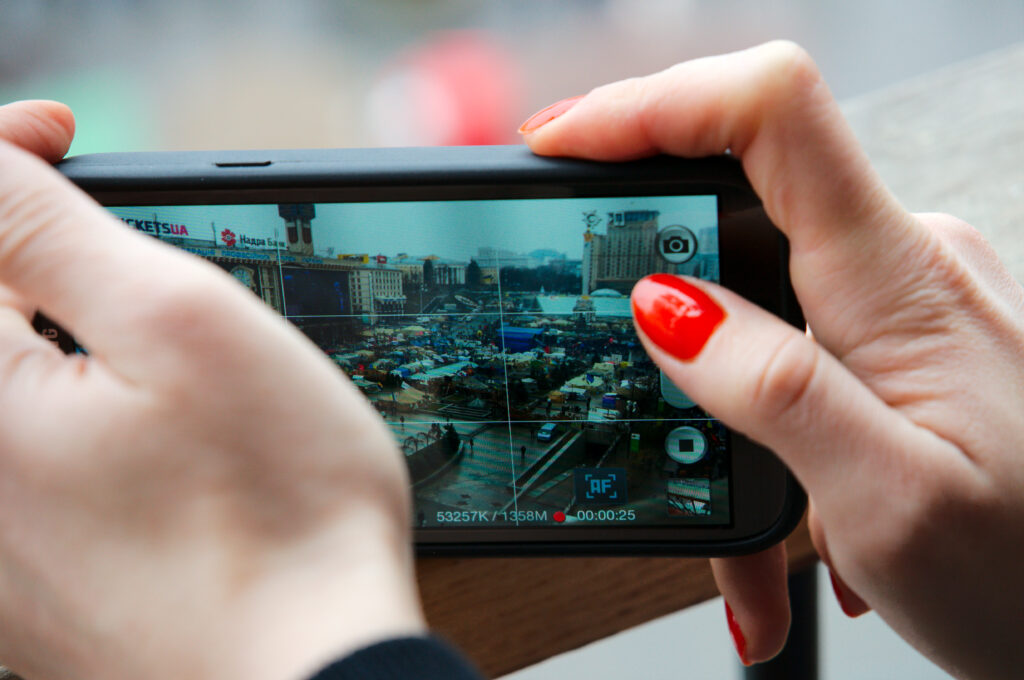
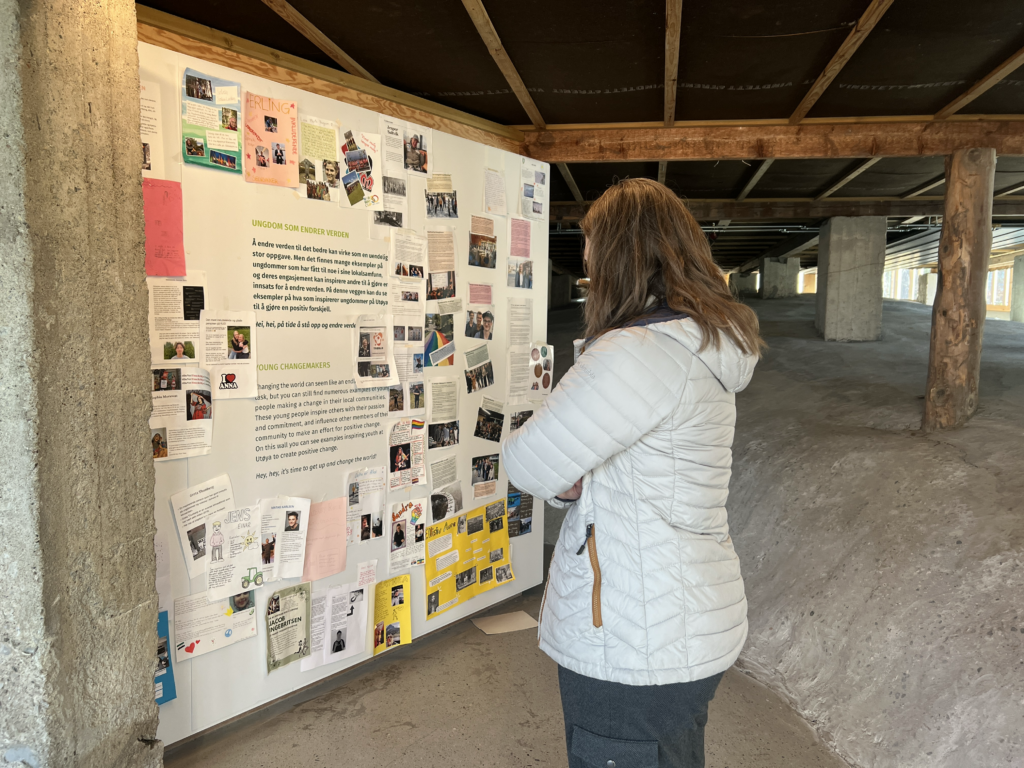
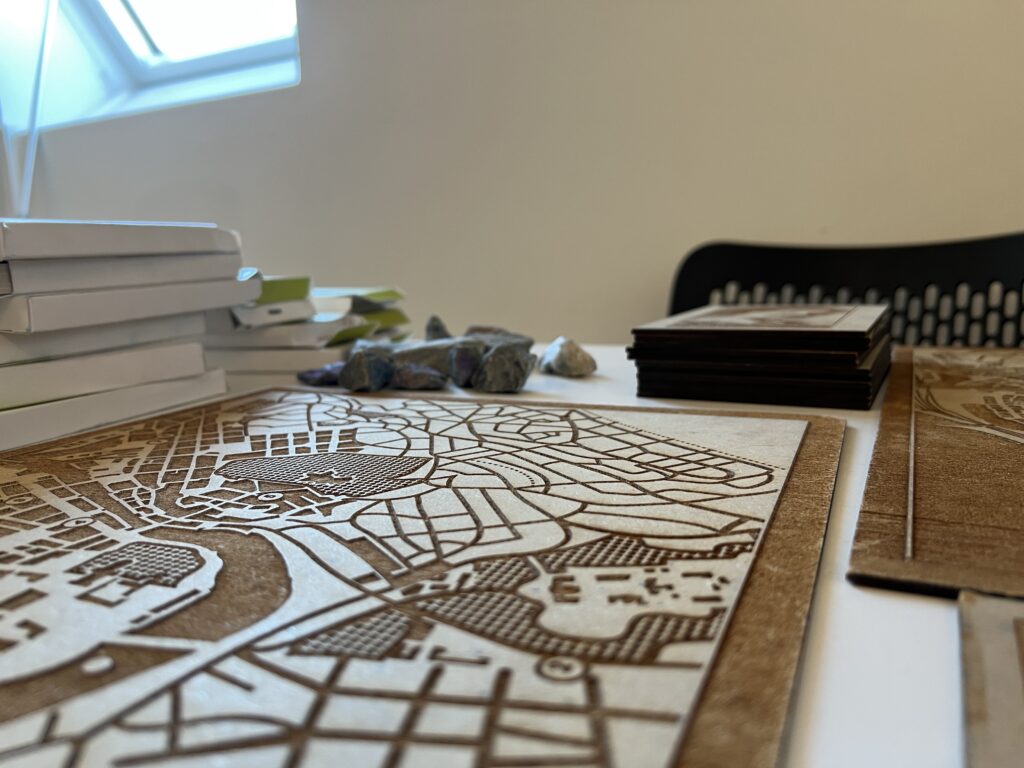
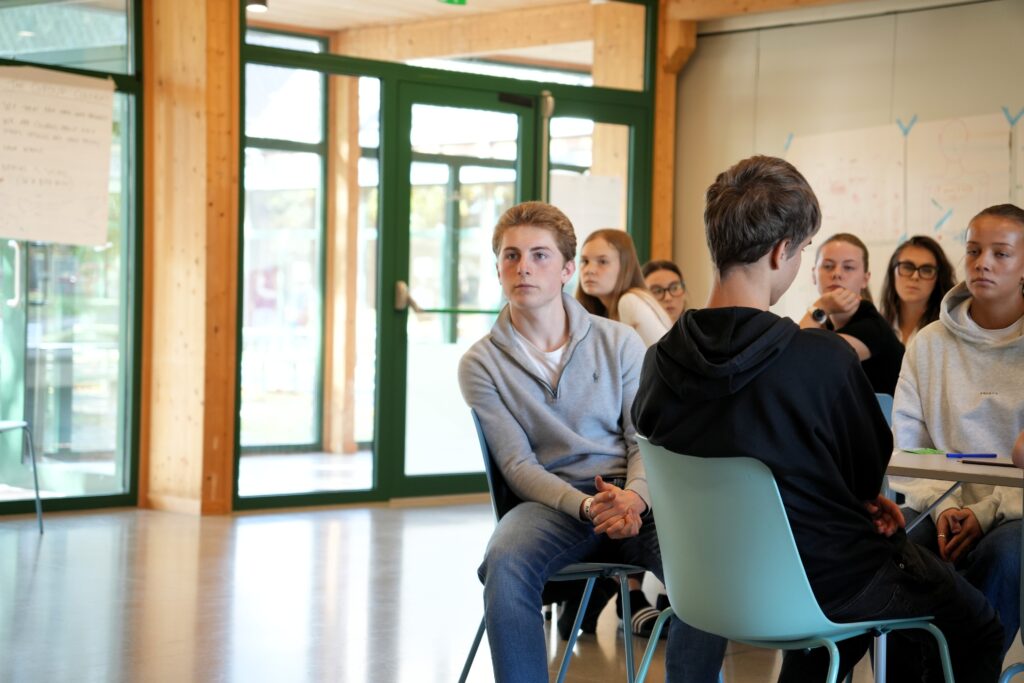
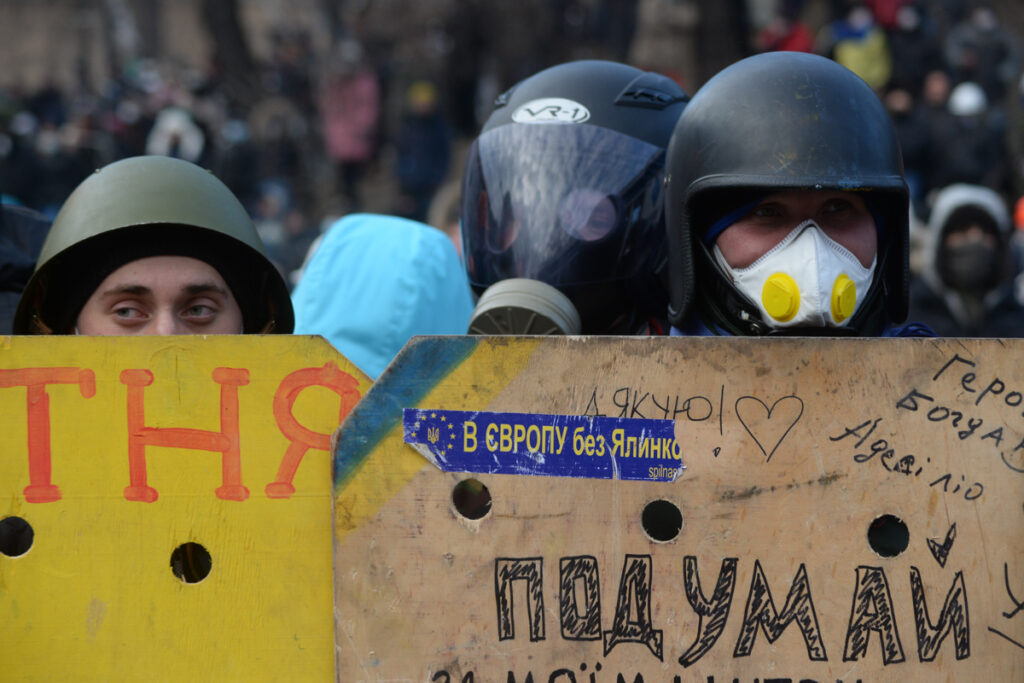
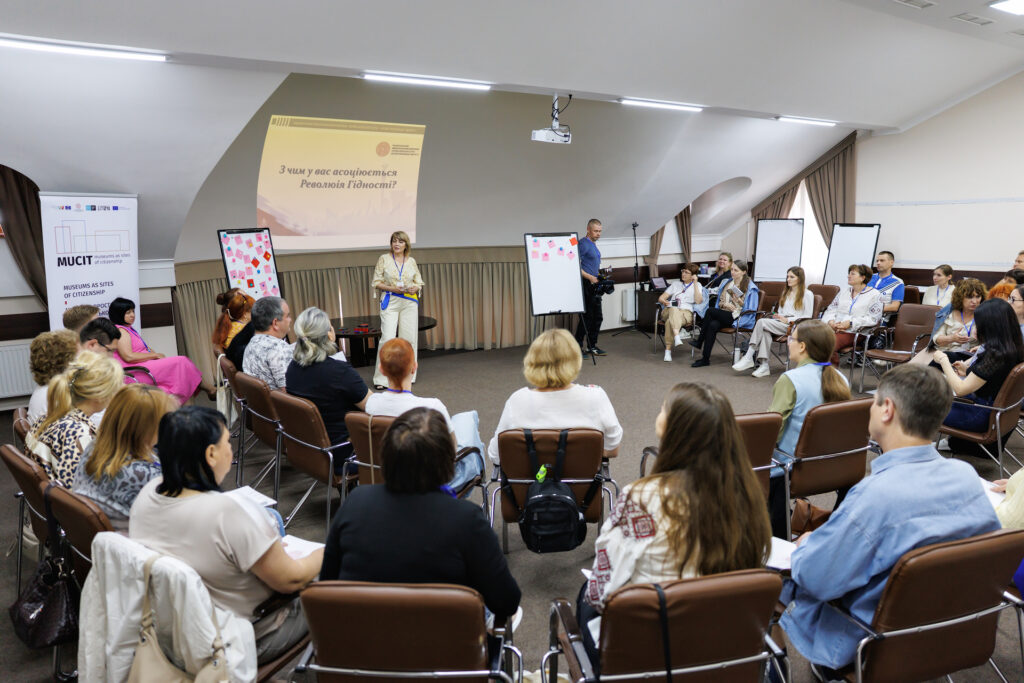
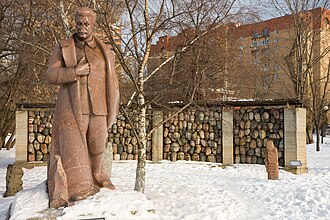
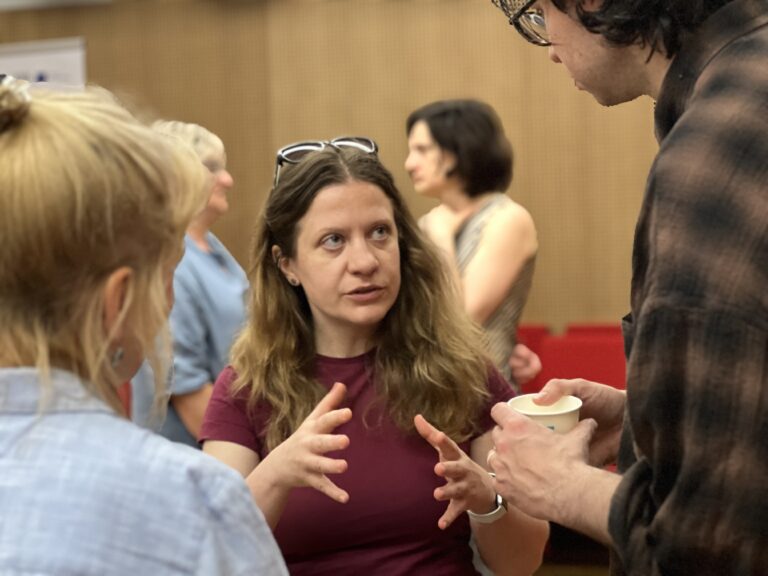
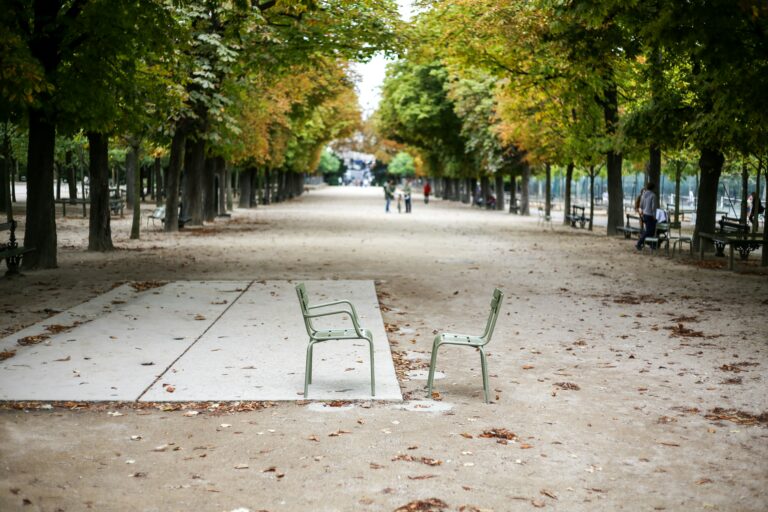
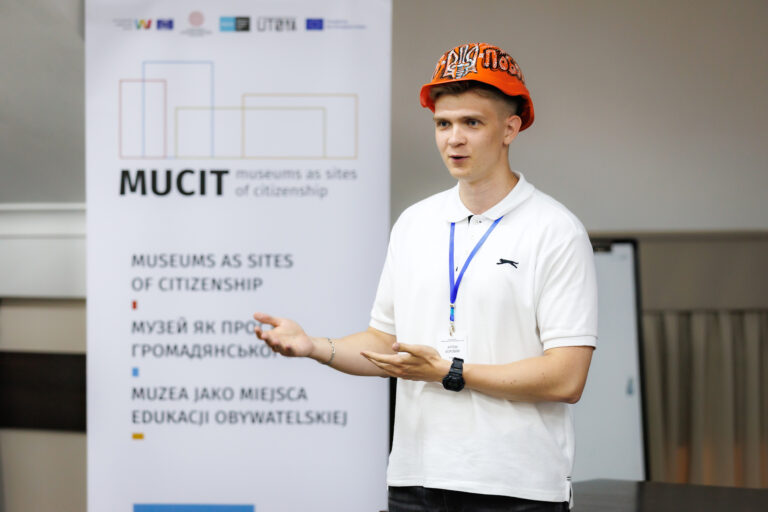
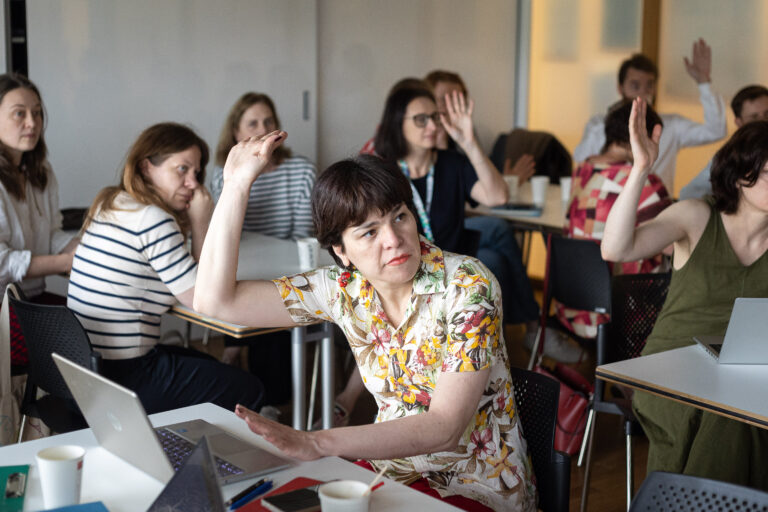
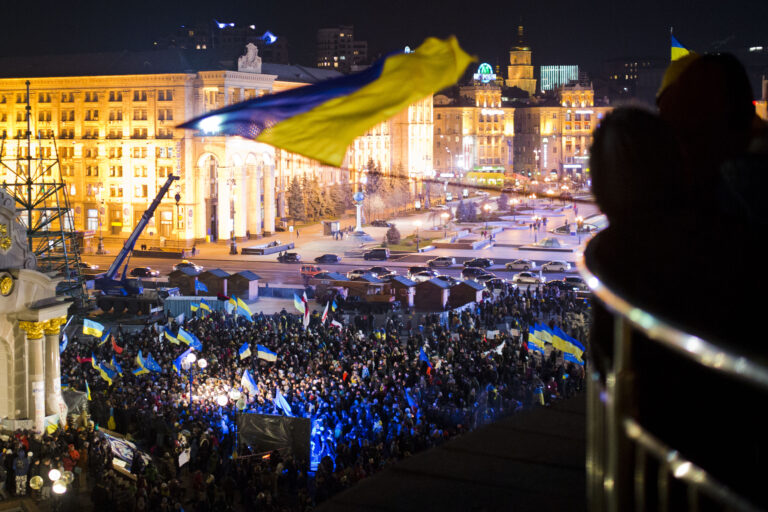
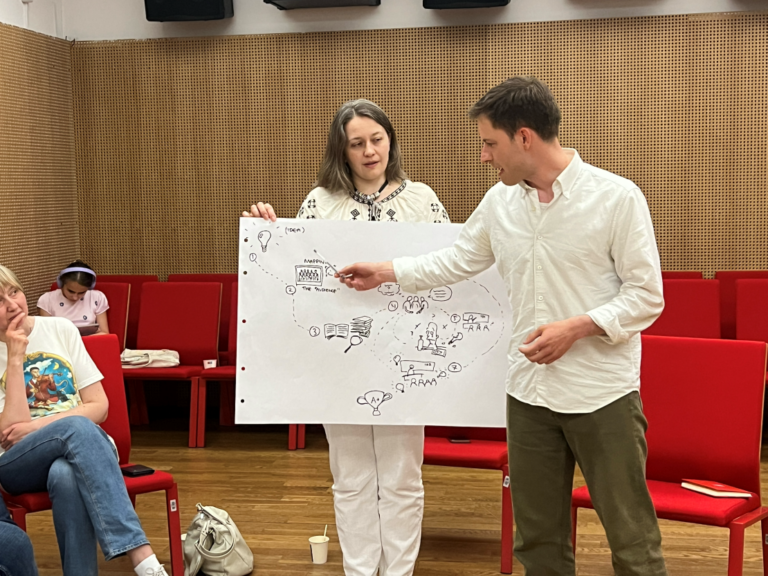
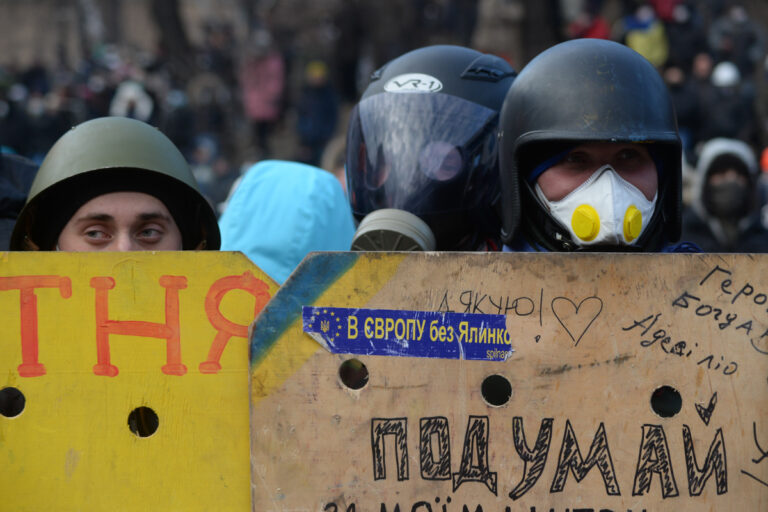
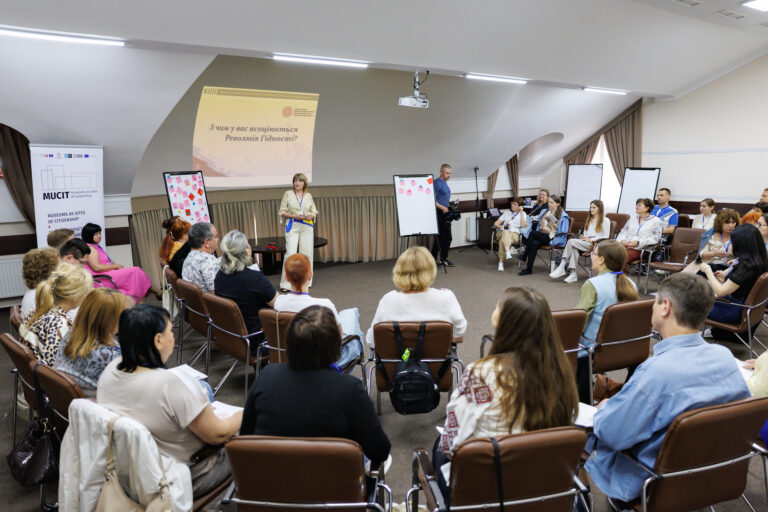
A museum is another big and important sphere for non-formal education. It is a way to reach out to young people and educators to make this world a better place.
Khrystyna Chushak, Wergeland Expert