Celebrating Ten Years of “Schools for Democracy: Strengthening Democratic Resilience through Education”
For more than a decade, Schools for Democracy has helped strengthen democratic education in Ukraine – and more recently in Moldova. At a conference in Chișinău, educators, partners, and policymakers gathered to celebrate ten years of achievements, reflect on extraordinary challenges, and reaffirm the vital role of schools in building democratic resilience.
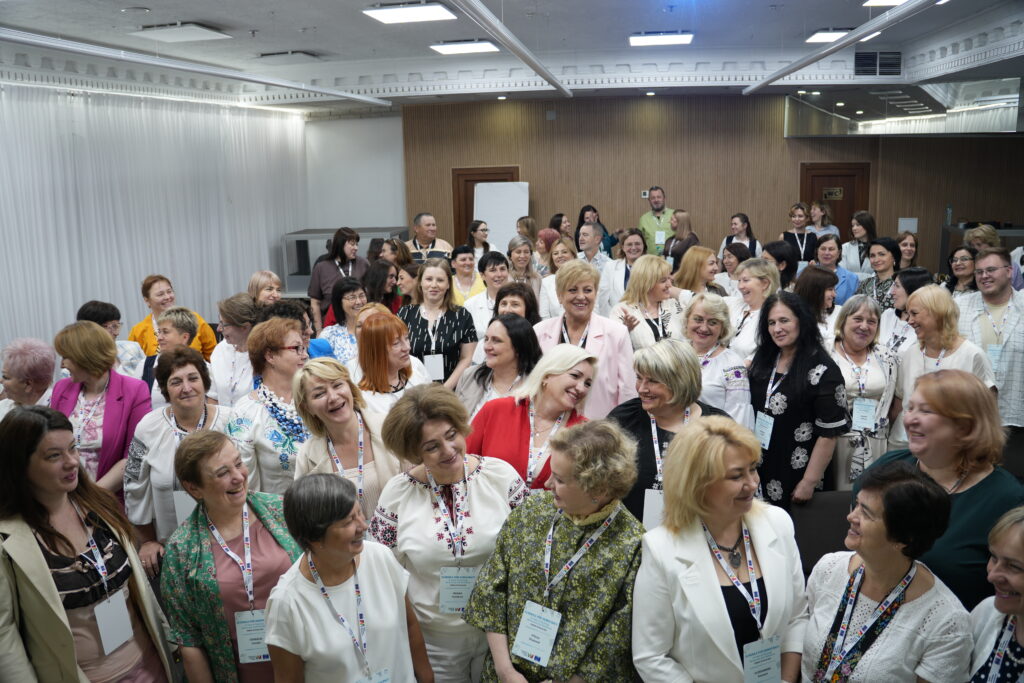
18-19 June, The European Wergeland Centre gathered partners and participants of one of its flag ship programmes, “Schools for Democracy: Strengthening Democratic Resilience through Education” to celebrate ten years of working for democracy in Ukraine – and more recently, Moldova.
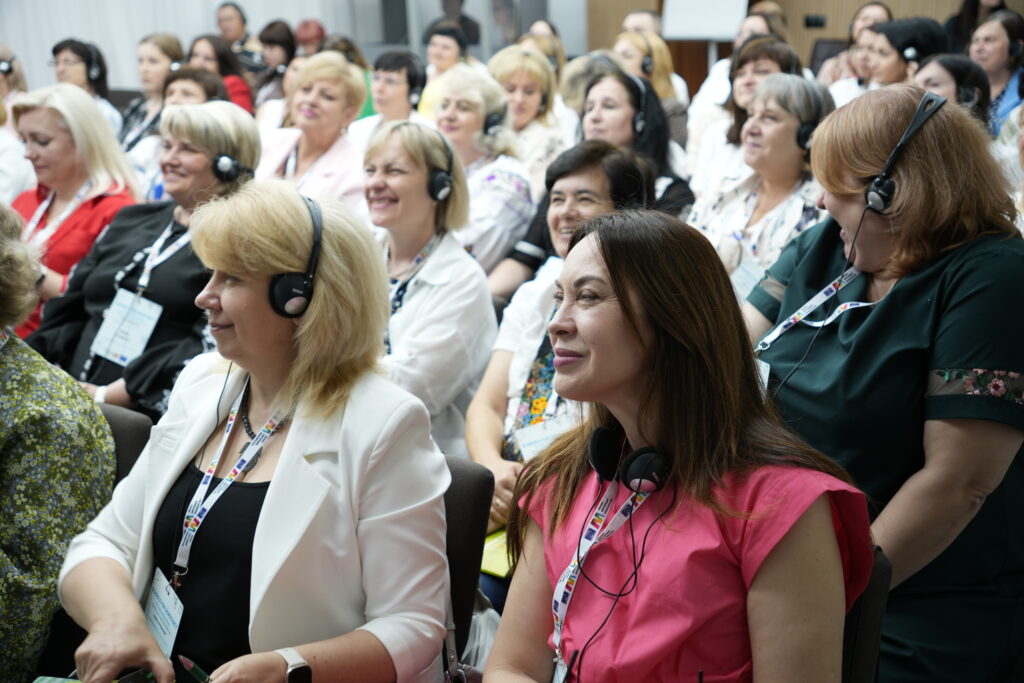
Around 80 participants from both countries attended the conference in the heart of the Moldovan capital.
Schools for Democracy is one of the Wergeland Centre’s largest and longest-running programmes. Funded by the Norwegian Agency for Development Cooperation (NORAD) through the Nansen Support Programme for Ukraine, it is implemented in cooperation with the Ministry of Education and Science of Ukraine and the Ministry of Education and Research of Moldova.
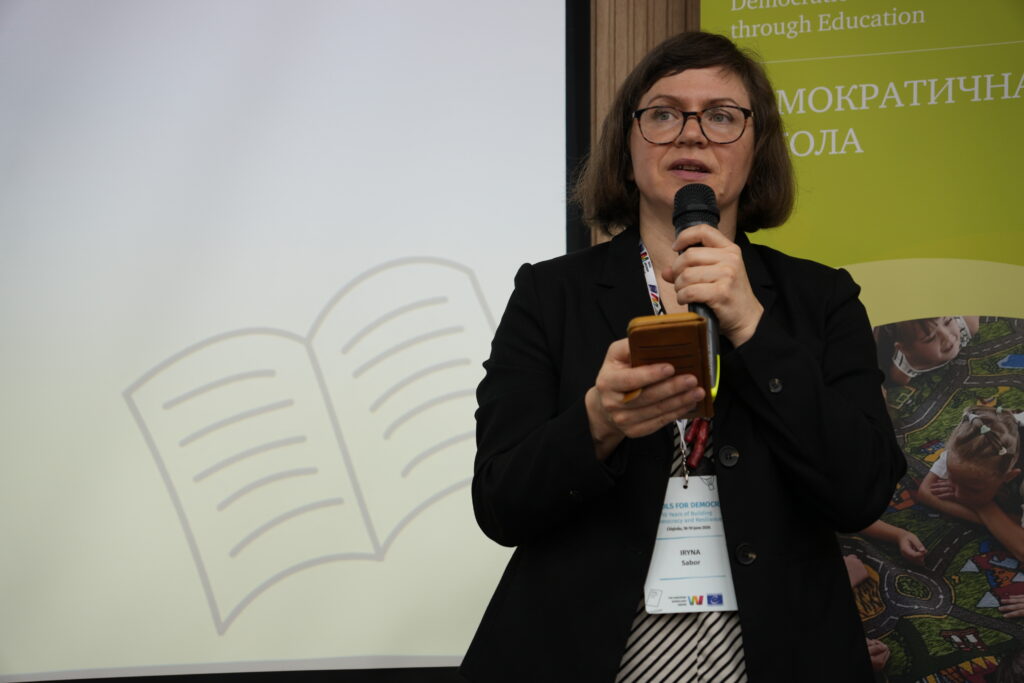
Participants were welcomed by Iryna Sabor, Head of the Early Childhood and School Section at the Wergeland Centre, who has led the programme since its inception.
“Looking back, we see a long path launching democratic education reforms in Ukraine which we have had the honour to be part of together with you,”Iryna said. “We started our programme right after the Maidan Revolution, and we are grateful to have accompanied educators and institutions on a remarkable journey of educational transformation.”
Read also: The Quiet Transformation Inside Ukraine’s Schools
The “Schools for Democracy” programme began with a handful of youth-focused projects in Kyiv and Crimea before expanding significantly following the launch of Ukraine’s New Ukrainian School reform in 2016. EWC contributed to the reform process by providing expertise and helping align new education policies with the Council of Europe’s Reference Framework of Competences for Democratic Culture.
So far, over 170 000 teachers have received training through the programme. 400 schools and kindergartens have taken part in the project, and more than 15 online courses have been developed to equip educators with more democratic and inclusive teaching skills. Despite Russia’s full-scale invasion, the work has continued.
Read also: “It Completely Changed my Worldview”
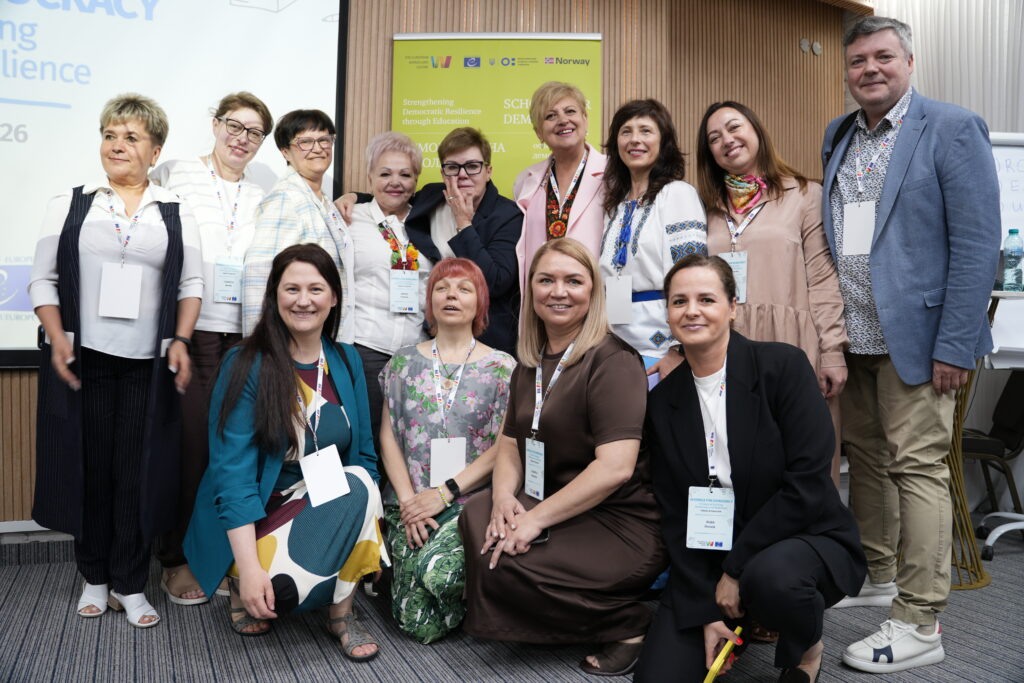
“Democratic resilience has become a widely used term across Europe, yet few understand its meaning better than the educators gathered in this room,” Iryna continued.
“Moldova has strengthened civic education and demonstrated resilience in the face of disinformation. Ukrainian teachers continue educating children under extraordinary circumstances while education reforms move forward and young people remain actively engaged in their communities.”
Marzena Rafalska, one of the programme’s founding experts, delivered the keynote address.
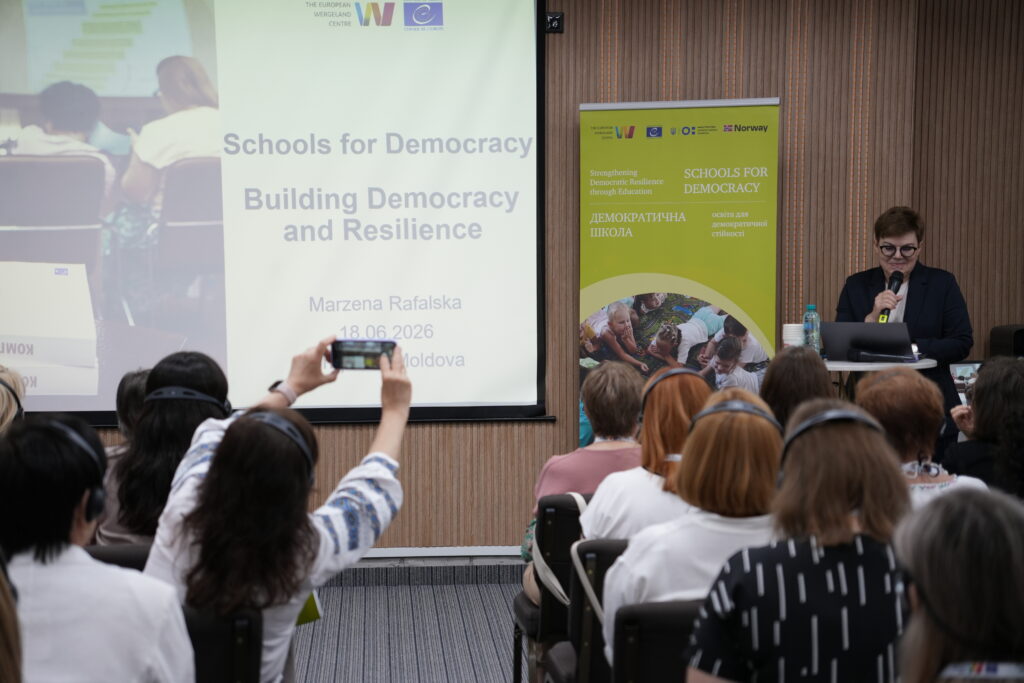
“I have worked on this project from the beginning. It takes some time – over ten years – to see the results of our work. “Schools for Democracy” will always be an example for other such projects.”
She highlighted the essential role schools play in preparing young people for democratic citizenship, arguing that civic education helps students understand the complexity of today’s world while providing space to form their own views through dialogue with others with contrasting views.
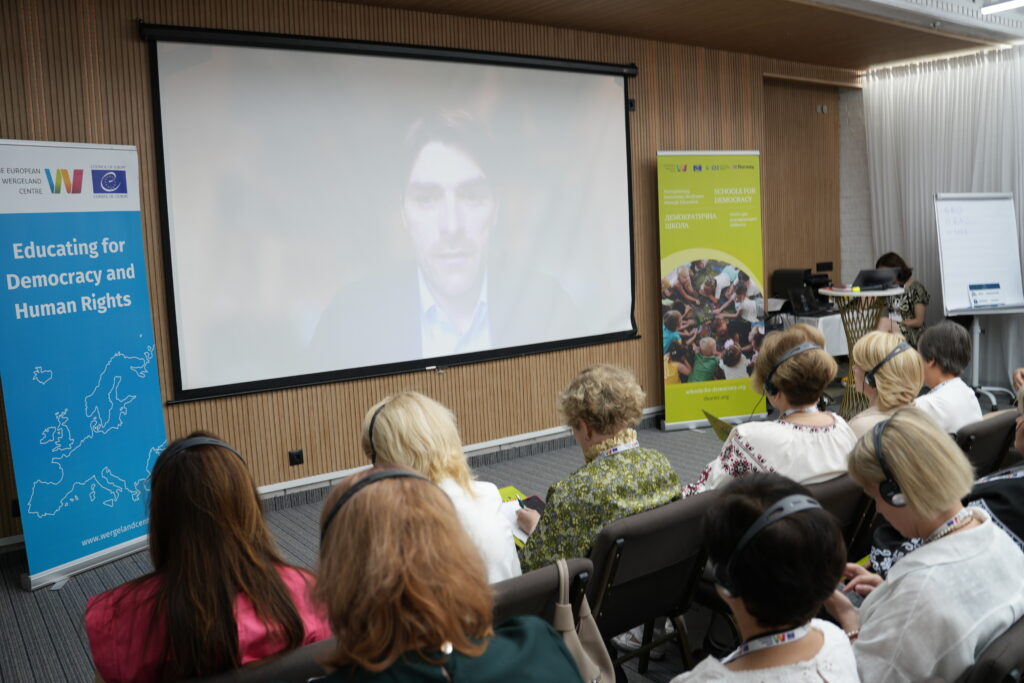
Jean-Christophe Delmas, Senior Advisor at NORAD, sent a video greeting from Oslo, congratulating everyone involved in the programme.
“That investment from ten years ago are bearing fruit among young Ukrainians right now. Ten years is a long time – as you all have felt – through a pandemic and then a full-scale invasion, the project has continued,” Jean-Christophe said.
Read also: Navigating Uncertainty: Teaching Human Rights in Wartime Ukraine
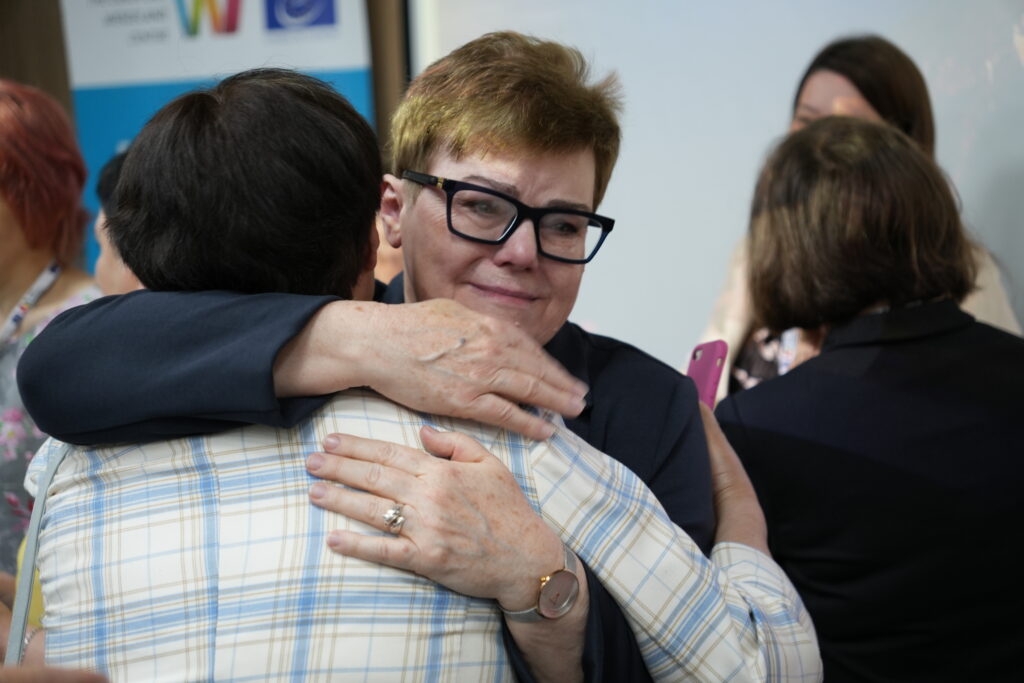
Cornelia Cincilei, Director of the Step by Step Foundation Moldova, praised the Ukrainian educators who had travelled to Chișinău despite the ongoing war.
“You are our shield. We are aware that democracy is under threat, and you are at the forefront of that fight for democracy – also for us.”
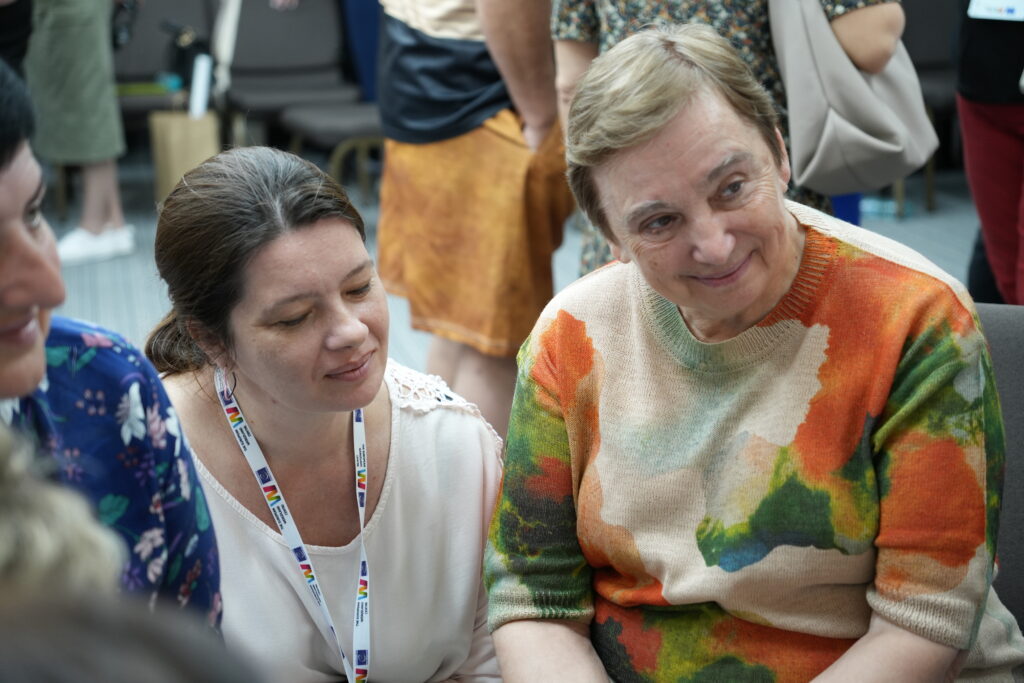
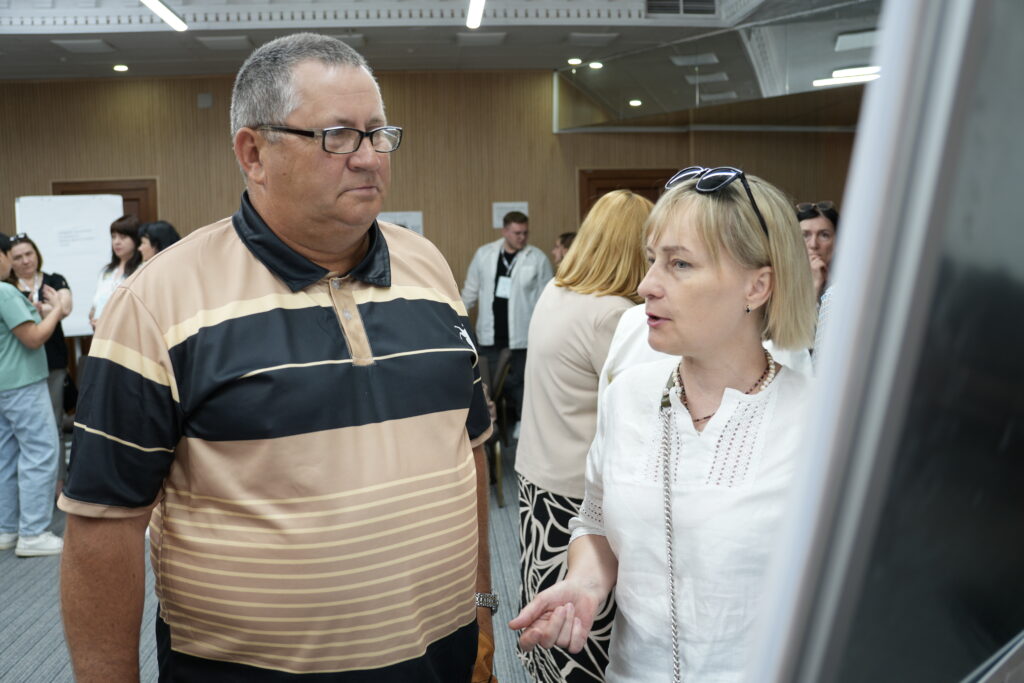
Beyond marking the anniversary, the conference provided a forum for participants to exchange experiences, strengthen partnerships, and explore new approaches to promoting democratic culture in schools and local communities through panel discussions, workshops, and interactive activities.
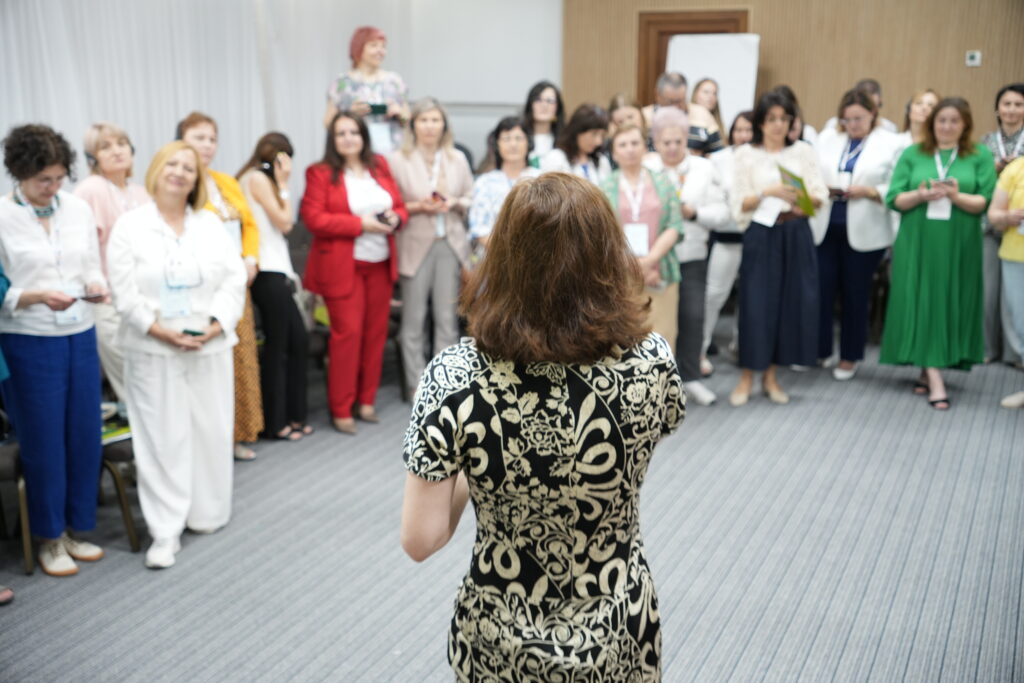
Reflecting on the programme’s broader significance, Iryna highlighted how schools have adapted to unprecedented challenges:
“Over the years, both Ukraine and Moldova have faced immense challenges. Ukrainian schools and teachers have continued their work despite war, displacement, and destruction. Moldova has shown extraordinary solidarity by welcoming those fleeing the conflict. In both countries, schools have become much more than places of learning –they have become centres of support, refugee camps, humanitarian hubs, and community centres.”
“Your experience offers valuable lessons not only for your countries, but for Europe as a whole,” she concluded.
Read also: Young People Take the Lead in Building Inclusive Schools in Moldova
Stella Shapoval, Head of the International Agreements Expert Group at the Ministry of Education and Science of Ukraine, thanked the programme for its contribution to implementing the New Ukrainian School reform.
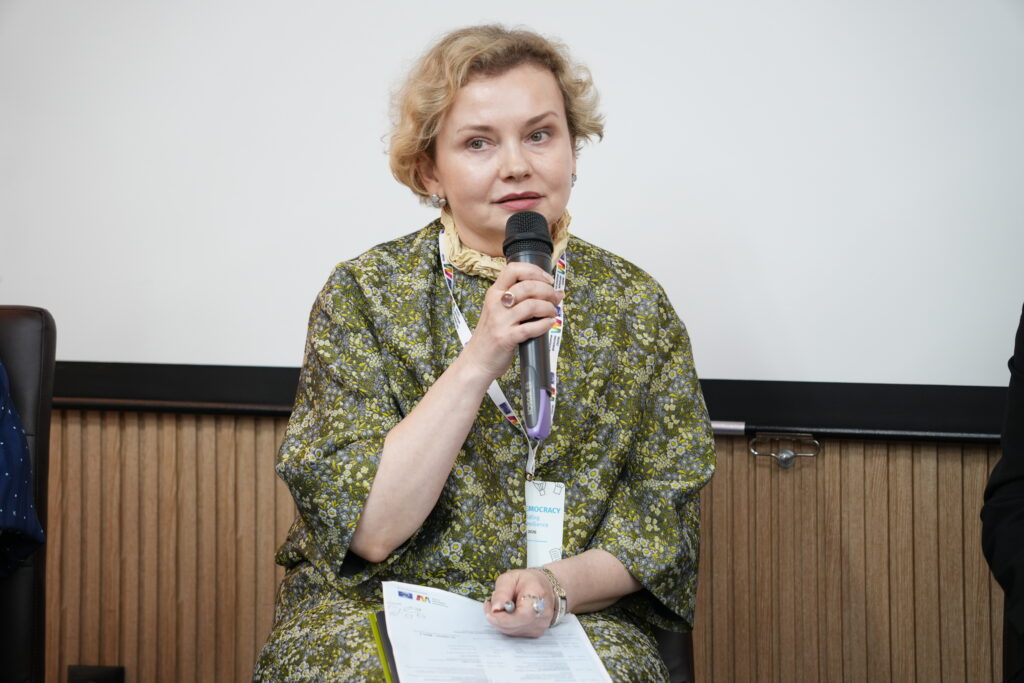
“I was born in Moldova and moved later to Ukraine. All of us studied in a Soviet school and both Moldova and Ukraine suffered from russification. We all have to work hard to hive our children the competences a Soviet education never gave us. Today’s cooperation is very important,” she said.
Many, including Senior Advisor at the European Wergeland Centre, Larisa Leganger Bronder, underlined that teachers cannot shoulder this responsibility alone.
“We live in challenging times, and sooner or later these challenges reach every classroom. Teachers are expected to navigate these realities while fostering democratic competences among their students. They cannot do this alone—they need the support of society as a whole.”
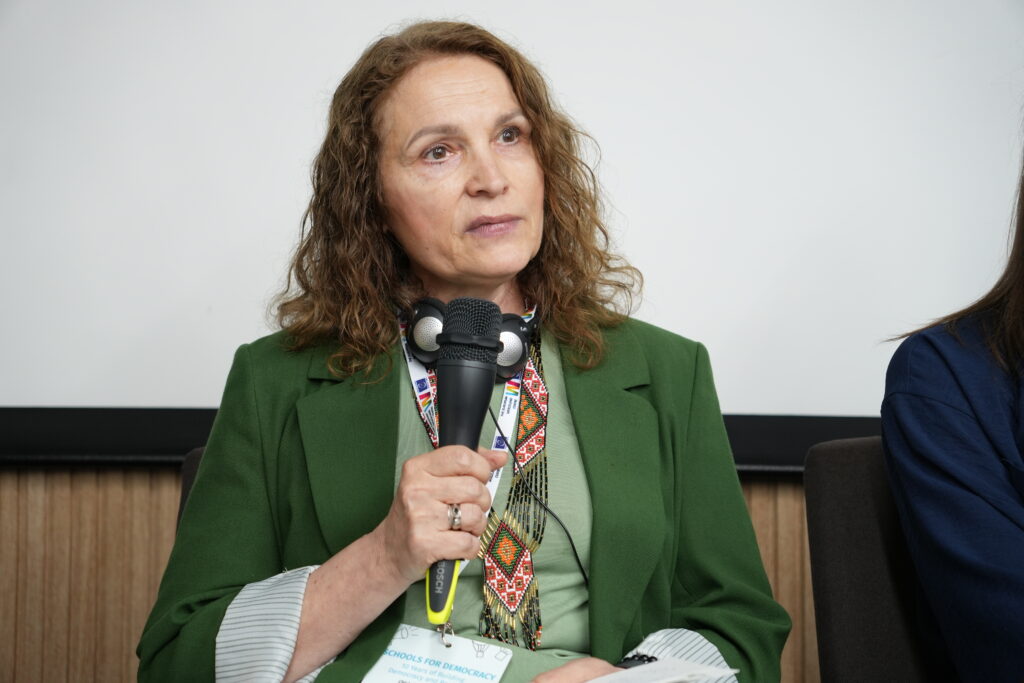
As the conference came to a close, one message stood out: ten years of progress is only the beginning. With educators, institutions and partners continuing to work together across Ukraine and Moldova, Schools for Democracy will keep supporting schools in building democratic, inclusive and resilient communities – wherever they are needed most.
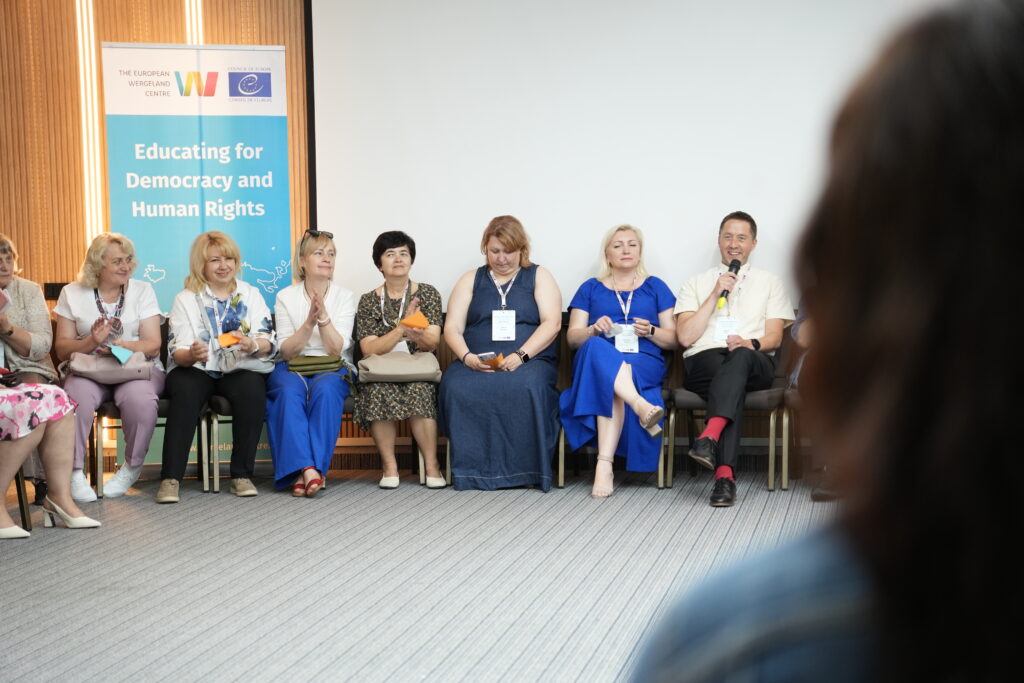
The “Schools for Democracy” Programme is implemented by the EWC in cooperation with the Ministry of Education and Science of Ukraine, Center of Education Initiatives, Step by Step Foundation Ukraine and SavED. The programme is funded by the Nansen Support Programme for Ukraine. The Nansen Programme belongs to the Norwegian Agency for Development Cooperation (NORAD).
Visit the programme website at https://www.schools-for-democracy.org/ or https://wergelandcentre.org/countries/ukraine/