Strengthening Democracy in Polish Schools
Darya Shut joins the The European Wergeland Centre, to lead a project that aims to strengthen democratic education and critical thinking in Poland.
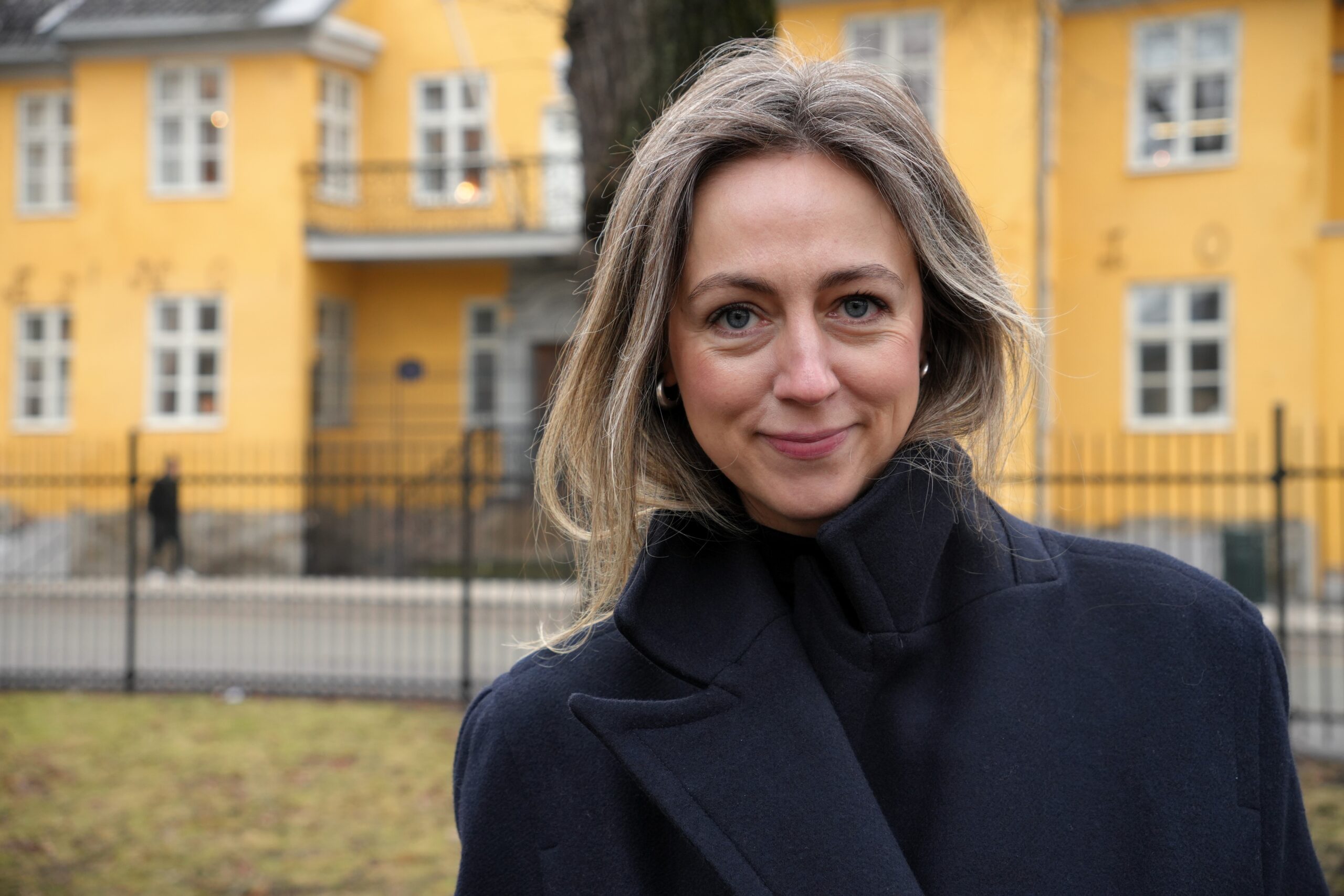
This is her third month as senior advisor and project manager at The European Wergeland Centre, but already June 2, the new initiative will be launched in Poland.
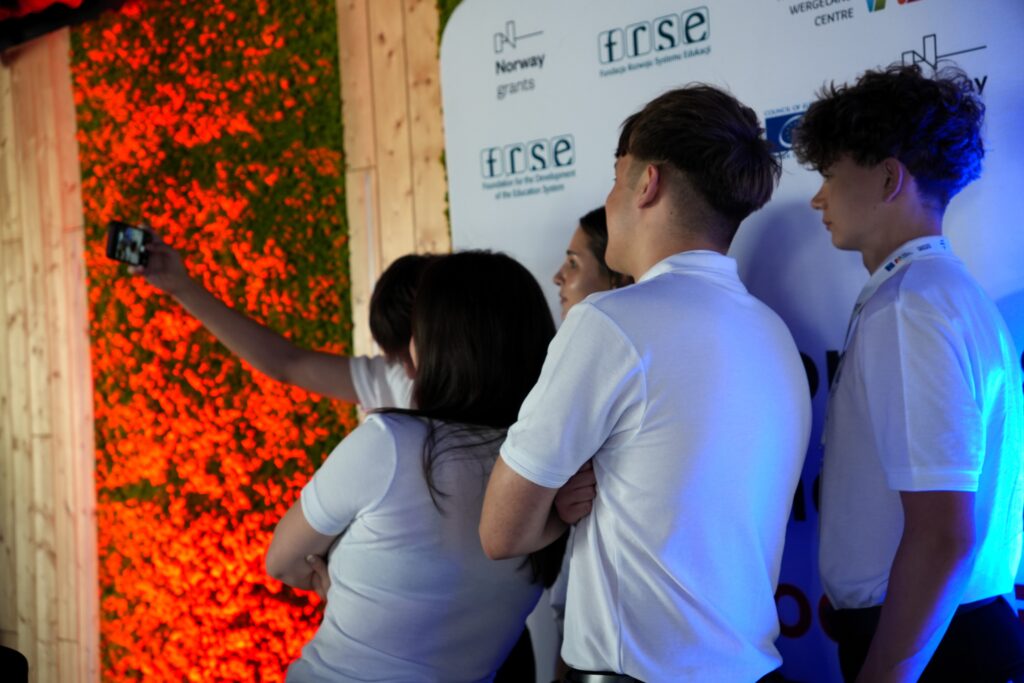
The European Wergeland Centre joins Polish partners in two programmes in Poland. One of them, “Civic Education for Change,” funded by the EEA Norway Grants, is in cooperation with the Polish Foundation for the Development of the Education System (FRSE).
The programme promotes education for democracy and aims to strengthen democratic resilience, inclusion, and active citizenship among children and youth in local communities, in line with the new Polish school reform “Reform26: Compass of Tomorrow” and the new curriculum for civic education.
Participation
“Polish children already have a good understanding of what democracy is, but they lack the practical experience of partaking in democratic processes,” explains Darya, and refers to the recent ICCS study.
Through “Civic Education for Change,” teachers will receive guidance on how to foster a culture of democracy in schools, including training in and access to the best practice and methodology available in the Council of Europe. Focus will be on youth participation, inclusion, digital citizenship and media literacy, as well as how to promote self-governance among students.
The initiative aims to ensure that students have a practical understanding of democracy, feel heard, recognise their ability to influence their surroundings, and trust that adults take them seriously.
Schools as democratic workshops
«The goal is to turn the whole school into a democratic workshop,” Darya smiles.
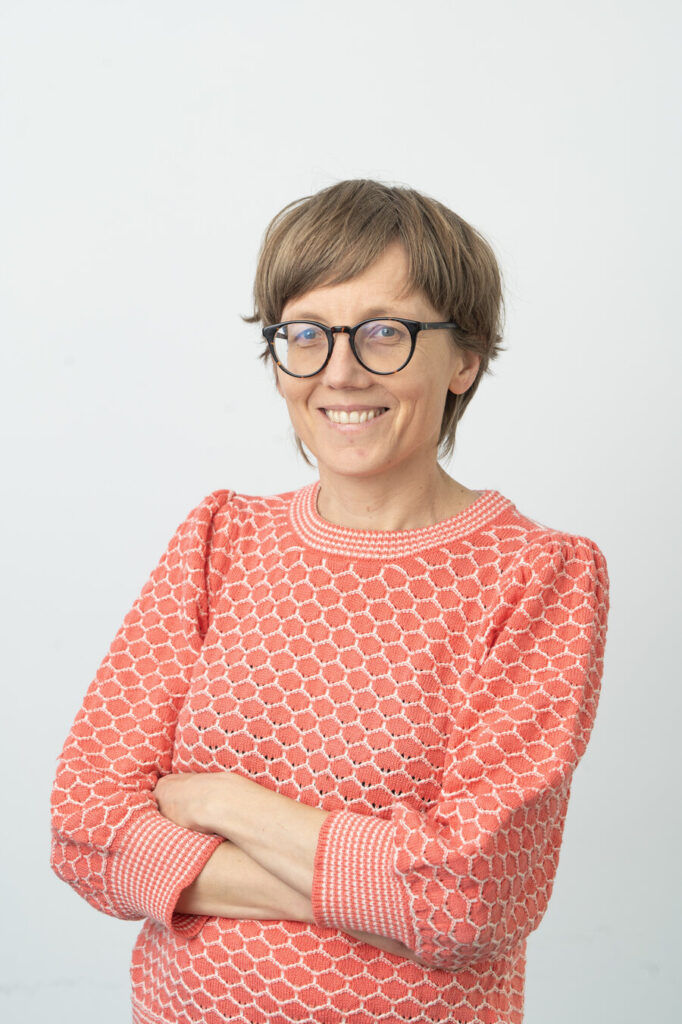
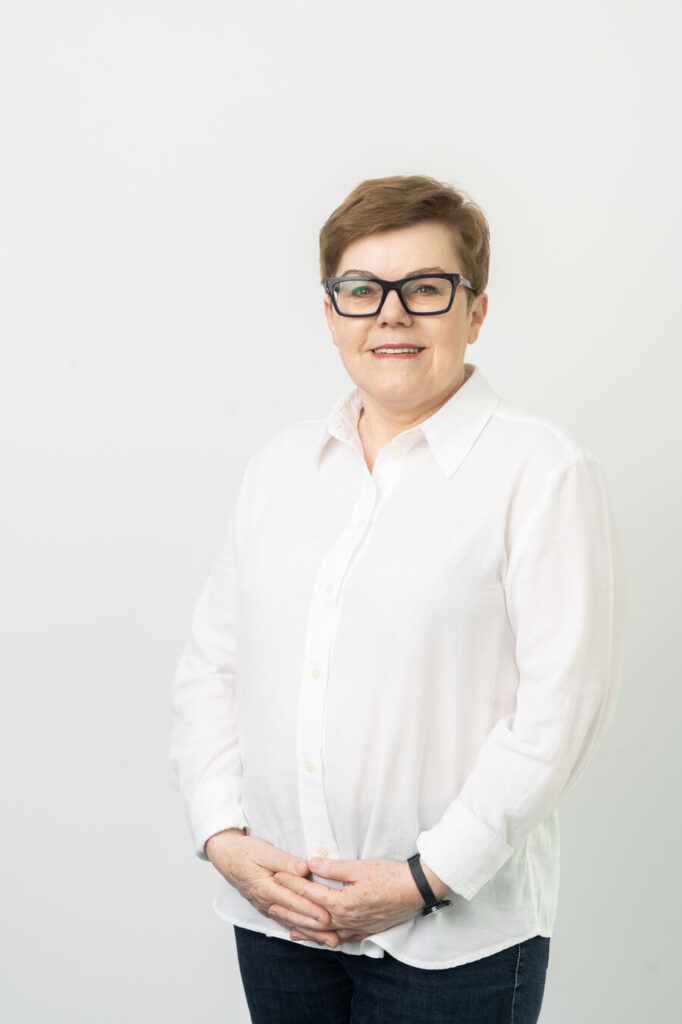
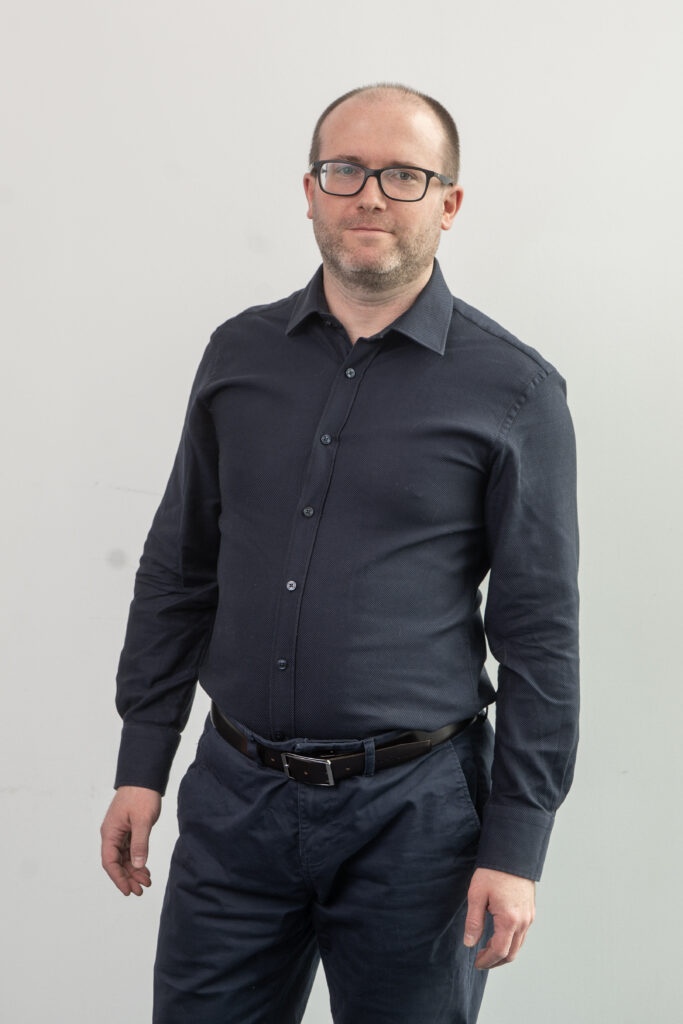
To support the programme, the Wergeland Centre and FRSE have joined forces with Polish education experts Sylwia Żmijewska-Kwiręg, Maciej Sopylo and Marzena Rafalska.
The programme also seeks to strengthen cooperation between policy makers, civil society, local authorities, and schools. It aims to increase students’ resilience to disinformation, prepare them to engage in democratic processes, defend human rights, and provide decision-makers with evidence from the field.
“The ability to critically process information have decreased in many countries,” says Darya. “Poland has been in a difficult position for a long time, with large amounts of disinformation and propaganda coming in from the Russian Federation. That’s why it is so important to strengthen resilience.”
A childhood shaped by repression
Darya has lived in Norway for the past twenty years. She has previously served as a senior advisor to the Norwegian Health Directorate and the Norwegian Directorate of Integration and Diversity. In 2020, she co-founded Razam, the Belarusian Association in Norway.
“Democracy and inclusion lie very close to my heart. I come from a country that is considered a dictatorship. The head of state has been in power for 32 years! Moving to Norway, one of the most democratic countries in the world, and studying political science here, helped me see in detail what separates a democracy from a dictatorship,” she says.
As a senior advisor with the Wergeland Centre, Darya brings with her the lessons she learned from growing up in a dictatorship. For her family, Poland’s democratic struggle against the communist regime became a symbol of hope.
“Poland was a role model for us when I grew up. They fought peacefully against the communist dictatorship and chose to join the European community. Now it is a country with many challenges but with a commitment to strengthen democracy and counteract antidemocratic developments,” Darya says.
She believes that fostering education, media, and critical thinking play a decisive role in whether a country sustains democracy.
See the humanity in others
She hopes that “Civic Education for Change” will help young people to see humanity in others – regardless of political beliefs, background, faith, gender, or disability.
“This is something we have to strive to achieve, and the school needs to lead the way.”
The European Wergeland Centre is currently active in Poland through two programmes supported by the EEA and Norway Grants: Civic Education for Change and the Jewish Cultural Heritage Program.
“Civic Education for Change” promotes education for democracy in Poland and reinforces reforms in civic education from early childhood to upper secondary level.
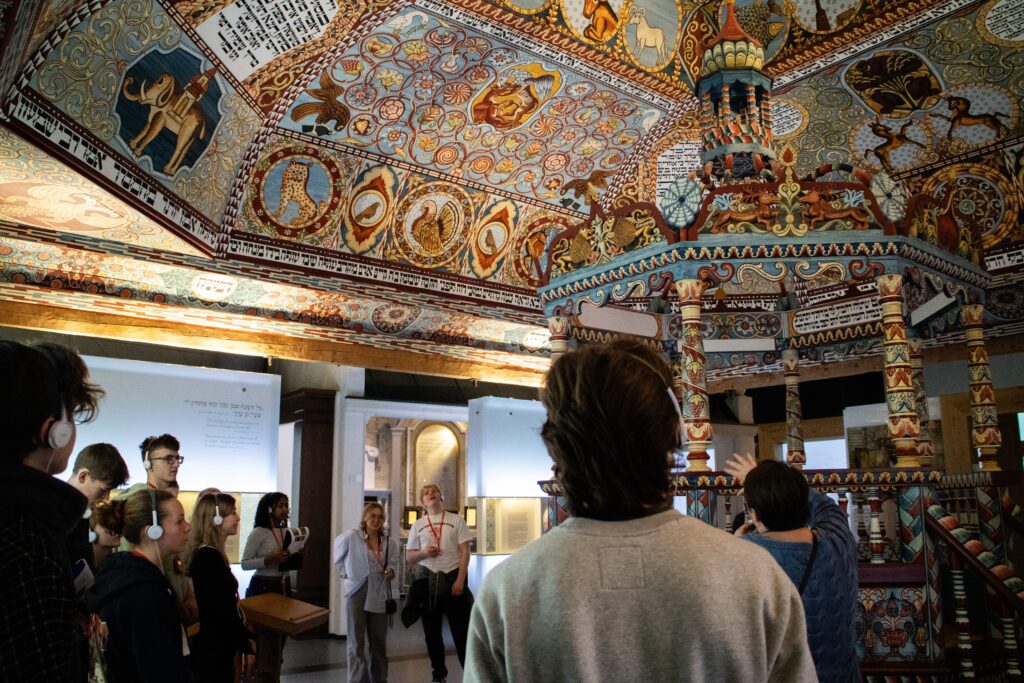
The “Jewish Cultural Heritage Program” builds on long-term cooperation between the POLIN Museum of the History of Polish Jews, The European Wergeland Centre, and Norwegian partner organisations. The program aims to foster societal resilience and eliminate antisemitism by addressing the root causes of prejudice.