
A New Approach to Resilience in Ukrainian Kindergartens
A new publication designed to help preschool teachers integrate resilience and life skills into everyday kindergarten life is now available in Ukrainian.
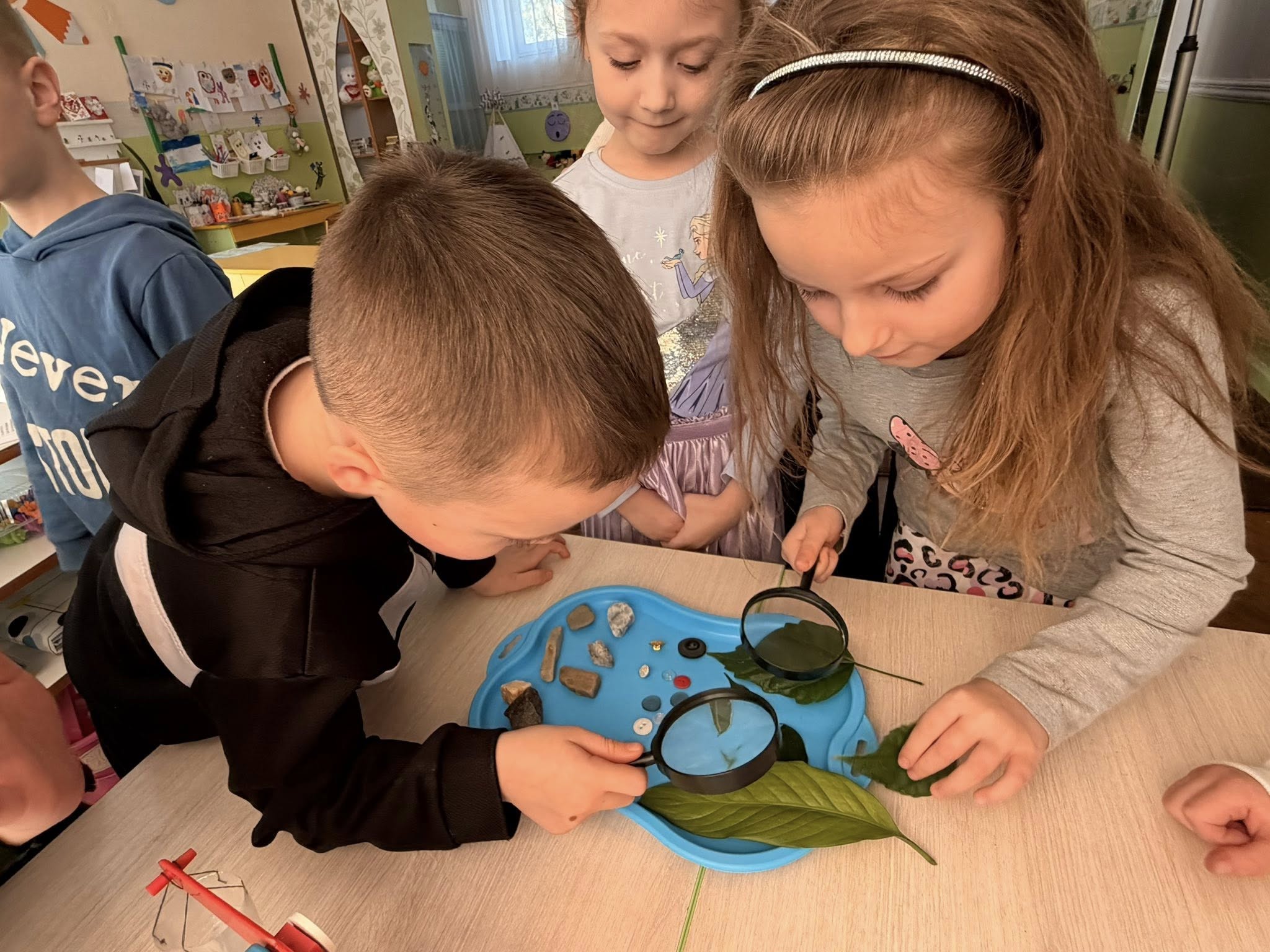
“In conditions of war, prolonged instability, loss and anxiety, the kindergarten often becomes a space of relative safety, predictability and support,” says Lyudmila Nekrash, an early childhood development specialist and trainer with The European Wergeland Centre’s Schools for Democracy programme.
As Russia’s full-scale invasion of Ukraine continues into its fifth year, strengthening the capacity of kindergartens is a key priority for both the Ukrainian government and The European Wergeland Centre.
Kindergartens not only enable parents to enter or re-enter the workforce, but also provide children with community, comfort, and a safe place to play and develop.
Through tailor-made courses reflecting the Ukrainian reality, as well as digital learning resources and a vibrant online community, the Wergeland Centre supports preschool teachers in their efforts to make childhood — even in wartime — as safe, meaningful and joyful as possible.
Read also: Let us Talk About Kindergarten
A New Way to Think About Resilience
The latest addition to the Centre’s Ukrainian-language digital toolkit is the Norwegian publication Barnehagens betydning for livsmestring (The Importance of Kindergartens for Resilience and Life Skills,) written by assistant professors Elisabeth Walsøe Lehn and Anne Holla Sivertsen at Queen Maud University College in Norway.
Drawing on the Norwegian preschool education system, the book takes the abstract terms of “resilience” and “life skills” and applies them to everyday life in a kindergarten.
“It has been important for us to show how kindergarten teachers can support the development of resilience and life skills naturally through daily activities,” the authors explain.
According to Lehn and Sivertsen, helping children become resilient begins with making life understandable, manageable and meaningful. Children need opportunities to use their abilities, feel useful, act independently and be active members of their community.
The publication explores the role of daily routines, nutrition, kindergarten design, mental health, and physical and sensory activities in supporting children’s development and wellbeing.
This approach has strongly resonated with Ukrainian educators.
For Lyudmila Nekrash, one of the book’s most powerful ideas is the understanding of childhood as valuable in itself — not merely preparation for adulthood.
“The idea that life does not always need to be ‘overcome’ — that it should also be lived — resonated deeply with me,” she says. “The role of adults is not to toughen children up, but to be there for them when things are difficult.”
Translated into Ukrainian by interpreter Natalia Ilischuk for the Schools for Democracy programme, the publication is now available to download for free on The European Wergeland Centre’s Ukrainian website.
The Importance of Free Play
Free play is a cornerstone of Norwegian kindergarten culture. Through play, children learn to navigate challenges, negotiate with others, regulate emotions and gain confidence through experience.
Rather than leading play sessions, kindergarten teachers are encouraged to create supportive environments where children can explore and develop on their own terms.
“Our goal has been to highlight the importance of play for children’s resilience and development of life skills, because play is children’s primary form of expression and promotes both mental and physical health,” say Lehn and Sivertsen.
Inna Gorbenko, a teacher, psychologist and trainer with the Schools for Democracy programme, appreciates that the book presents free play as a central mechanism for developing social skills, emotional regulation and the ability to interact with others.
“What is especially valuable is that the authors show how everyday life itself shapes a child’s inner strength,” she says.
Read also: “Without educated people, there will be no Ukraine”
Building Bridges Between Norway and Ukraine
The two authors say they are very happy that the Schools for Democracy programme has made the publication accessible to Ukrainian educators.
“It means a lot to us to know that our book and our work will be read and used by educators in Ukraine during a prolonged war,” they say. “We want to express our deepest respect to Ukrainian educators for the work you do. You are important and meaningful adults for children growing up in emotionally demanding circumstances.”
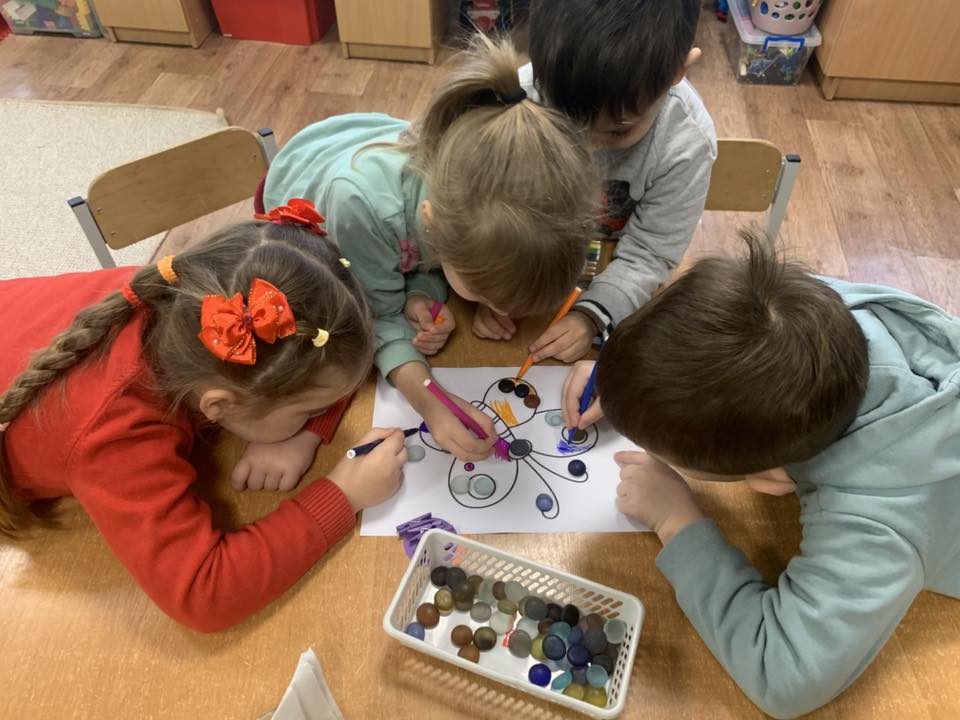
Lyudmila Nekrash praises the publication for supporting educators without placing unrealistic demands on them.
“It gives a sense of professional dignity and meaning to daily, often unnoticed work,” she says. “It helps us see our routines from a new perspective and creates a bridge between Norwegian experience and Ukrainian reality, while maintaining deep respect for both the child and the adult.”
“This book is a text you do not simply read,” she adds, “but reflect on and gradually weave into the living practice of the kindergarten.”
The publication is included in the Centre’s new courses currently under development, and the guidebook is already being used in professional training and capacity-building initiatives in Ukrainian kindergartens.
The guidebook was translated into Ukrainian within the framework of the program “Schools for Democracy: Strengthening Democratic Resilience through Education”, which is implemented by the European Wergeland Centre (Oslo, Norway) and the Ministry of Education and Science of Ukraine in partnership with the Center for Educational Initiatives, the All-Ukrainian Step by Step Foundation, the savED Foundation and Step by Step Moldova with financial support from Norway.