Two New Initiatives Launched in Poland
A busy week for The European Wergeland Centre saw the launch of two major initiatives in Warsaw from 1–3 June 2026: Civic Education for Change and Jewish Cultural Heritage. Both projects are supported by the EEA and Norway Grants and aim to strengthen democratic participation, inclusion, and intercultural understanding in Poland.
Civic Education for Change
Civic Education for Change is a five-year initiative designed to strengthen civic education in Poland through innovative teaching methods and capacity-building in schools and kindergartens.
Implemented by the Foundation for the Development of the Education System (FRSE) in cooperation with The European Wergeland Centre, the project brings together 20 national experts and 160 regional experts to promote democratic practices, inclusion, and active citizenship across Poland.
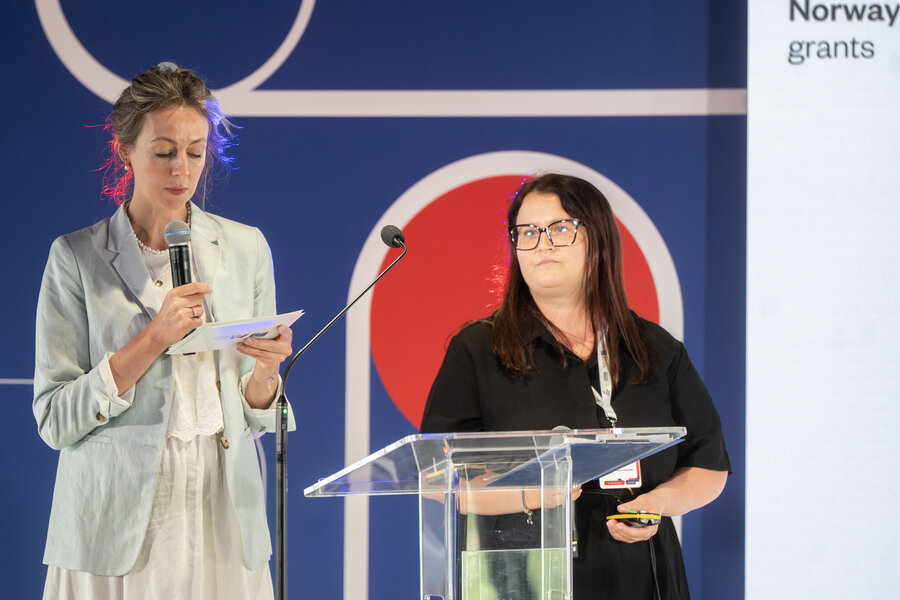
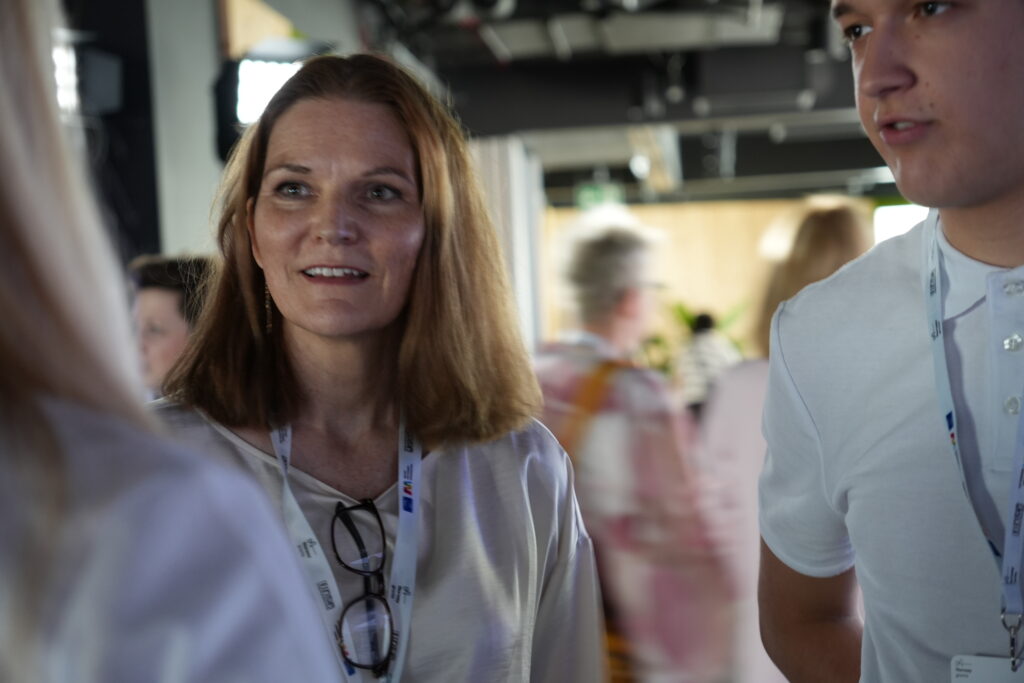
At the launch conference in Warsaw, Wergeland Senior Advisor and Project Manager Darya Shut presented the project alongside her FRSE counterpart Małgorzata Mędrala.
“Schools and kindergartens are training grounds for democracy,” Darya said.
“We will think big and systematically. Every activity will be measured to make a basis for further projects and research,” Małgorzata added.
Through training, mentoring, and networking activities, the project is expected to support approximately 5,000 teachers and education professionals. Around 200 schools and kindergartens will participate in initiatives aimed at strengthening democratic school culture, building resilience against misinformation, and enhancing cooperation between schools, local authorities, civil society organisations, and public institutions.
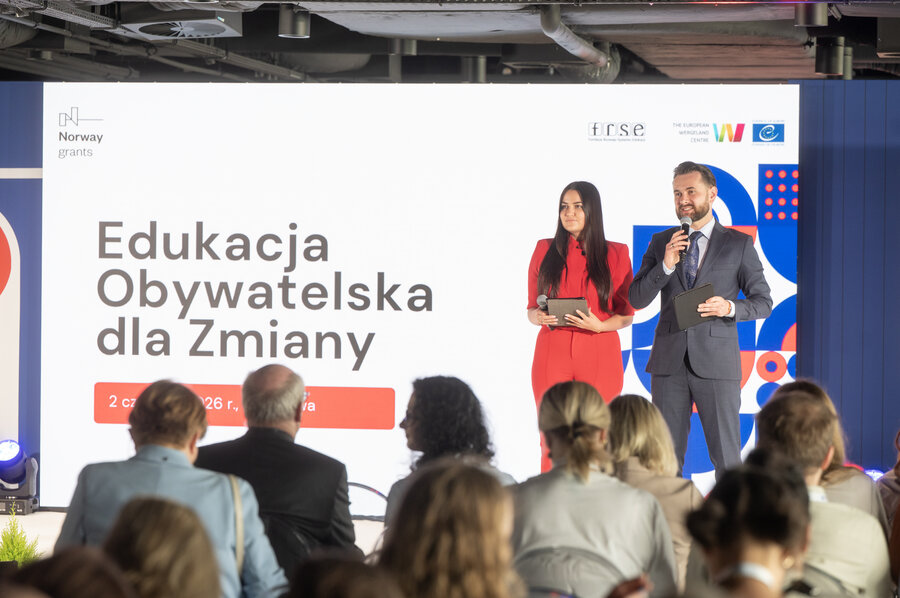
“Young people today face complex challenges. To support them in this, they need not only to understand democracy, but to be active in it. That is what makes this project stand out. It creates a strong foundation for lasting impact. We firmly believe that strong democracies are built from the ground up, through schools and local communities,” said Andreas Holm Røsberg, First Secretary of the Norwegian Embassy in Warsaw.
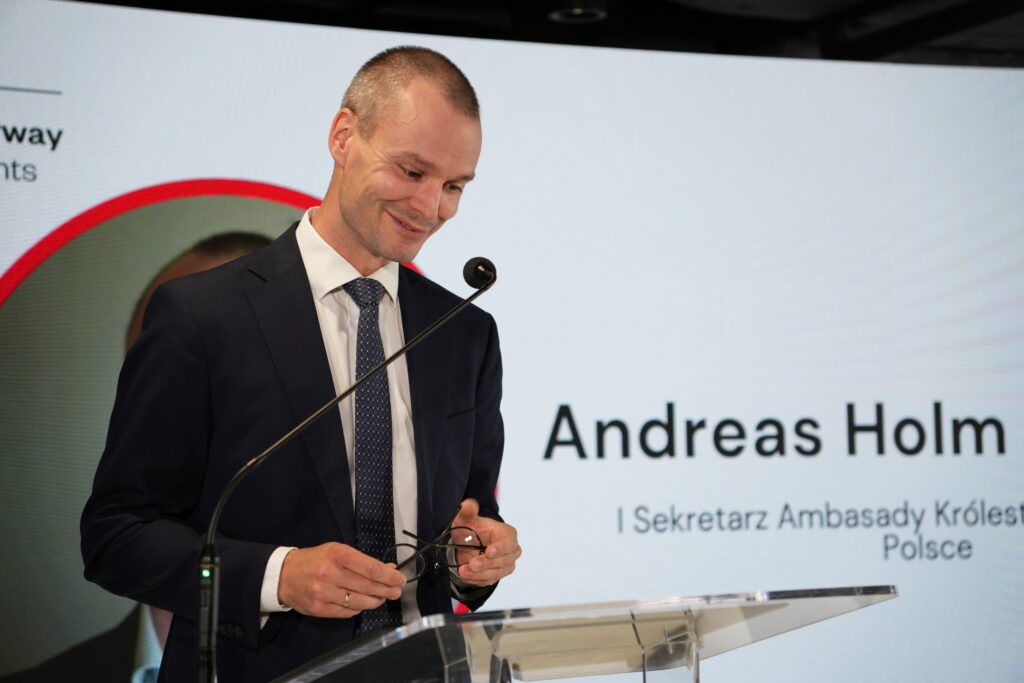
The project draws on Council of Europe frameworks for democratic education and promotes a Whole School Approach to civic education, which integrates democratic values, participation, and human rights into every aspect of school life.
“A Whole School Approach means that the entire local community works together for one purpose: to help children develop civic competences. It needs to be integrated in the teacher’s regular curriculum. This is how we send children into adulthood. In the future, they will not only take decisions in a local setting, but also in a national setting,” said educational consultant Marzena Rafalska.
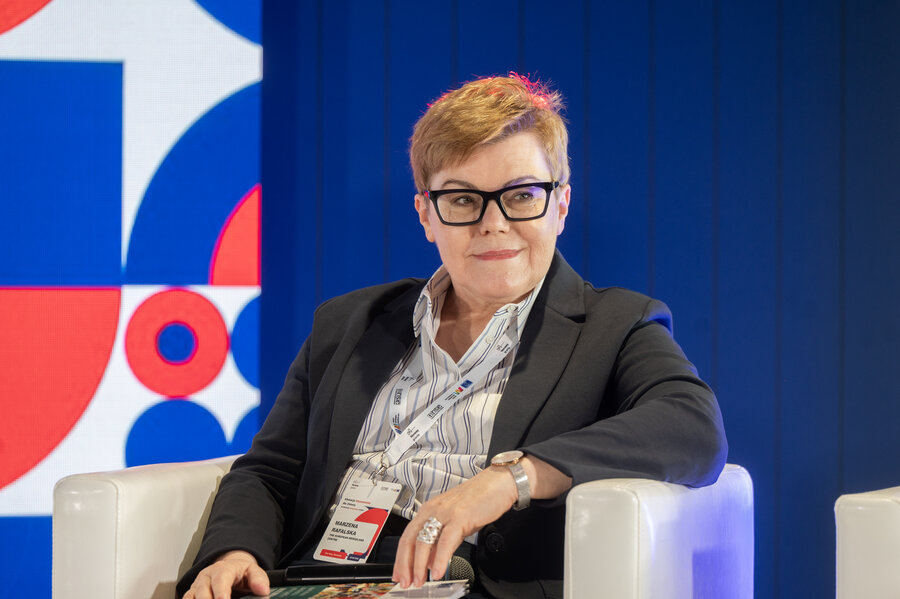
Rafalska joins fellow civic education experts Sylwia Żmijewska Kwiręg and Maciej Sopyło as mentors in the project.
Children are citizens from the moment they are born. Our schools and kindergartens are already full of citizens—not future citizens, but citizens today
Marzena Rafalska
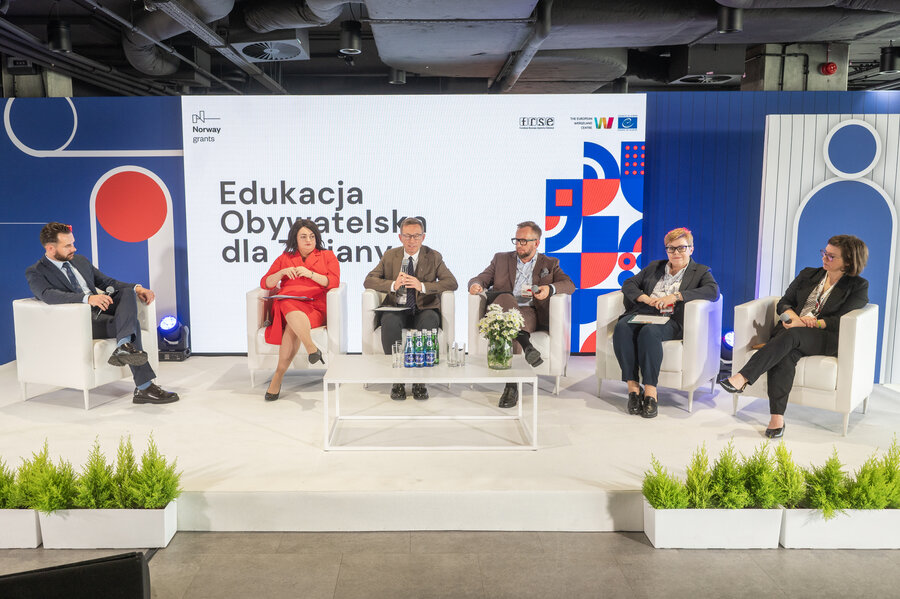
A panel discussion featured representatives from FRSE, the Centre for the Development of Education, The European Wergeland Centre, and youth participation initiatives. Discussions focused on how schools can create meaningful opportunities for young people to influence decisions that affect their lives.
Polish journalist and coordinator of “Youth Diagnosis 2026,” Paweł Rabiej, said young people are often disappointed in the democratic system, in large part because they feel their voices are not heard:
“But you can take steps to reignite that spark. Teachers are overburdened with work, but it is possible to take students outside of schools, and include parents so that the ripple effect of change that we hope for will reach wider and wider.”
Iryna Sabor, Head of the Wergeland Early Childhood and School Education Section, highlighted the value of Polish-Norwegian cooperation.
“Polish children often have fewer opportunities to practise democracy in everyday school life, while Norwegian students sometimes have stronger participation but less formal knowledge about democratic systems. We can learn from each other’s experiences.”
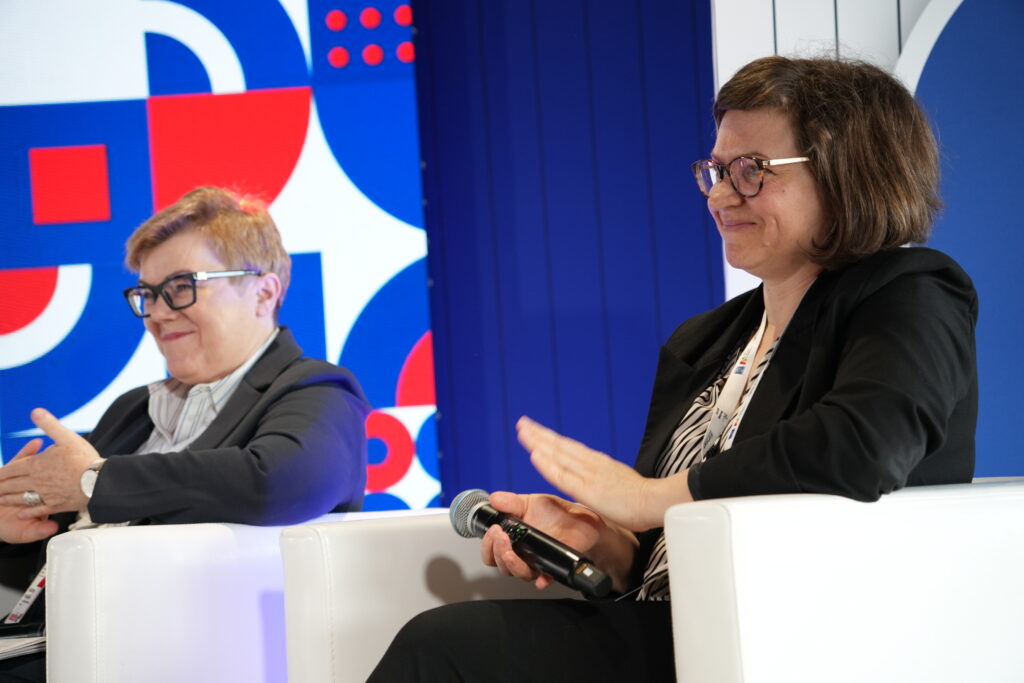
One example came from Gjøklep Secondary School in Norway, where educators developed the initiative MiljGjøklep in response to challenges following the COVID-19 pandemic.
“Classrooms need to be safe enough to take part. Civic education does not happen automatically if you put children together in the same room. You have to work on it thoroughly and systematically,” said school coordinator Margit Mathisen.
She added: “Schools cannot build democratic culture alone. That is why we actively involve parents and community actors in dialogue with our students.”
Jewish Cultural Heritage
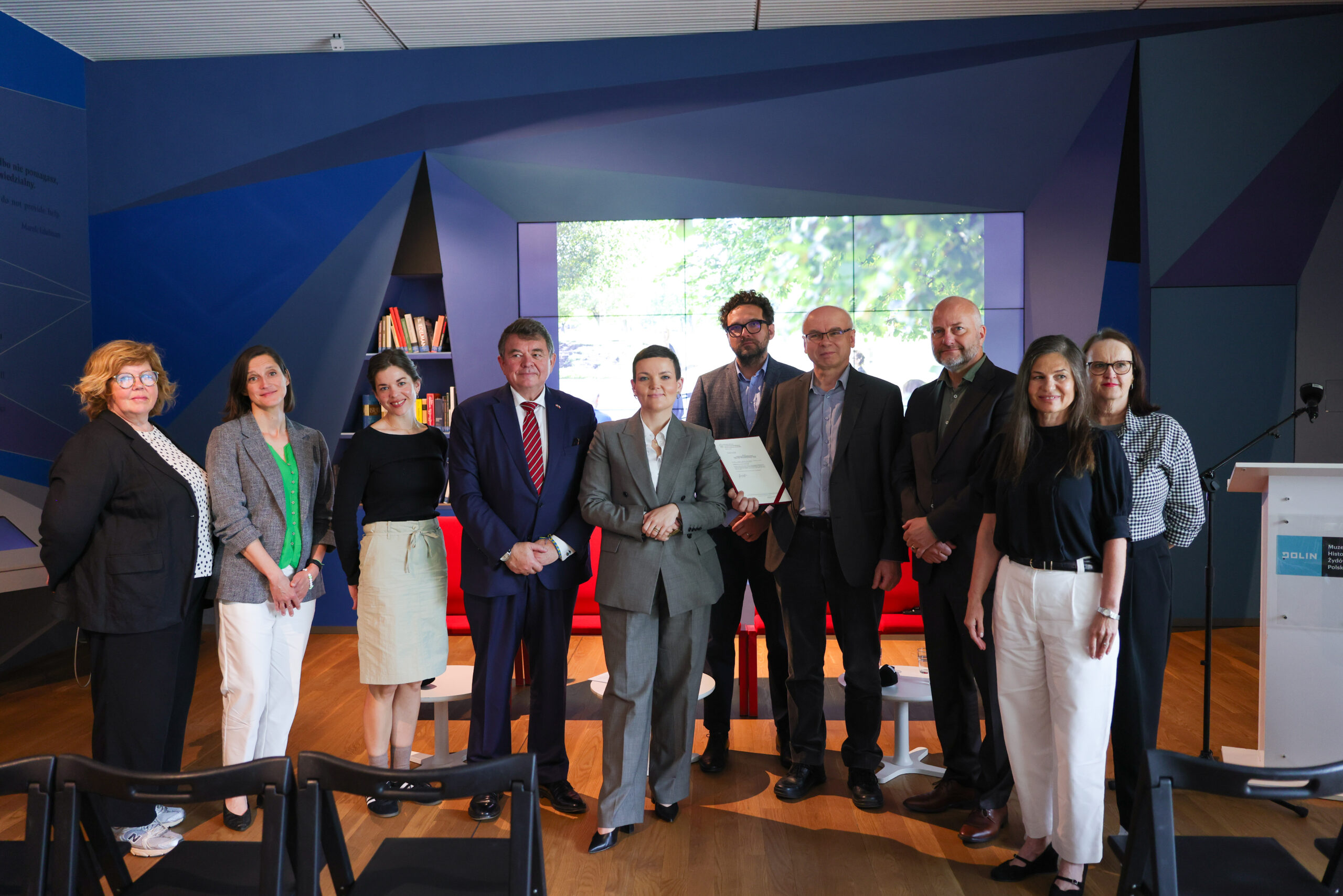
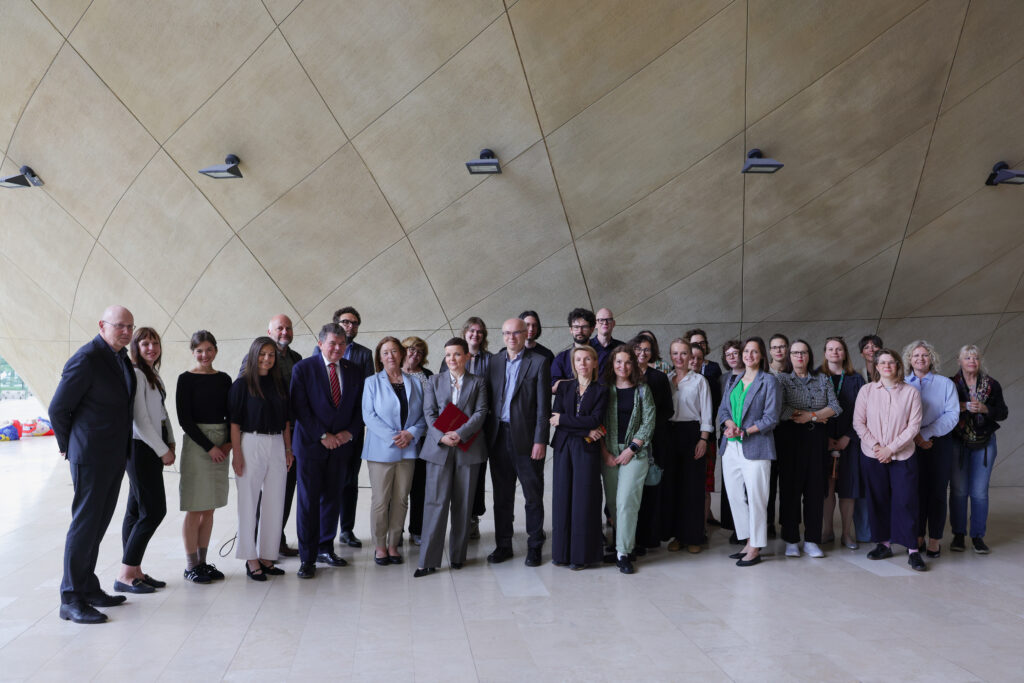
On 3 June 2026, the third edition of the Jewish Cultural Heritage project was launched at the POLIN Museum of the History of Polish Jews in Warsaw.
Funded by the EEA and Norway Grants together with Polish state funding, the initiative seeks to promote Jewish heritage through innovative educational programmes, reduce barriers to access culture and build international partnerships.
The launch conference gathered representatives from Polish and Norwegian partner institutions, including Minister of Culture and National Heritage Marta Cienkowska, Norwegian Ambassador to Poland Øystein Bø, and Ingrid Schulerud from the Norwegian Ministry of Foreign Affairs.
In the days leading up to the event, partner organisations met in Warsaw to plan the project’s next five years. The European Wergeland Centre plays a key role in the educational component.
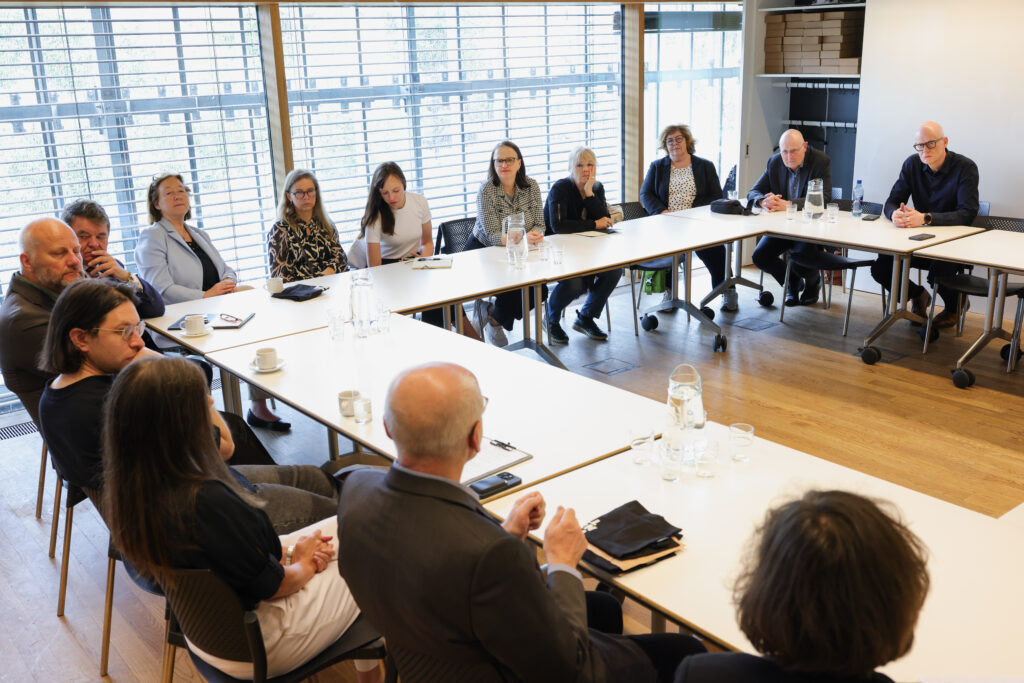
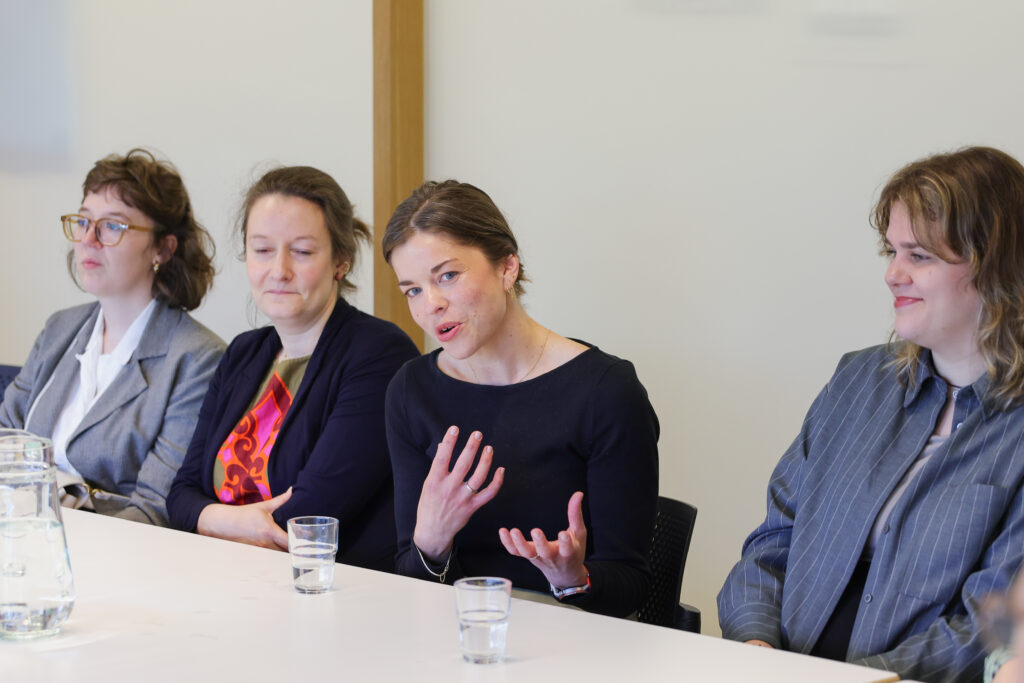
“This is a very important project built on many years of trust and cooperation,” said Kristin Flacké, Acting Head of EWC’s Youth Section. “This year marks our third youth exchange programme, and it feels more important than ever. We learn from the past, but also from each other.”
The exchange programme, Fighting Antisemitism, Xenophobia and Racism Now!, brings together Polish and Norwegian young people to explore history, identity, and democratic citizenship.
The broader Jewish Cultural Heritage initiative has already reached millions of participants through educational, cultural, and digital programmes since its inception. In its third edition, the Wergeland Centre will focus on three different target groups: teacher trainers, youth, and museum professionals.
“This is a continuation of our long-standing cooperation, developing what we have already achieved, taking it to a new lever with even more recipients,” said Minister Cienkowska, during the opening event.
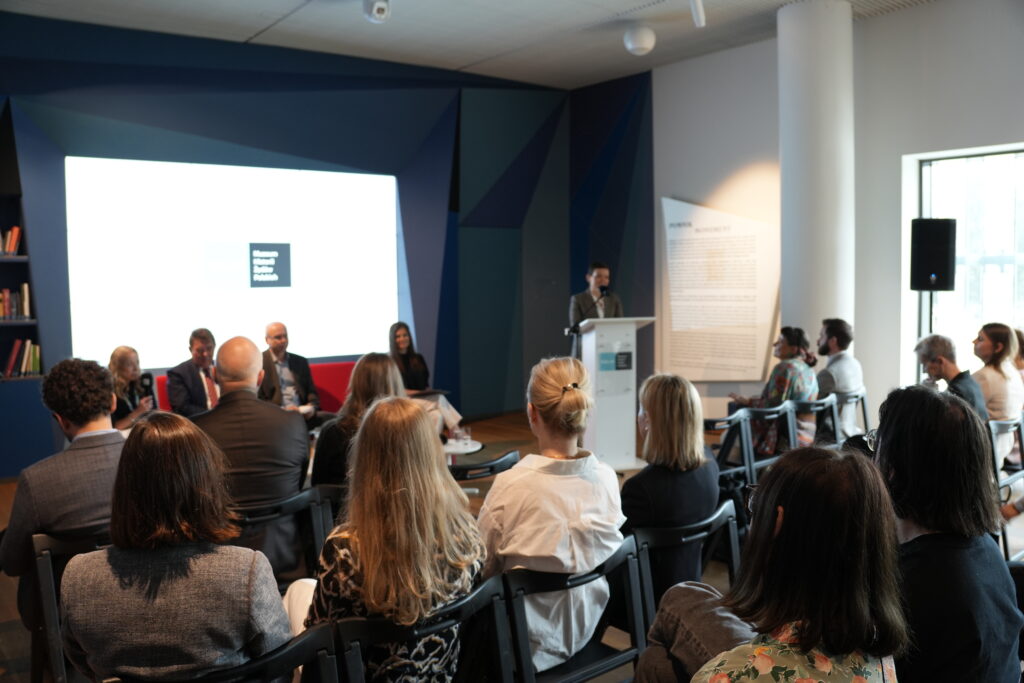
Ambassador Øystein Bø praised the strong bilateral aspect of the project, as well as its focus on youth:
“I believe that in a time when disinformation is on the rise, and disinformation is spreading, a project such as this is more important than ever. It works directly to build resilience and more inclusive societies. I particularly value the strong emphasis this project puts on young people, schools and local communities.”
Concluding the event, POLIN Museum Director Prof. Dariusz Stola highlighted the project’s dual perspective:
“This project is a combination of looking back at Jewish heritage, while also looking forward towards young people who soon will shape societies in Poland, Norway and the rest of the world.”
Civic Education for Change is implemented under the Norwegian Financial Mechanism (2026–2031) as part of the Local Development Programme, with the Polish Ministry of Funds and Regional Policy acting as Programme Operator.
Jewish Cultural Heritage is supported by EEA and Norway Grants and the Polish state.