
Opportunities which last a Lifetime
How Ukrainian Teenagers are Shaping their Community
By Veslemøy Maria Svartdal
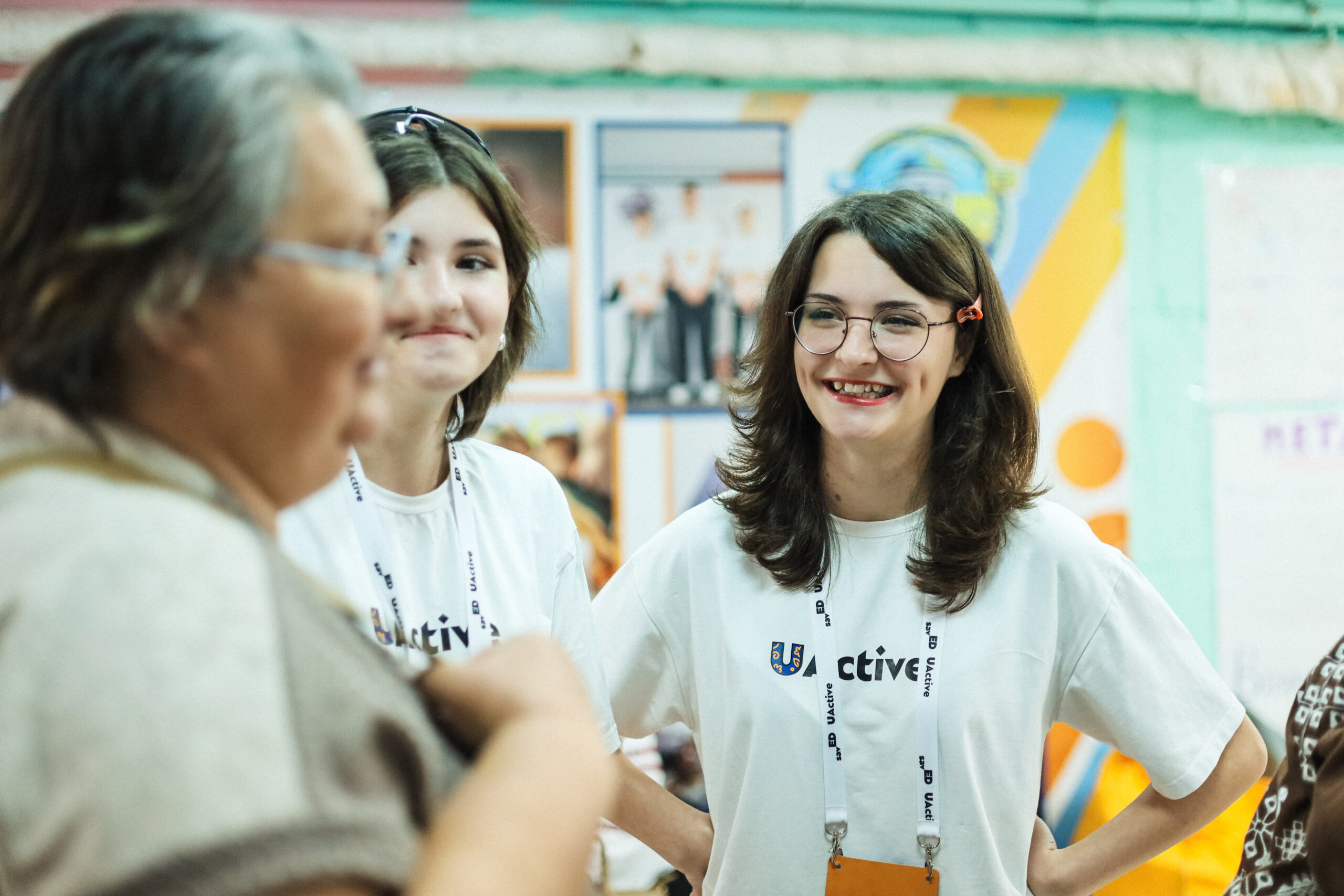
In 2022, Russian occupying forces turned Yelyzaveta’s school into an army base. Today, she and her friends are using its underground shelter to bring young people together, offer psychosocial support and reconnect their community with its history.
“It took a long time for the village to recover,” 16-year-old Yelyzaveta Naumova says. “The situation has improved now, but during that first year of war, the entire area was mined.”
Yelyzaveta lives in Sedniv, a village located in Ukraine’s northern Chernihiv oblast. At first glance, it looks much like any other Ukrainian village: colourful wooden houses fenced off from the main road, an onion-domed church dedicated to St. George, and a large mustard-coloured lyceum – Yelyzaveta’s school.
But the settlement’s strategic position next to the Snov River has made it a frequent battleground.
Yelyzaveta was only 12 years old when her mother woke her to say that Russia’s full-scale invasion had begun.
The School that Became an Army Base
The explosions began almost immediately.
Russian tanks soon entered Sedniv, turning the lyceum into an army base and cutting villagers off from food and medicine. Yelyzaveta and her family initially sought refuge in a local basement.
“There were a lot of children down there, I remember looking after them. It was very stressful. There were parents all around us who didn’t know whether they would be able to feed their children,” she recalls.
The occupation lasted only a month, but the destruction and looting were extensive. Russian soldiers had taken computers, televisions, kitchen equipment and even plumbing fixtures from local buildings.
For the village, reopening the school was one of its first priorities, Yelyzaveta says. It was not only important to restore education as soon as possible, but also an important step towards restoring a sense of normality.
Supporting youth participation in Ukraine
In 2023, the European Wergeland Centre partnered with Ukrainian charitable organisation savED to help young people rebuild and revitalise communities formerly occupied by Russian forces.
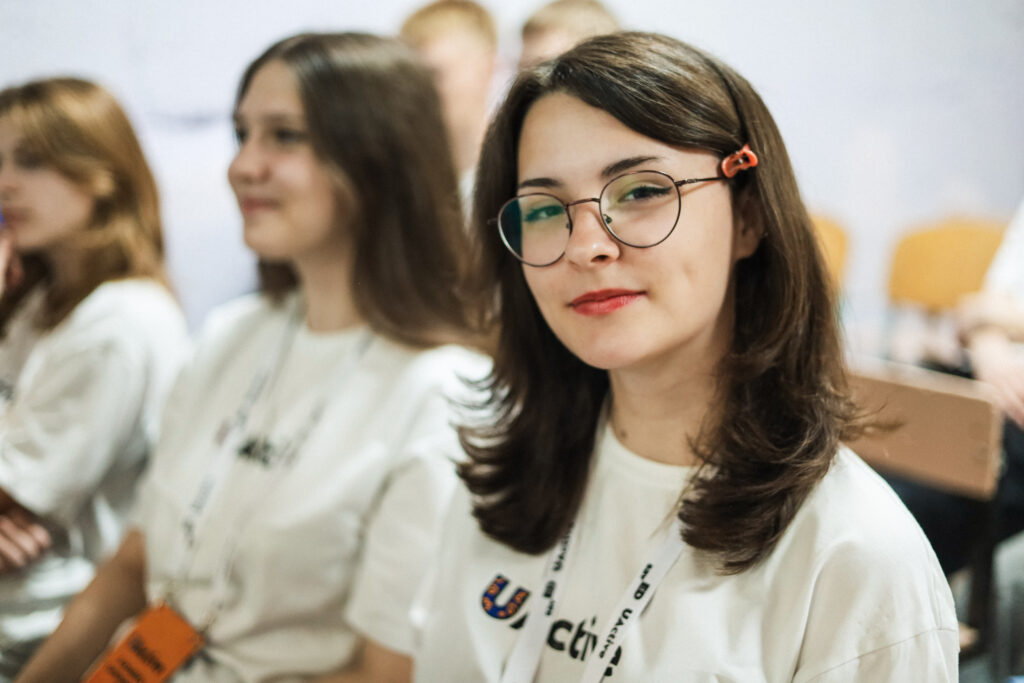
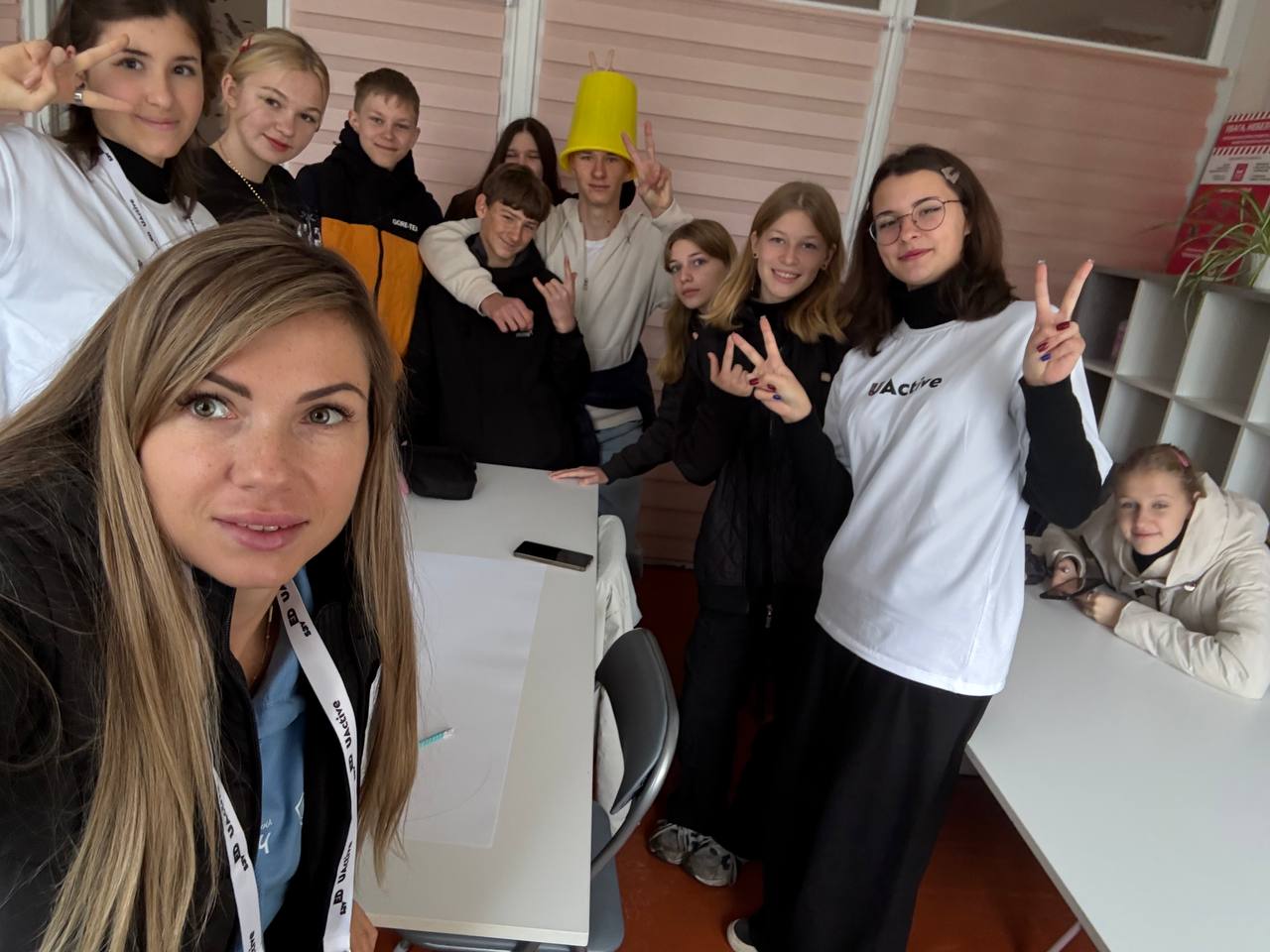
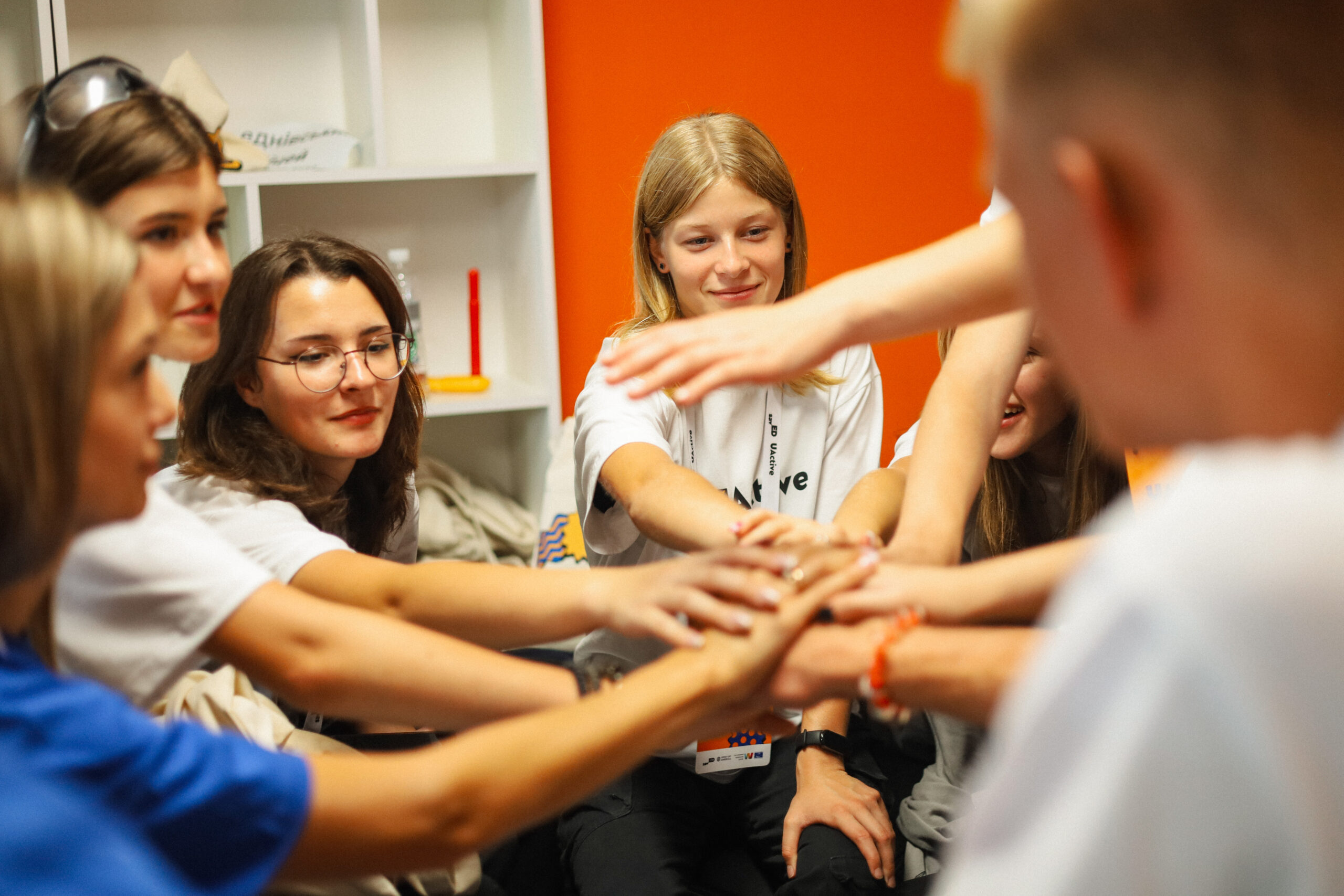
Through UActive, savED’s youth initiative, teenagers receive funding, mentorship and practical training to develop and implement projects that address local needs. They also learn how to engage with local authorities and businesses, strengthen their leadership skills and turn their ideas into action.
As part of the Centre’s Schools for Democracy – Strengthening Democratic Resilience through Education programme in Ukraine, the partnership has supported:
- More than 30 local communities across Kyiv, Chernihiv and Mykolaiv oblasts.
- Moe than 200 young participants, with an average age of 15.7 years.
The Wergeland Centre believes that giving young people the opportunity to influence and improve their communities is essential to strengthening democracy in Ukraine – both during the war and in the country’s recovery.
Young People want to Contribute
According to a 2025 study by the United Nations Development Programme (UNDP), 56 per cent of young people in Ukraine do not feel they can influence their communities. Among the reasons they cite are a lack of experience, a lack of trust that adults will take them seriously, and too few concrete opportunities to get involved.
At the same time, 77 per cent want to contribute to the recovery of their communities.
This is precisely the gap that UActive, an initiative run by the charitable organisation SavED, seeks to address. The programme invites young people from formerly occupied and frontline communities to develop their own ideas for rebuilding or improving their local areas. Through a national competition, teams with the most promising proposals receive financial support to put their ideas into practice, alongside leadership training and guidance from local mentors.
The European Wergeland Centre partnered with UActive in 2023, supporting local youth-led projects in more 30 communities across Ukraine.
Read also: “It Completely Changed My Worldview”: How Youth Are Rebuilding Wartime Ukraine
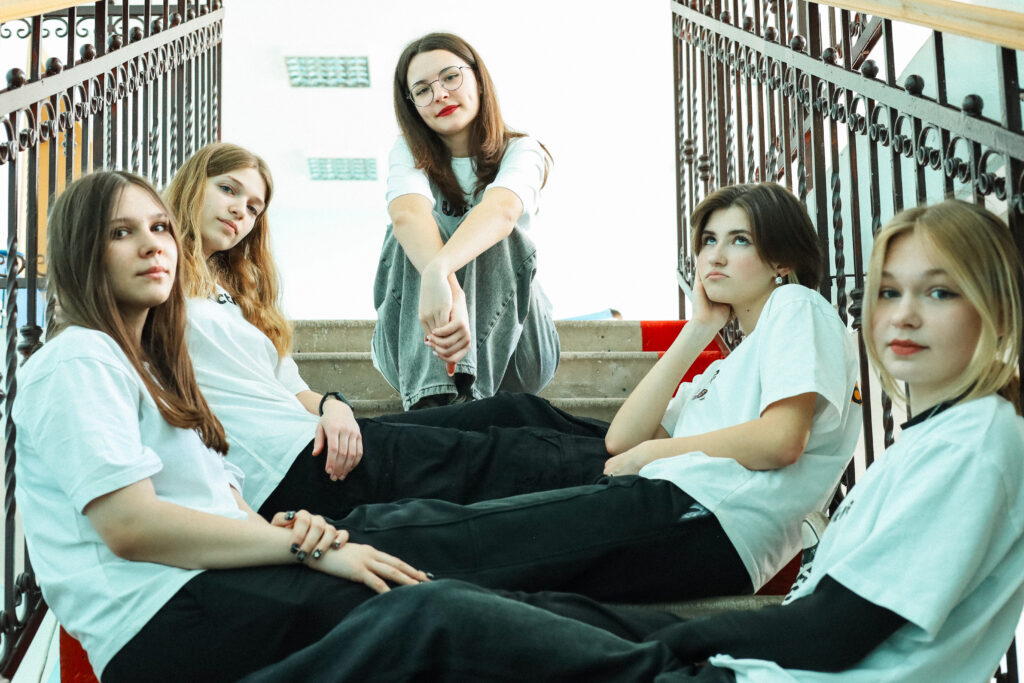
In Sedniv, Yelyzaveta and her friends were encouraged to apply by their headmaster, Yurii Vasylovych. The teenagers soon came up with an idea: to establish a hub that would combine local history with psychosocial support at a place everyone in Sedniv knew well: the lyceum.
Sedniv has a rich history. Once a fortified settlement of Kyivan Rus’, it later became part of the Cossack Hetmanate. But much of its cultural heritage was suppressed during the Soviet era.
“We thought that, especially in such difficult times, it would be wonderful for people to learn more about our culture and historical heritage. Everyone supported the idea, and the teachers were actually surprised by our choice,” Yelyzaveta smiles.
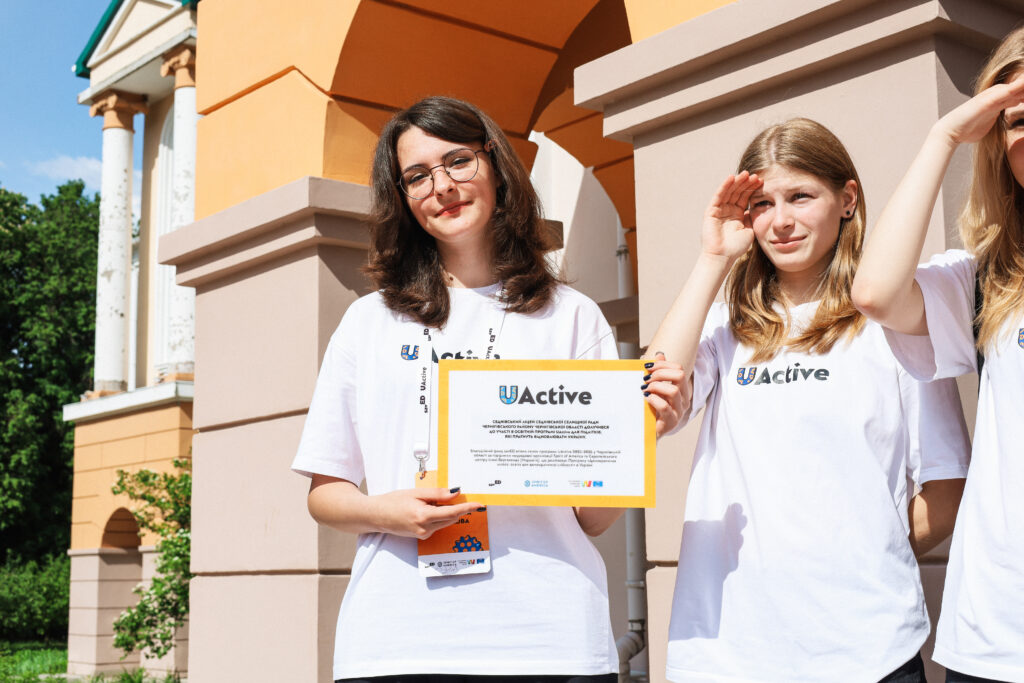
UActive was impressed by the idea of turning what had once been an army base at the start of the war, into a place of recovery and inspiration, and awarded the team funding and mentoring support to make it happen.
But turning their idea into reality would take considerable determination. Another winter was approaching, and although Sedniv had been liberated in 2022, the war was far from over.
“There was Constant Shelling”
It was the fourth winter of full-scale war. Russian attacks on civilian infrastructure plunged Yelyzaveta and the rest of Sedniv into cold and darkness.
“There was constant shelling. Power cuts could last for three days or more. Water supply was interrupted, too. When we couldn’t cook food, we just drank tea. We wore several layers of clothes because the houses would not warm up. Outside the temperatures dropped to minus 30°C,” she recalls.
During those long winter months, the school and its generator became a lifeline. Yelyzaveta and her friends went there to charge their phones, work on the project and fill containers with drinking water to take home to their families.
Their headmaster and local mentor, Yurii Vasylovych, became their biggest supporter.
“He is the backbone of our team!” Yelyzaveta smiles. “Whenever someone started to get bored or lose faith, he reassured us that we could succeed. Thanks to the programme, we became genuine friends.”
She fondly remembers how Yurii Vasylovych, who lives just 22 kilometres from the Russian border and sometimes went weeks without electricity himself, continued to encourage the students. He would bring them sweets and tea, reminding them that the project was not just about money, but about opportunities they needed to seize as they would last a lifetime.
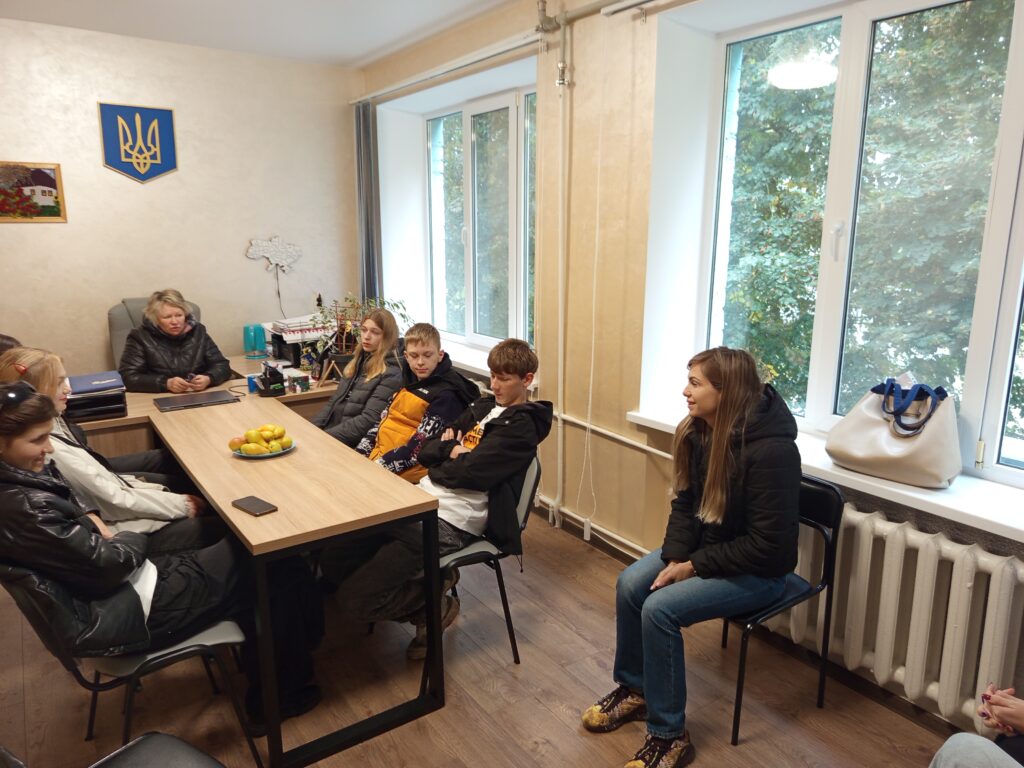
Yurii Vasylovych also helped the teenagers establish contact with the local authorities.
“The acting head of the Sedniv Village Council listened carefully and told us that she supported the initiative. She was open to all our needs and questions, and helped us obtain a generator so we didn’t have to worry about freezing in the hub at wintertime,” Yelyzaveta explains.
The team received its funding in January 2026 and got to work. They designed information posters, researched and organised purchases, and carried out minor repairs to prepare the space.
Looking back, Yelyzaveta says the difficult winter also taught the groups of friends something important about working together:
“After that winter I understood how important it is to communicate. It helps prevent burnout and allows others to understand what you’re going through. It gives them the opportunity to open up and share their experiences. I think that period brought us closer than ever.”
Safety Underground
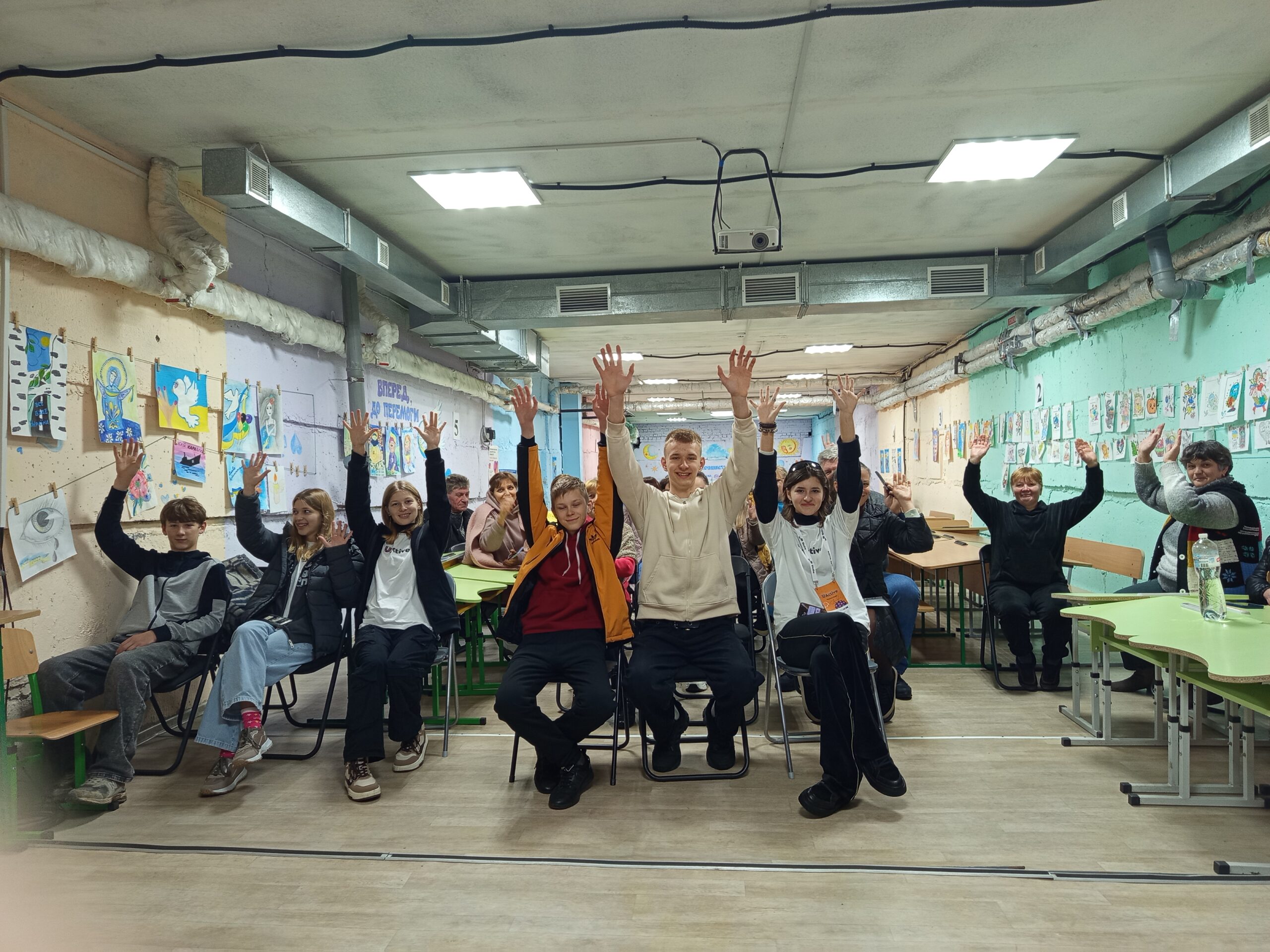
Sednivska Hudylnia – the hub created by Yelyzaveta and her friends – opened in May 2026.
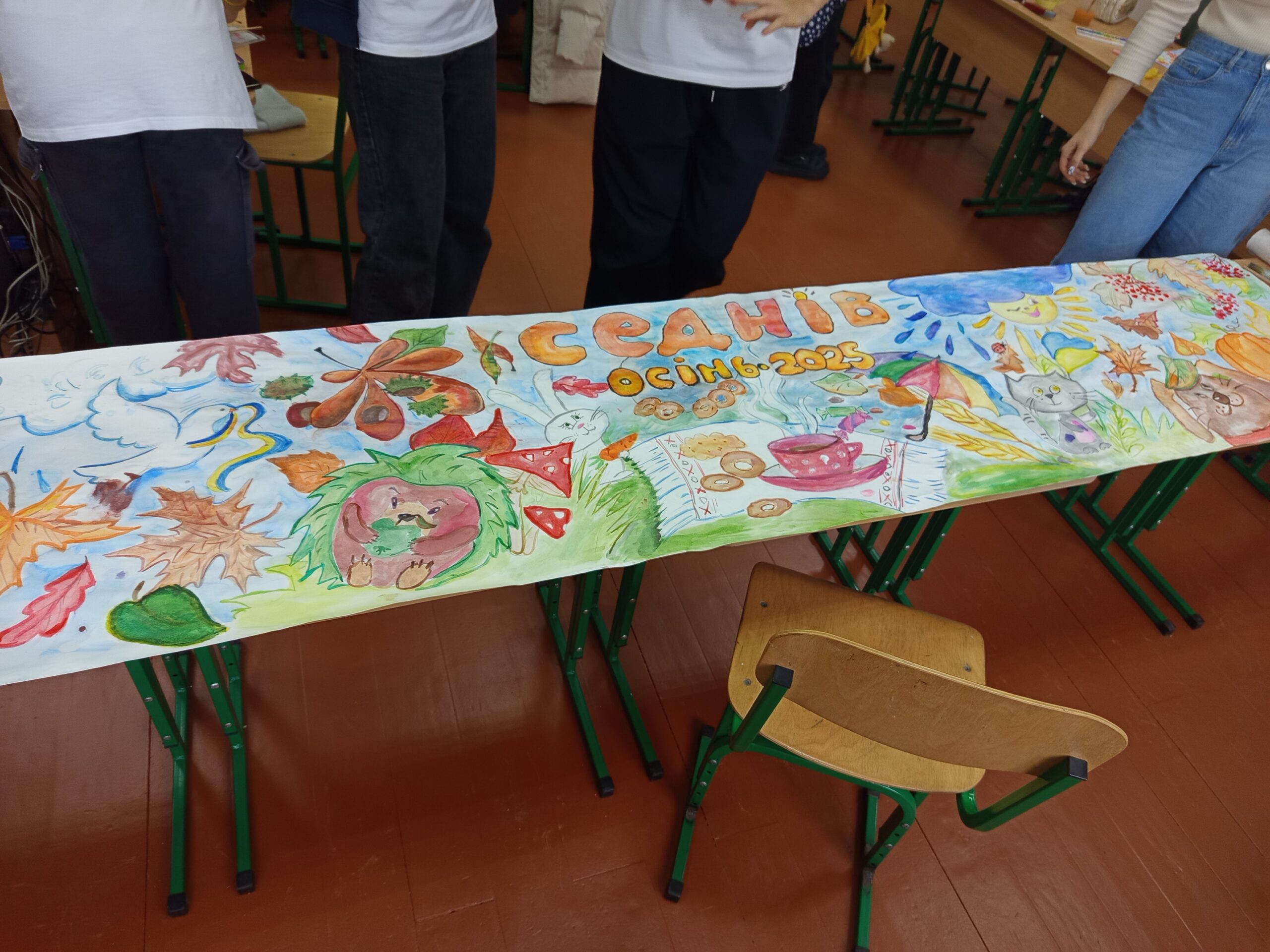
Located in the lyceum’s shelter, it has been transformed into a welcoming space with beanbags, tables, stationery, a television, a laptop, speakers and microphones. The colourful walls are decorated with posters designed by the teenagers themselves and drawings made by local children. Partition walls, installed by Yurii Vasylovych, separate the hub from the rest of the shelter.
“Local residents visit the hub regularly, but since children and young people are the main target groups they are the most frequent visitors. But anyone can come and spend time here: relax, work or attend cultural events,” Yelyzaveta explains.
For the teenagers, the hub is more than a place to meet. It is an opportunity to reconnect with their community, explore its history and create something positive in a place that has experienced so much destruction.
“Now I realise my Role is Valuable”
“Before this project, I couldn’t even imagine myself being involved in this kind of work, and I seriously underestimated my own abilities. I thought I wasn’t needed and was afraid to speak up, even though this was something I had been interested in all my life,” Yelyzaveta says.
Since taking part in UActive, she and her teammates have become increasingly involved in local decision-making. At the invitation of the Sedniv Village Council, they have joined two youth councils, with Yelyzaveta serving as chair. She has also joined the UActive alumni programme and continues to take part in other initiatives.
“Young people are now more willing to speak about the challenges our community is facing and have become more open in communication with local authorities. I also hear from the representatives of the local authorities: ”Who, if not young people, will shape our country? Adults do not always see what youth can see,” she says.
Yelyzaveta plans to leave Sedniv to attend university, but she has no intention of losing touch with her home village. After graduating, she hopes to return and continue the rebuilding of both her community and Ukraine as a whole.
She is grateful to have had the opportunity to make a difference already as a teenager.
“Programmes such as UActive has made it easier to cope with what we had experienced,” Yelyzaveta says. “Sometimes you can simply walk through the village and strike up a conversation with someone because you share a common experience – not only a tragic one, but an experience of taking part in something positive and meaningful.”
The “Schools for Democracy” Programme is implemented by the European Wergeland Centre in cooperation with the Ministry of Education and Science of Ukraine, Center of Education Initiatives (Lviv), Step by Step Foundation Ukraine (Kyiv), SavED (Kyiv) and Step by Step Moldova (Chisinau). The programme is funded by the Nansen Support Programme for Ukraine. The Nansen Programme belongs to the Norwegian Agency for Development Cooperation (NORAD).