
It is Just a Joke – Or is it?
Young people take a stand against prejudice
By Veslemøy Maria Svartdal
A slur on the football pitch. A joke about someone’s background. A meme shared among classmates. For many young people, these situations are part of everyday life. But where is the line between humour and hate speech? For a group of Norwegian and Polish teenagers, this question is the starting point for exploring prejudice, racism and antisemitism – and what they can do to challenge it.
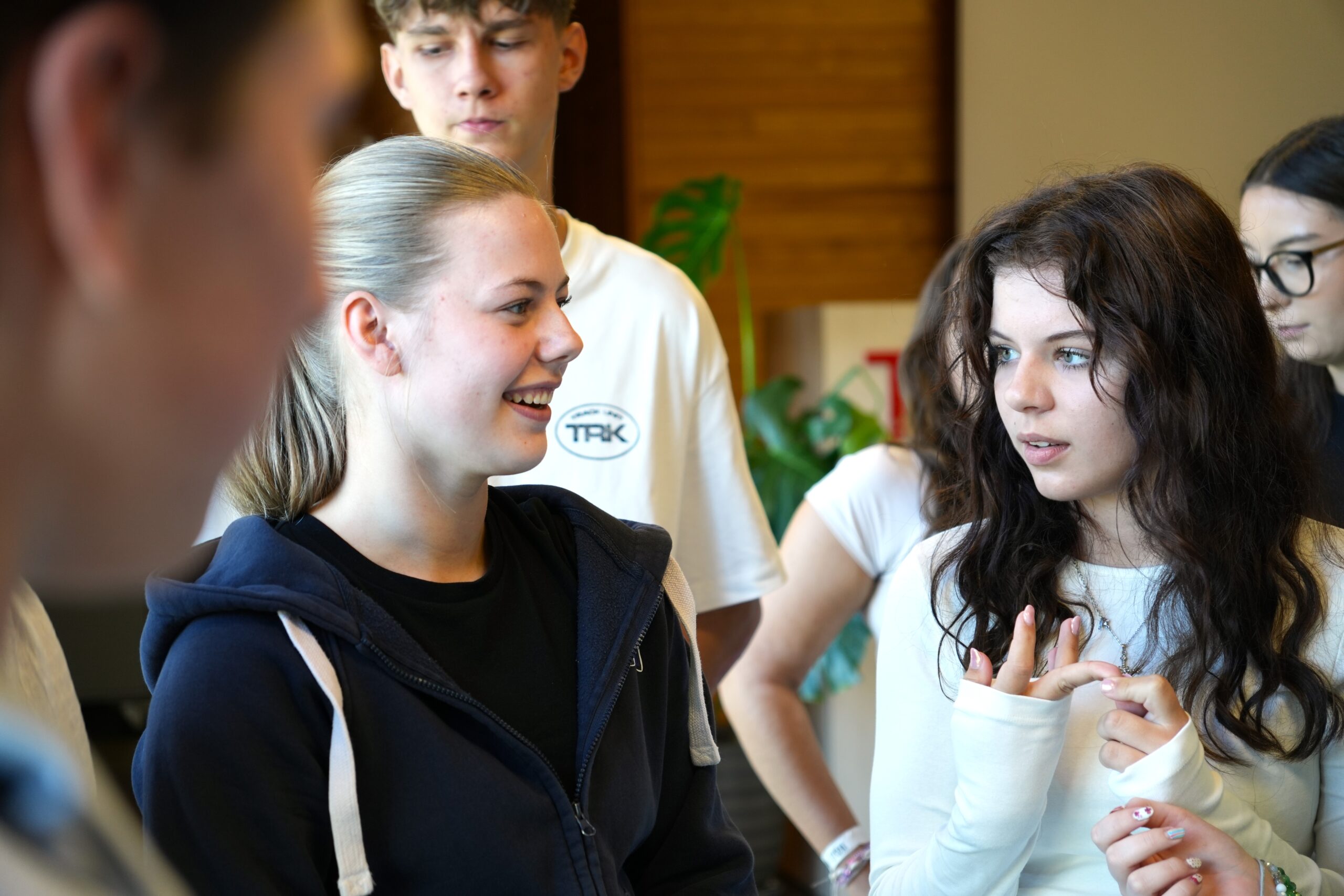
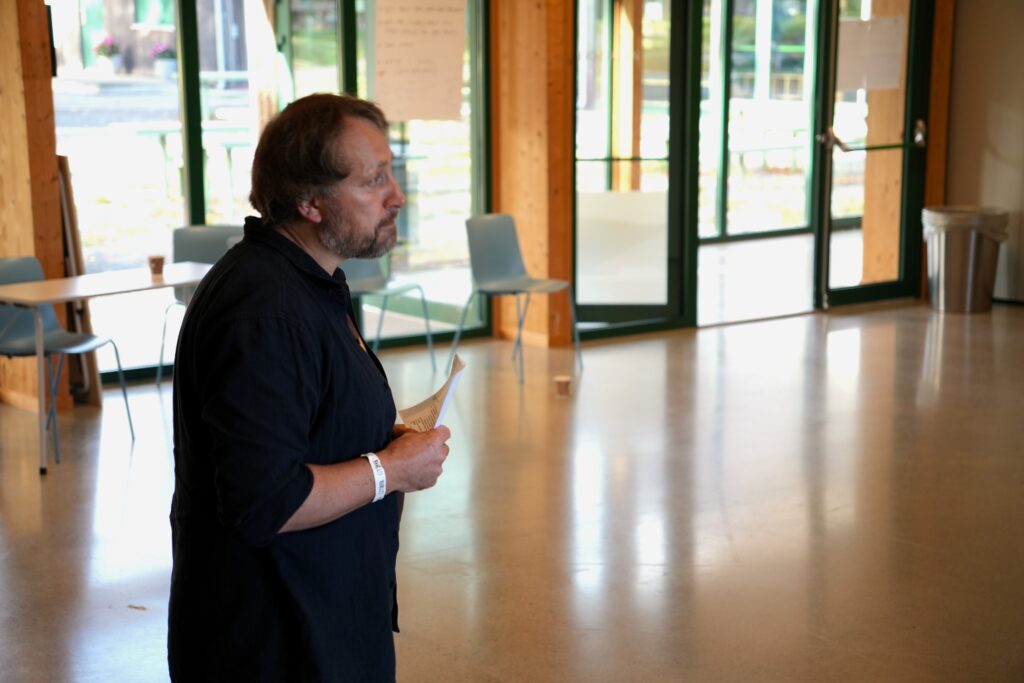
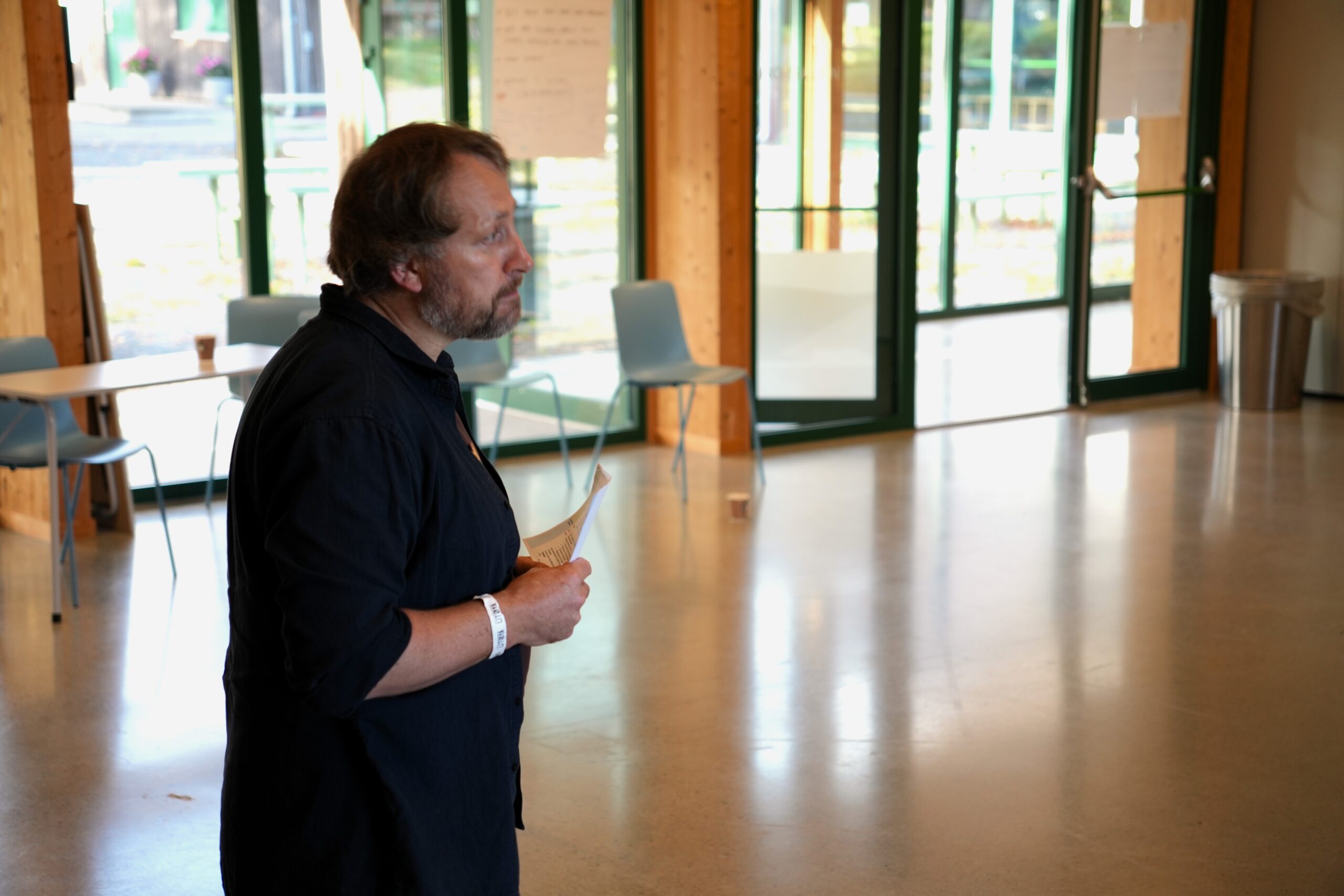
“Have you ever been stereotyped in your life?” asks trainer Marius Thoresen.
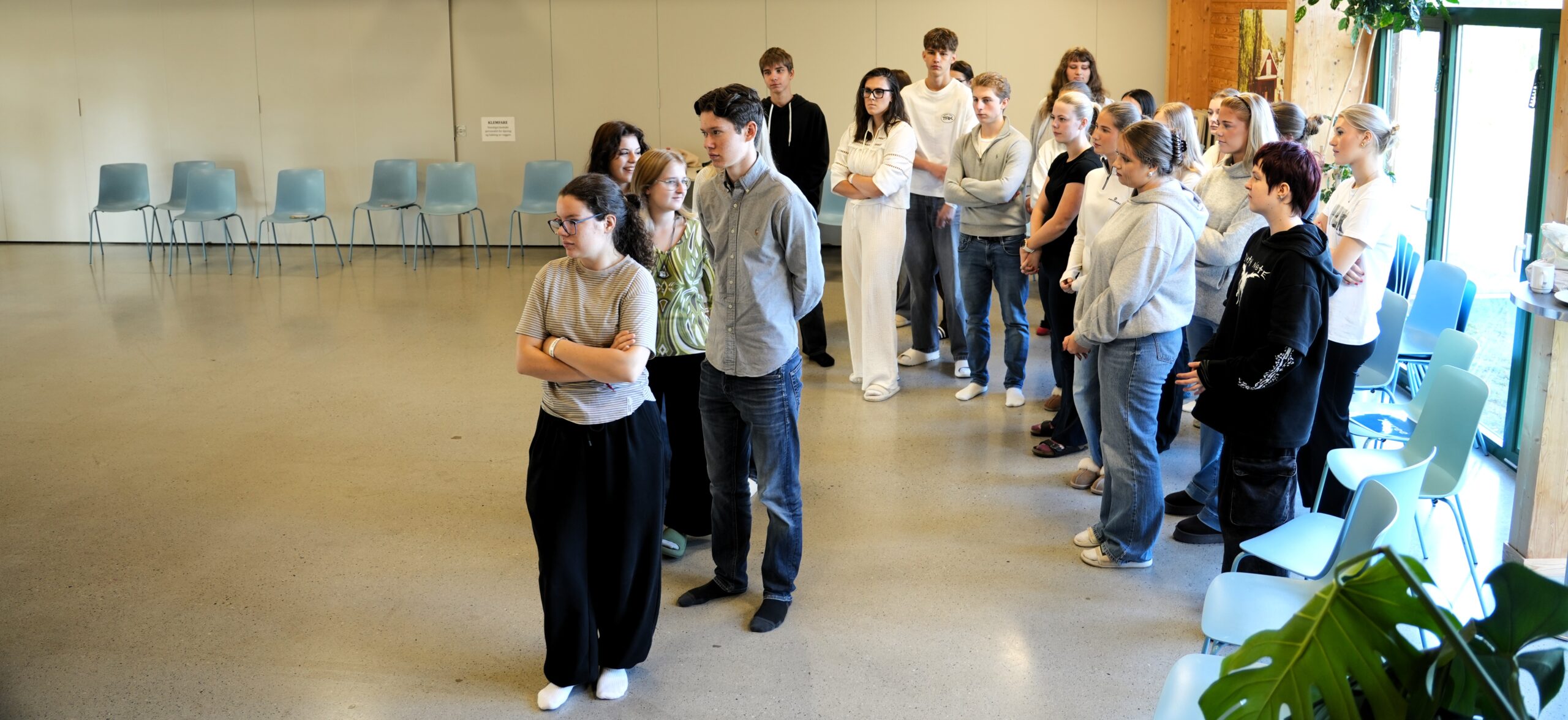
A group of Norwegian and Polish teens laugh exasperatedly and move to the left corner of the room. This corner means “Yes”.
“People think I’m spoiled because I’m an only child,” one Polish girl explains.
Smiling, a light-haired Norwegian girl joins in:
“Because I’m blond, people assume I’m stupid. But that is not true!”
Outside the large windows of the Utøya learning centre, autumn leaves gently sway in the trees. In 2011, this was the site of a terrorist attack which claimed the lives of 69 people, most of them teenagers. Today it is the site of “Fighting Antisemitism, Xenophobia and Racism Now!” – a collaboration between The European Wergeland Centre and Polin Museum of The History of Polish Jews.
“Have you ever stereotyped someone?” Marius continues.
The laughter dies down.
Feet start to shuffle towards the “No” corner, but they stop halfway. No one seems willing to claim they have never stereotyped anyone.
Recognising Prejudice in Everyday Life
The “Fighting Antisemitism, Xenophobia and Racism Now!” project, with its long name, has a long history to match. It started as a cooperation between the POLIN Museum and the Wergeland Centre in 2015 and is now in its fourth cycle.
Bringing together students from Polish and Norwegian upper secondary schools, the project explores how historical events connect to challenges in today’s society. Through discussions and engaging activities, young people examine how stereotypes, prejudice and hate speech can contribute to discrimination and violence.
During the course of one year, the students meet each other for a workshop at Utøya, before going home to work on youth-led projects designed to tackle xenophobia in their local communities. At the end of the initiative, the participants reunite in Warsaw to share what they have learned.
For many, the opportunity to spend time at Utøya makes the experience particularly meaningful.
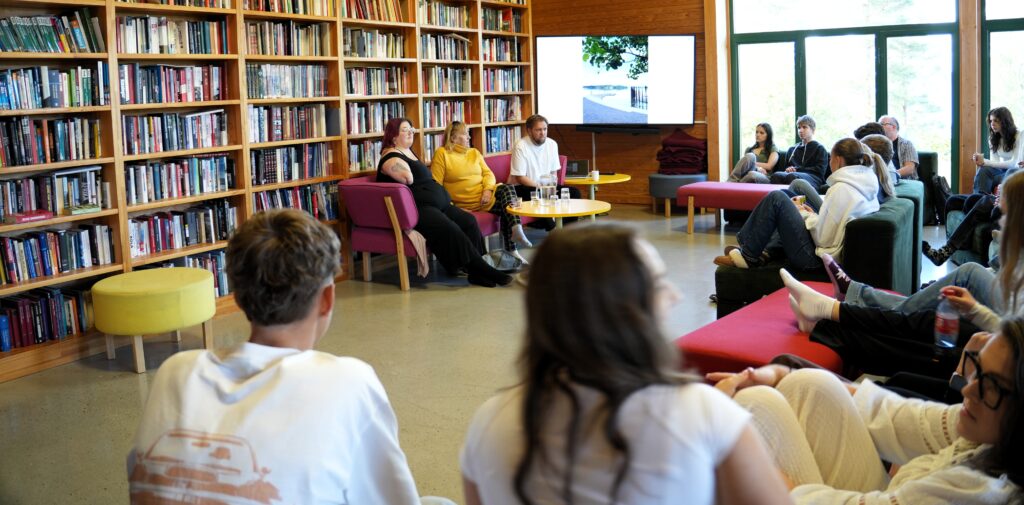
“Before I came here, I associated Utøya just with the 2011 attacks, but coming here made me realise that a lot of great things also happened here,” says Sasha, a Norwegian participant, referring to the island’s long history as a centre for youth engagement and political debate.
“It is so nice to have workshops here to really understand why these things happen, and what we can do to prevent it. It is also really nice to meet new people and have this cross-cultural exchange.”
While the Norwegian participants were familiar with the terrorist attack, the Polish students knew little about Utøya before joining the project.
“We don’t really talk about Utøya that much, but when we heard about the programme, we started researching it,” Miriam from Poland explains. “I don’t think I ever would have gone here without the project, but I’m happy I got the chance to learn the story. Now I can spread this important knowledge to others.”

When Does a Joke Cross the Line?
Across Europe, antisemitism, racism and xenophobia remain serious challenges. In its 2025 annual report, the Council of Europe’s European Commission against Racism and Intolerance warned of alarming levels of hate speech and its growing normalisation. Xenophobic rhetoric has become more prevalent, particularly online, with migrants and foreign nationals among those targeted by political messages based on negative stereotypes and misinformation.
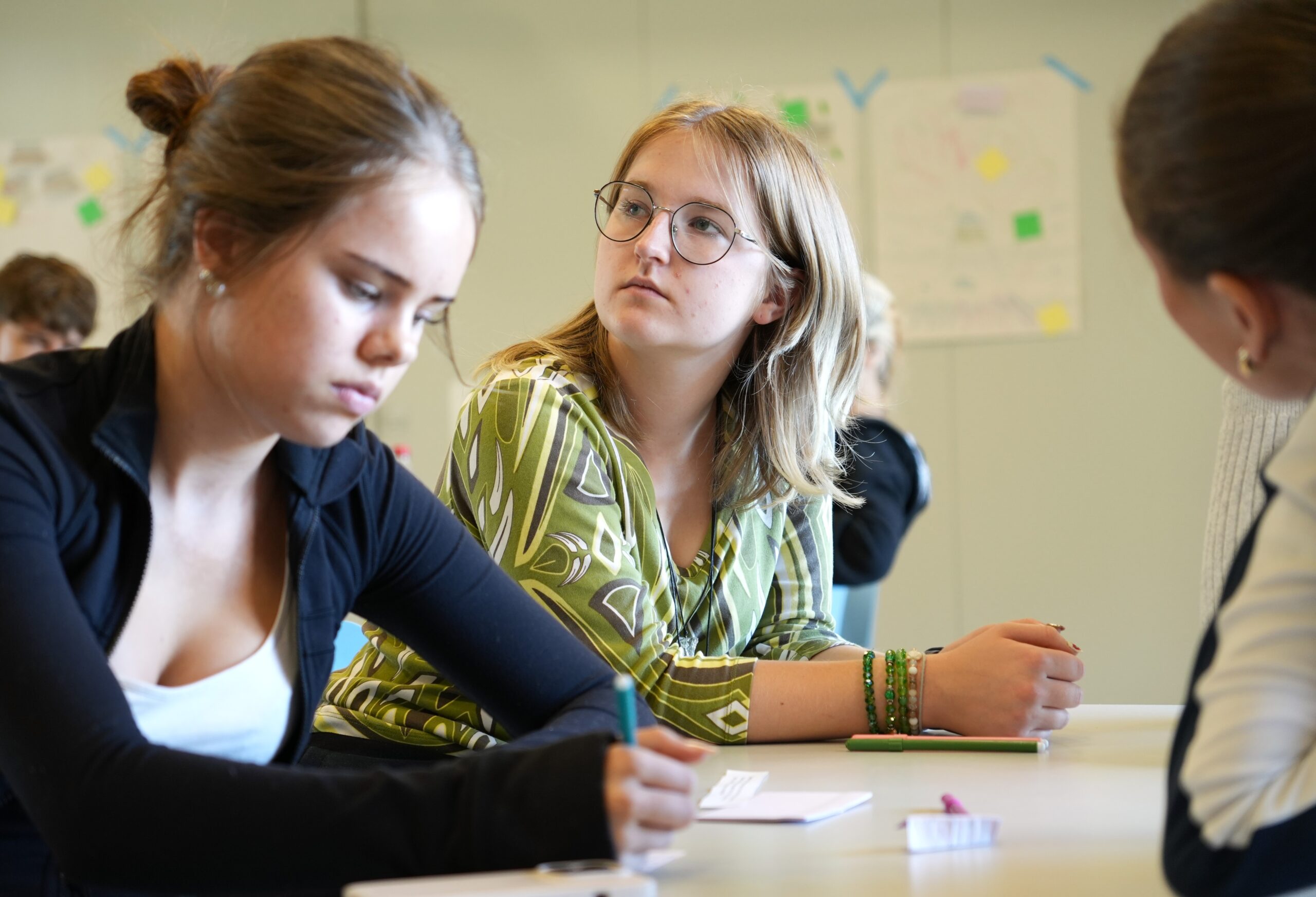
In discussions at Utøya, students from both Poland and Norway described how slurs and derogatory language are part of everyday conversations at their schools. Often, these words are used jokingly. But when does a joke cross the line into hate speech?
“Before we came to the island we discussed if hate speech takes place in our school. At first, we thought: ‘No, not really’ but then we thought more about it and – it is!” Norwegian participant Julie exclaims.
“In a friend group everyone can be thinking: ‘Oh, this is just a joke. Everyone knows that we are joking.’ But maybe one person in the friend group takes the joke seriously and actually agrees. Then they will think their attitudes are okay and maybe act on it.”
“Of course, we cannot always be serious and not joke about anything at all, but if there is no humour in it, we need to draw the line and say: ‘That is not acceptable,’” says Sasha. “It is important to discuss these small habits that people have, like making jokes, because it all stems from stereotypes and that can lead to discrimination. At worst, it can escalate into something really serious, like the attacks here at Utøya.”
Difficult Questions
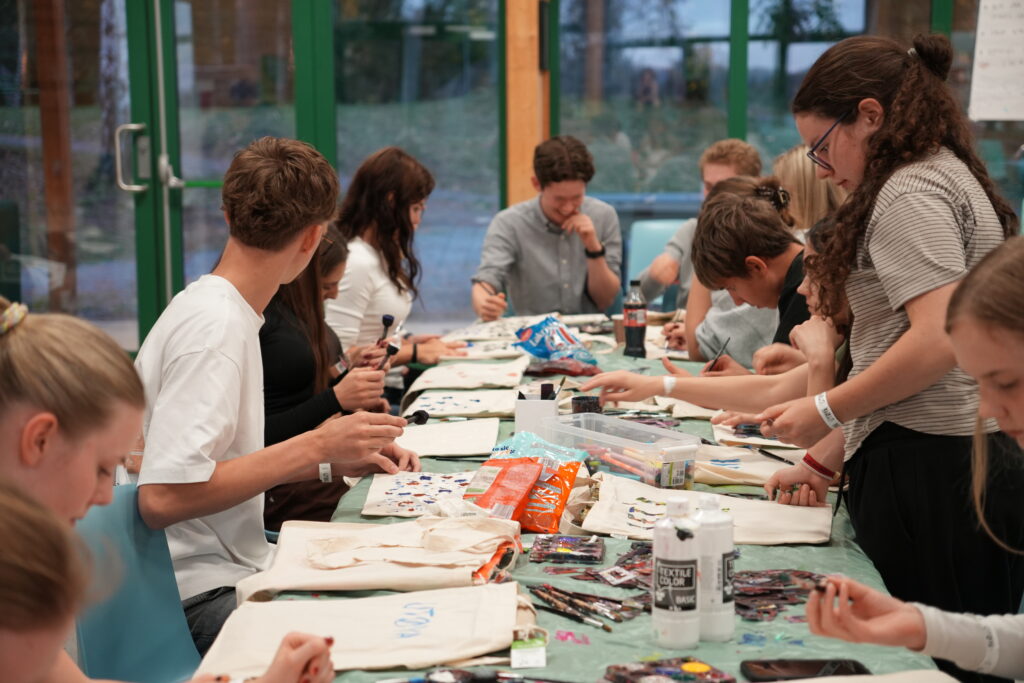
Over the three days of participatory activities and discussions at Utøya, a team of experienced trainers in democracy and human rights encourages the students to examine how stereotypes and hate speech appear in their everyday lives.
A Black football player facing discrimination on the pitch. The word “Jew” used as an insult. Classmates sharing memes making fun of historical atrocities. These are not just hypothetical scenarios, but situations the students have encountered themselves.
The discussions also raise difficult questions. Which is more harmful: the most hateful statement, or the one that reaches the largest audience? Should public figures be expected to tolerate more hateful comments than others? Should we accept language simply because it has become normalised? And when does the defence of free speech become a way of excusing hatred and intolerance?
The students are not expected to have all the answers. Instead, the discussions are a starting point for what comes next.
How to turn Reflection into Action
“The aim is to make you really, really proud of what you have done. It can be a very small step or a big leap towards a better world,” says Polish trainer Dominika Cieslikowska.
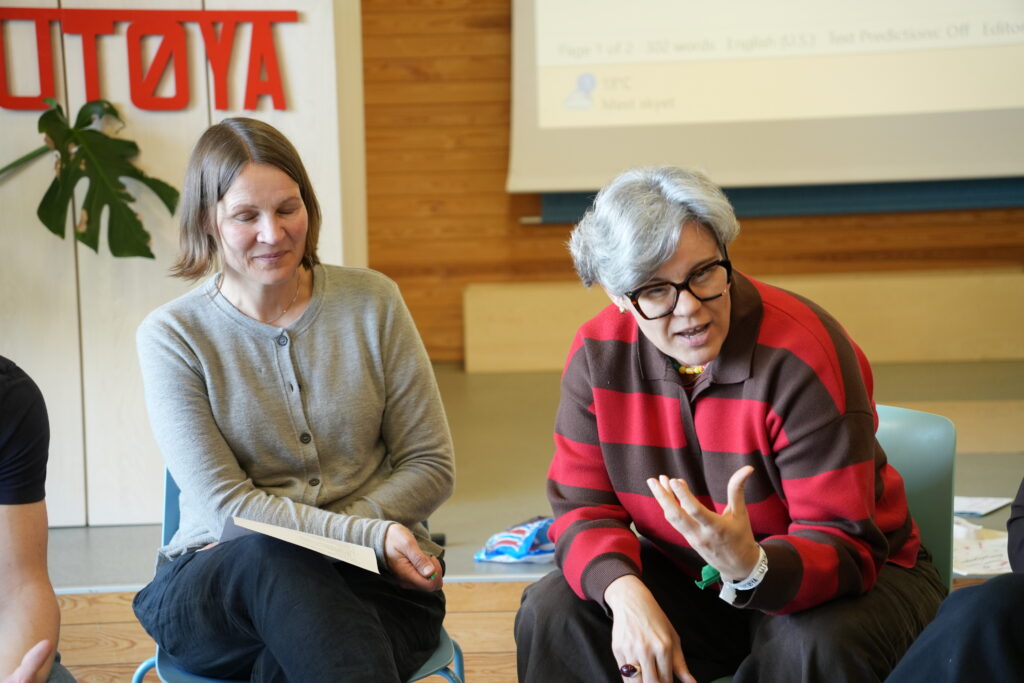
The learning does not end when the students leave Utøya. Through student-led local projects, the participants will share what they have learned to the rest of their schools.
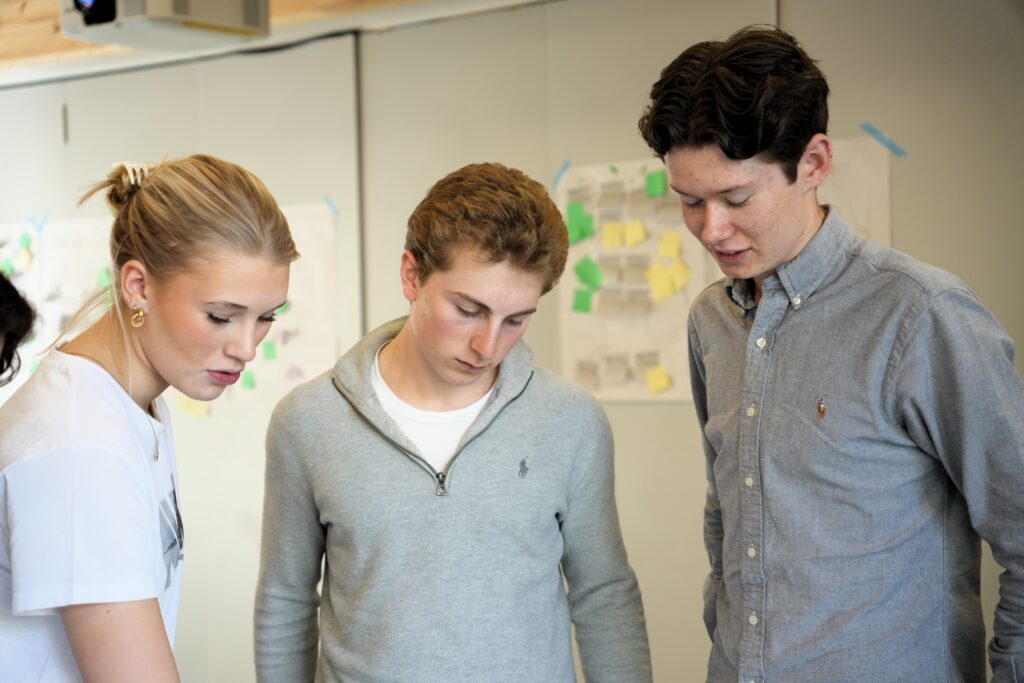
Sitting in groups, and with the aid of their teachers, the participants make the first outlines of what will occupy them the next months. Some want to distribute questionnaires to their fellow students and use the results as a starting point for discussion. Others plan to create posters about xenophobia together with younger pupils, or produce a film to raise awareness.
For Weronika, a participant from Poland, the first step is making sure people understand why these issues matter.
“I think it is important to talk about these topics. We need to learn why we think like this, why do other people think this way, and why things like these happen. Many people think it is a thing of the past, but it is actually an ongoing problem.”
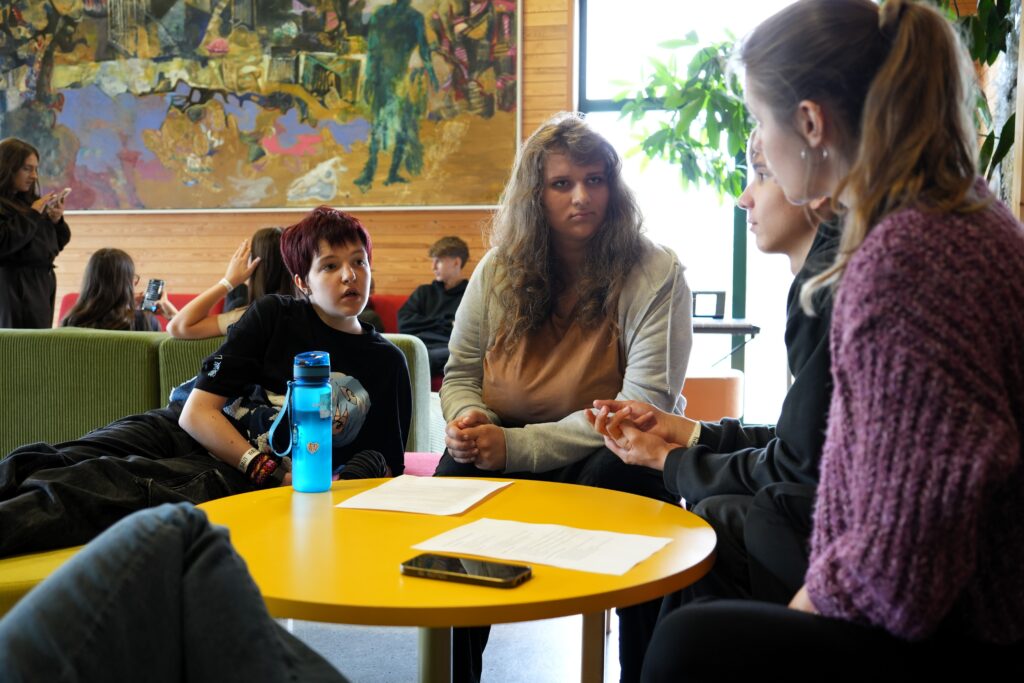
Norwegian participant, Paul, agrees:
“Small slurs in everyday life, small comments, are something we do a lot. It can happen very easily. We don’t really think about the effect it has on other people. It is important to create awareness around these topics, so people really start to think about what they are saying, how they act and how they treat other people.”
Finding Common Ground
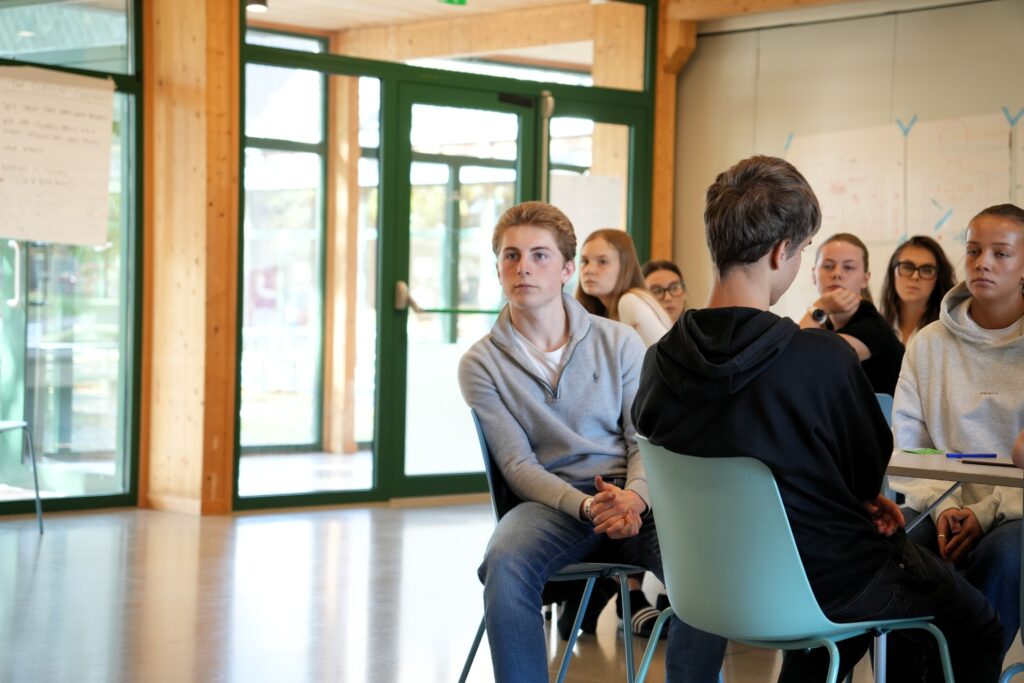
Over three days in Norway, Julie, Miriam, Weronika, Sasha and Paul – along with the other Polish and Norwegian participants – have become close friends. Staying up late, playing ping-pong and sharing stories about their lives, they have discovered that they have more in common than they might have expected.
“I don’t think there are many differences between us. We reflect on the same topics. We can talk freely and most of the time we have the same ideas and same values,” says Paul.
For Miriam, the prospect of continuing the exchange in Poland is one of the most exciting parts of the project.
“I am very happy that it does not end here, and that the Norwegians will be able to come to Poland, so we can explore both countries. This has been a very enriching opportunity for everybody, not just in regard to the project, but also for us as teenagers. We can meet new people, have new experiences and have fun together.”
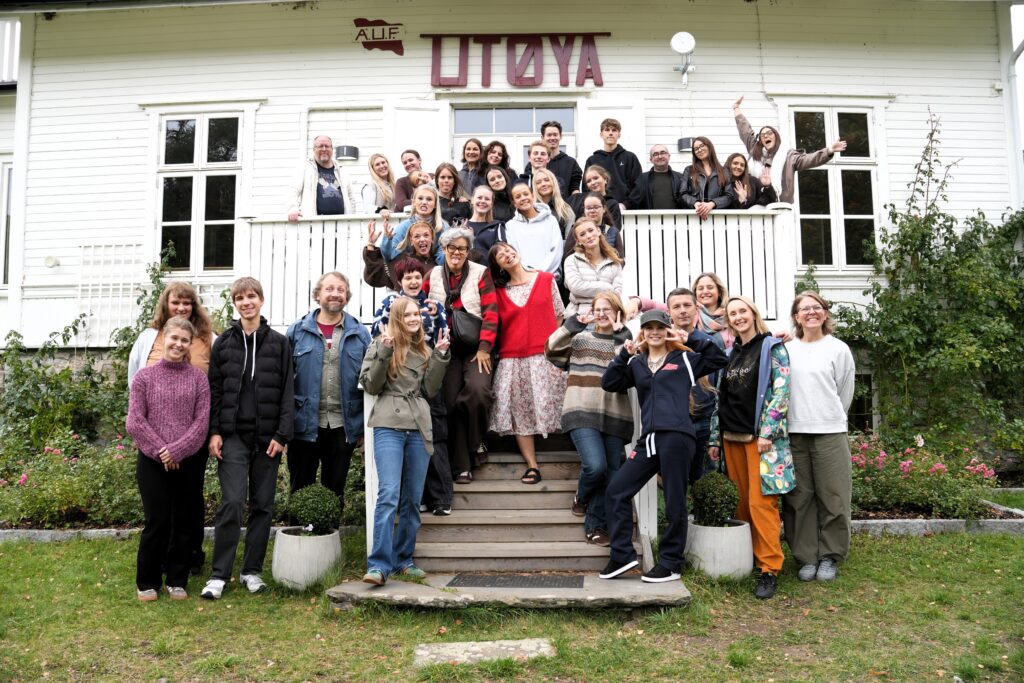
Changing attitudes does not happen overnight. But it can start with a conversation, a question or someone speaking up when a joke goes too far.
“Not one single school can change the whole world overnight, but we are three different schools from Norway and three more from Poland, we are starting somewhere,” says Julie.
Sometimes, starting somewhere is exactly what it takes.
“Fighting Antisemitism, Xenophobia and Racism Now!” is a part of the Jewish Cultural Heritage programme, an initiative led by POLIN Museum of the History of Polish Jews, with The European Wergeland Centre as a key strategic partner.
The Jewish Cultural Heritage programme is funded by the EEA and Norway Grants.