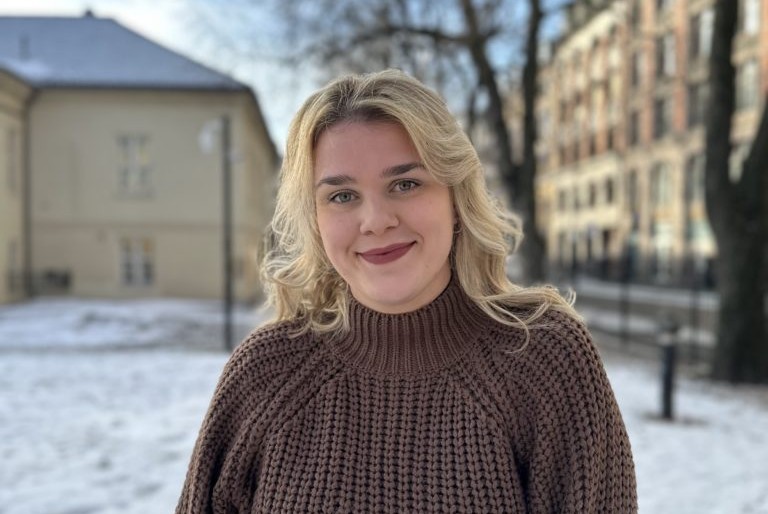
Meet our Team: Marianthi Antoniou
“I would like everyone to realise their full potential and be able to acknowledge the power that small interactions, decisions, and even everyday actions can have at home, at work, in the family and in the society.”
Who are you and what is your role at the Centre?
Γεια σας! (Ya sas!)/ Hello 😊
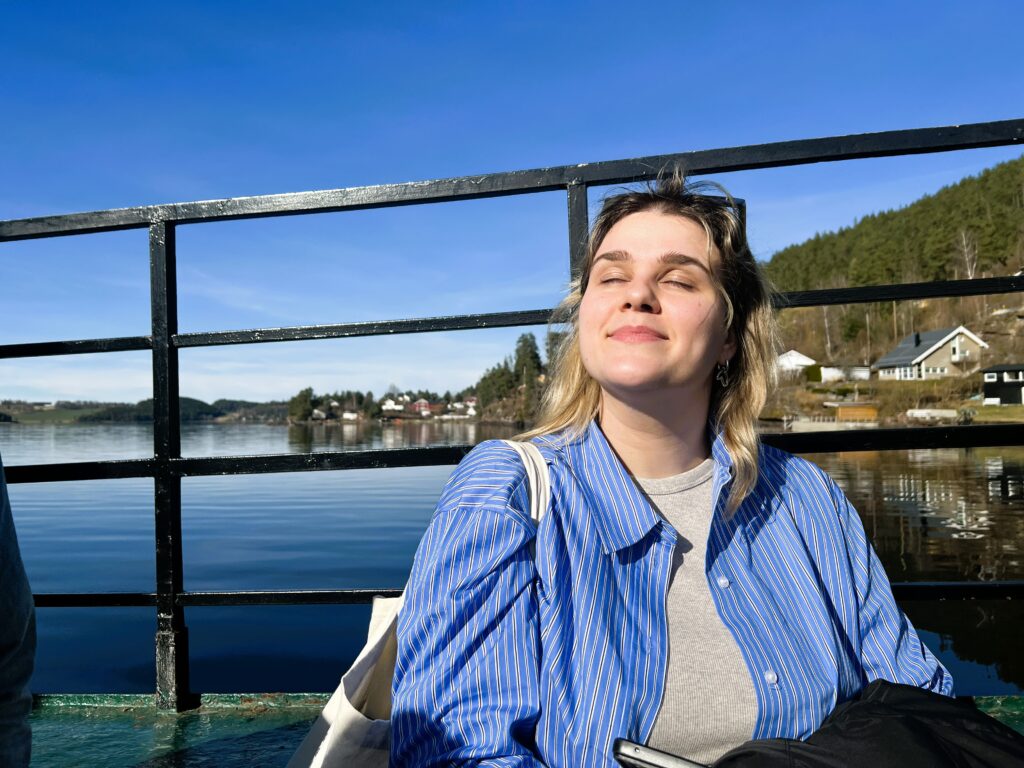
My name is Marianthi Antoniou. I am originally from Greece and have been living in Norway since 2022. I hold a Bachelor’s degree in Educational Sciences, with a minor in Leadership and Management, and a Master’s degree in Human Rights and Multiculturalism.
So far, I have chosen to focus and work in a variety of educational roles, continuously learning, being trained and train others, and exploring different approaches to teaching and learning. I strongly believe that educators should also be lifelong learners, and I have always sought opportunities to develop both professionally and personally within education. As a teacher and educator, I am passionate about creating meaningful learning experiences, connecting with people, and building inclusive communities, with a particular focus on child and youth participation.
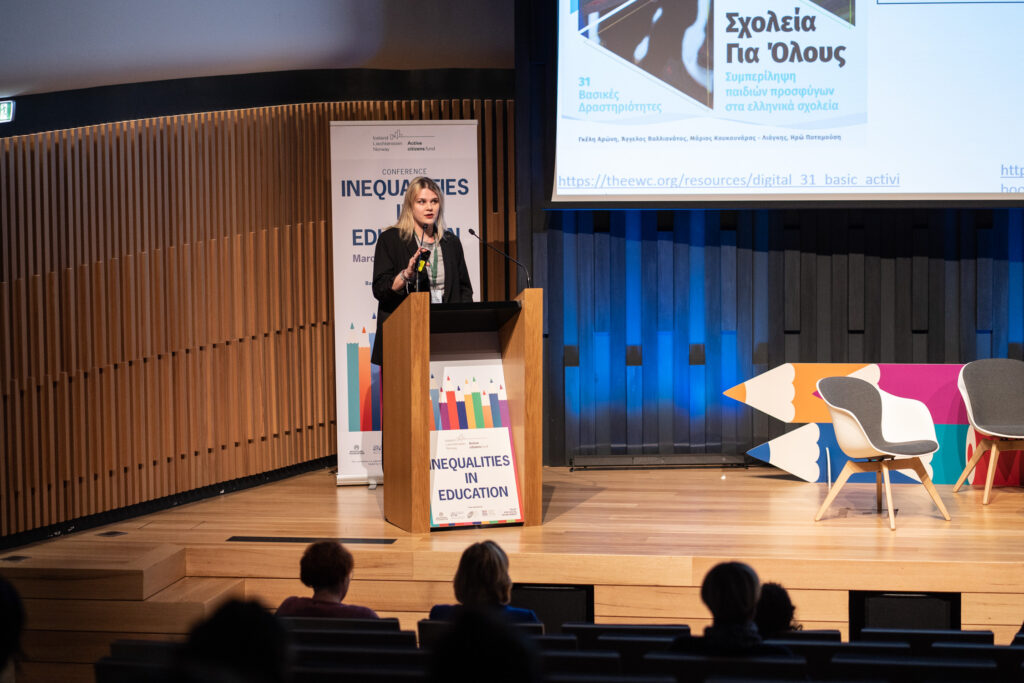
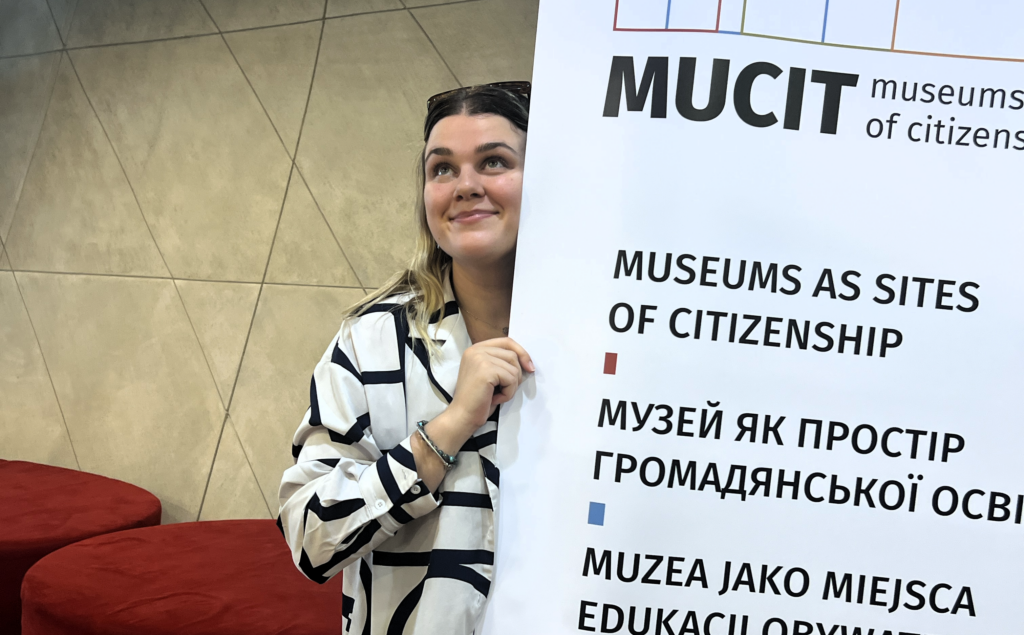
Currently, I work as a Project Officer at the European Wergeland Centre, coordinating and contributing to European projects on inclusion, participation, and education for human rights and democratic citizenship in Greece, Poland, Ukraine, and Norway, including Jewish Cultural Heritage , Classrooms against Bullying, AIEdu and MUCIT: Museums as Sites of Citizenship.
Through these projects, I work on a wide range of topics, including violence and bullying prevention in schools, child and youth participation, democratic competences, and the opportunities and challenges that emerging technologies, such as artificial intelligence, bring to education. More recently, a part of my work has focused on exploring the links between non-formal education and culture, particularly in the museum sector, and how museums can serve as spaces for democratic learning, participation, and dialogue when it comes to cultural heritage.
All of my work at the European Wergeland Centre has given me new perspectives, ideas, and even more motivation to contribute to the field!
Why did you want to work at the Wergeland Centre?
My journey to the European Wergeland Centre began during my Master’s studies in Human Rights and Multiculturalism at the University of South-Eastern Norway (USN) in Drammen in the summer of 2023. Looking for an internship that combined education, human rights, and democracy, I reached out to the Centre on my own initiative. I am thankful to this day to the Centre for seeing, believing in me and supporting me throughout my studies!
That experience confirmed that the Wergeland Centre’s mission and values were closely aligned with my own. Three years later, I work as part of the team in the role of a Project Officer. Today, I have the chance to combine my background in education with my long-standing commitment to human rights, democracy, inclusion, and active citizenship, while working on projects that support educators, children, and young people across Europe.
My work at the European Wergeland Centre continues to give me new perspectives, ideas, and motivation to contribute to the field. I remain grateful to the Centre for seeing potential in me, believing in me, and supporting me throughout my studies. It has definitely been a journey.
What topics/questions are you most passionate about when it comes to democracy, education and human rights?
I would like everyone to realise their full potential and be able to acknowledge the power that small interactions, decisions, and even everyday actions can have at home, at work, in the family and in the society. “Lead by example” is a phrase that has followed me throughout all these years, and I believe it holds so much power and potential, although we do not always realise it.
In a world of uncertainty, human rights violations, insecurity, and war, democracy is not an option but a necessity. Practising democracy is not always easy; it takes time and active effort. It needs training, like any other skill we wish to develop. It also requires us to listen, question ourselves, and sometimes step outside our comfort zones, which can be challenging. However, when each one of us has access to the space and opportunities to recognise our role and responsibility, the whole picture can start to change. At the same time, this realisation is still far from being universal.
My perspective does not come from an idealistic view of the world, but from a genuine care for our everyday lives, our communities, and the way we interact with each other. This is also where I see the European Wergeland Centre connecting values, action, and care in the field of education, creating spaces where people can learn, reflect, participate, and contribute to more democratic and inclusive societies.
What are people most often surprised to learn about you?
That is a tricky question! One thing that almost no one guesses is that I am from Greece. Another is that the places where I feel most like a local or most at home are not in Athens, but in Akrata, Kraków, and Azé, a small village in France.
P.S. I also have a hidden talent: packing the trunk of a car for long trips in true Tetris style. No matter how many bags we have, I always seem to make everything fit!
What is a book that everyone should read?
Maybe I’m a bit biased because I enjoy exploring different pedagogical approaches, but at this moment I would say Pedagogy of the Oppressed by Paulo Freire. What I particularly appreciate about this book is not only its ideas about education, dialogue, and empowerment, but also the many discussions and different perspectives it can inspire and bring to the surface.
I think a valuable book is often one that makes us reflect, question our assumptions, and engage in meaningful conversations with others, especially when our perspectives differ.
What advice would you give your younger self?
“Don’t let anyone convince you that dreaming is not for you.”
I would remind my younger self to stay curious, trust the journey, and not be afraid to follow opportunities that may lead somewhere unexpected. Some of the most meaningful experiences in my life came from being open to change, taking risks, and believing that new possibilities could become reality.
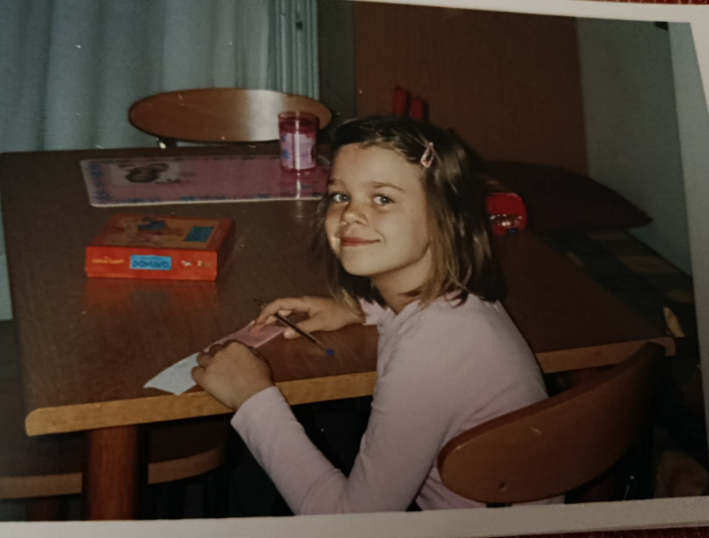
Thank you, dear Veslemøy, for creating this public space for all of us to talk about our lives, both within and outside the European Wergeland Centre. We all have a connection to the child we once were and to the person we are today. I believe we can always return to these summer interviews and find motivation, inspiration, and encouragement to continue moving forward.