When the Kids Have a Seat at the Table
How can young people influence political decisions? At the democracy workshop on Utøya, youth councils learn to use their voice – an important skill when advocating for young people’s interests back home.
by Veslemøy Maria Svartdal
Across the country, municipalities are struggling financially. High interest payments and rising costs have led to deficits, forcing many to make difficult budgetary choices.
Youth councils fight to ensure that the interests of children and young people in their municipalities are protected.
“Previously, we had the impression that the municipal economy was doing fine. No cuts. We were just supposed to build new things. Us kids agreed to that. Then came the small, incremental cuts, like students having to clean their own desks. Fewer resources here. No gifts there. But when we saw this year’s budget, we thought it was a joke,” says Vetle Walseth Gran, leader of Lørenskog Youth Council.
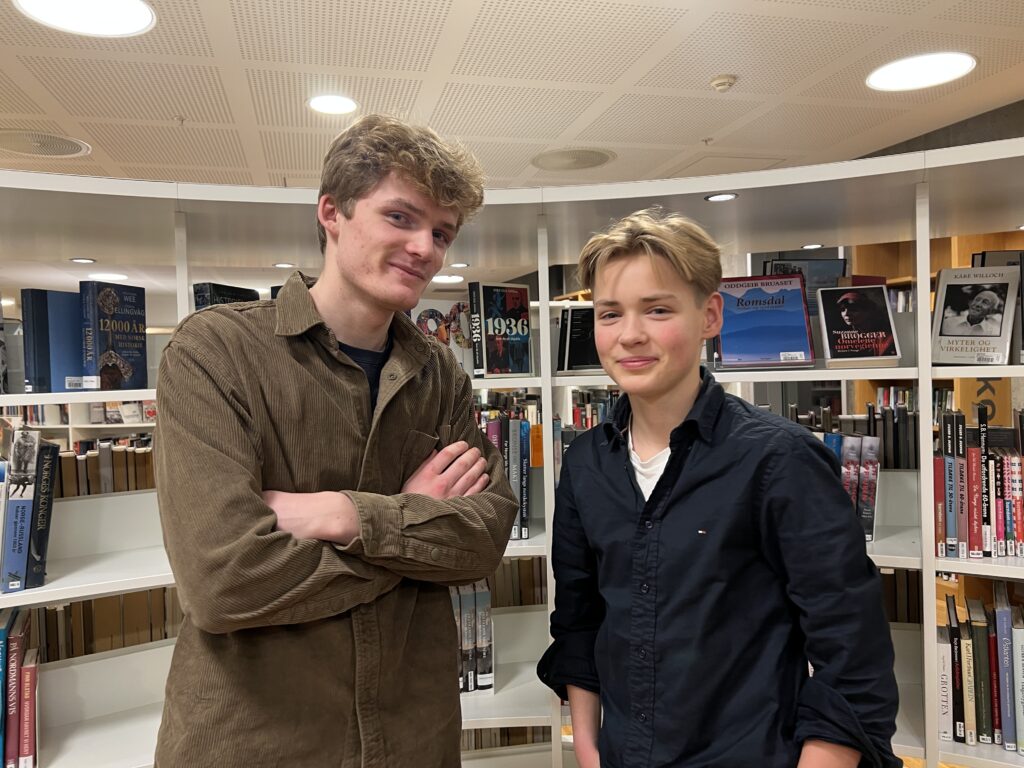
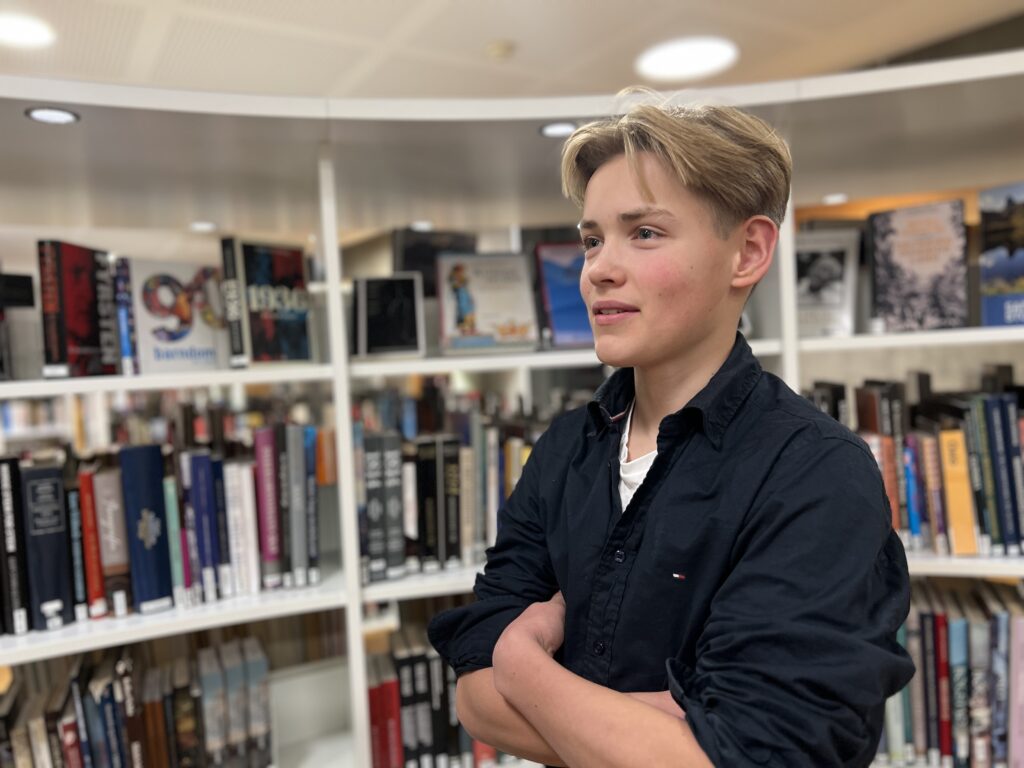
At the end of 2025, The Wergeland Centre met with Vetle Walseth Gran and Council Member Sander Pryser Weinholdt in one of Lørenskog Library’s meeting rooms. Today, the library is open every day, but in the budget they are opposing, it is proposed to reduce opening hours to only two days a week.
That same fall, it became known that Lørenskog’s municipal finances were in deep crisis. An unfortunate mix of high costs, increased interest payments, and lower tax revenue had drained the municipal coffers.
PHOTO: Youth council leader Vetle Walseth Gran (left) and council member Sander Pryser Weinholdt
Without drastic measures, all non-mandatory services risked being shut down: no youth clubs, no preventive services for vulnerable teens, and no grants for sports, culture, or volunteer organisations.
Municipal Director Ragnar Christoffersen described the budget as brutal and did not recommend its adoption.
For Sander, the worst proposed cut was to the municipal library.
“There is a lot of focus on reading in school, but there is no proper school library. If this is reduced, how will young people get access to books, which are such a major factor in education?” he asks.
Democracy Workshops for Youth Councils
Since 2019, all municipalities and counties in Norway have been legally required to establish their own youth council. These councils have the right to be included in political processes and consulted on matters affecting children and youth. They represent all young people in the municipality and sit at the same table as adult local politicians.
That same year, The Wergeland Centre and its partners began organising democracy workshops on the island of Utøya for youth councils. The programme is free and supported by The Savings Bank Foundation through the project “Young Peopl who Change the World.”
Mahira Karim, project manager and advisor at The Wergeland Centre’s Youth Section, says that a well-functioning democracy depends on all societal groups having the opportunity to shape their surroundings. Young people are not just citizens of tomorrow—they are citizens here and now.
“By legally establishing youth councils in all municipalities, Norway sends a clear signal that young people’s voices must be taken seriously. This is an important step forward, showing a targeted effort toward youth democracy and real participation. At the same time, work remains to ensure that all young people feel heard and included in decision-making processes affecting them,” she says.
Mahira explains that even though youth now have a platform to influence their local community, council members often lack thorough training in raising political issues and arguing for their opinions.
“Many also report that they do not always know what it means to be a council member,” she says.
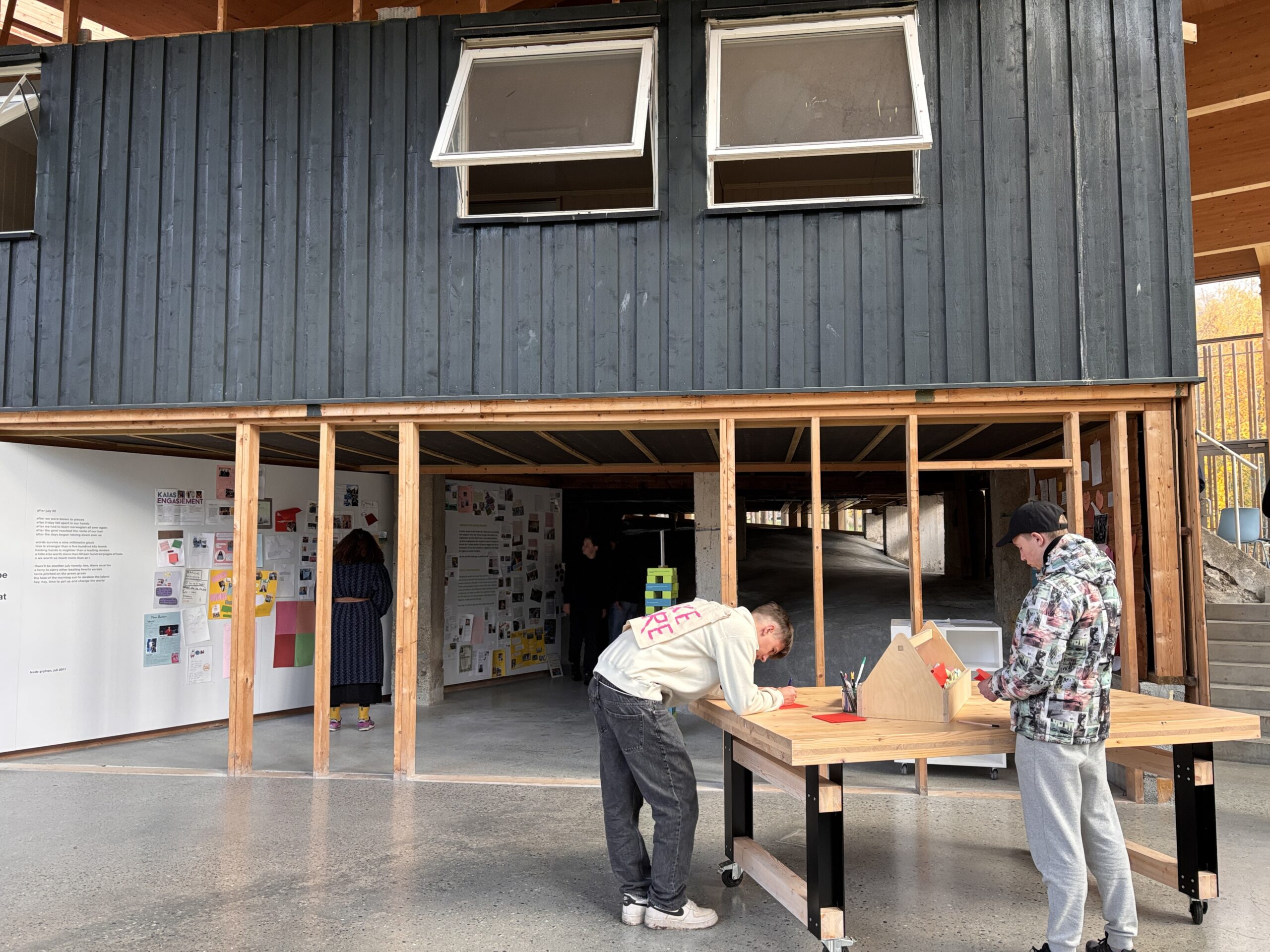
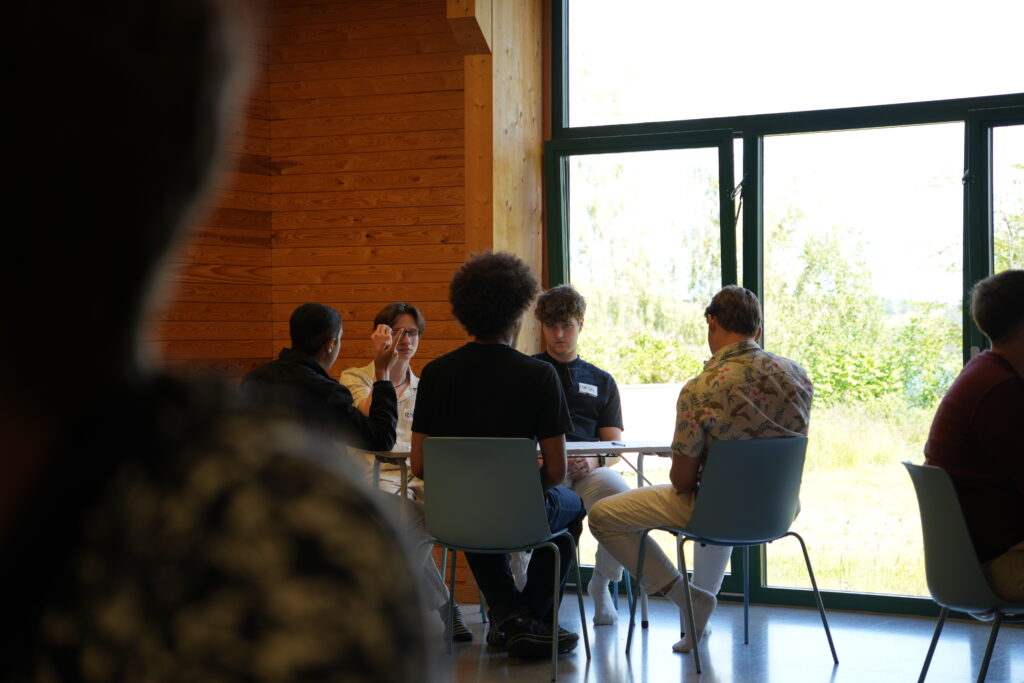
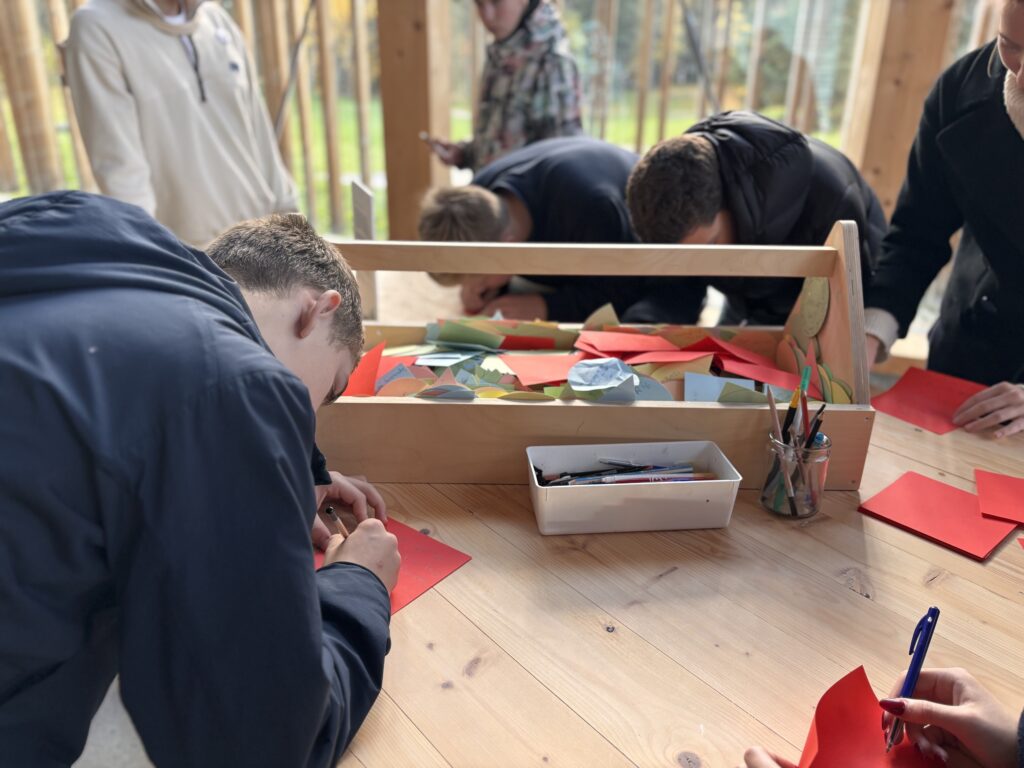
At the democracy workshops on Utøya, youth councils learn through interactive exercises how to argue for their opinions, handle disagreement and manipulation, identify challenges in their communities, and find solutions. They also meet youth councils from other parts of Norway to share experiences.
Mahira emphasizes that at a time when many young people feel their voice doesn’t matter, youth councils are an important arena. Here, youth can take part in concrete political processes and have a real opportunity to influence their daily lives, as long as they are listened to.
“Young people should not just be on display. They represent everyone in the municipality without voting rights and must have real participation and experience democratic empowerment,” Mahira says.
Not Just a Token Council
After a meeting in Lørenskog Youth Council, the young people immediately began campaigning against the budget cuts. They went from school to school collecting signatures for a petition and participated in demonstrations and debates.
In the end, they gathered 2,000 signatures.
At the same time, the youth council realised it was important to meet politicians with concrete proposals. They created a priority list of ten points they could use their unique position in the municipal administration to advocate for.
Vetle and Sander say that while they previously felt like a token council, politicians in Lørenskog have increasingly taken them seriously in recent years, especially as budget cuts directly affected children and youth.
Several times, input from the Youth Council has been referenced from the politicians’ podium.
“We have been good at conveying our message and engaging others. Several council members have been to Utøya and gained inspiration and useful experience in having their voices heard. When we have protested against cuts, we received support on almost everything,” says Vetle.
Valuable Lessons from Utøya
On the other side of Hardangervidda lies Alver municipality. Like Lørenskog, this West Coast municipality has struggled financially in recent years. In 2025, the crisis hit hard. Consulting firm PwC proposed extensive cuts to save the municipal economy, with the largest cuts affecting children and youth.
“The first thing we had to do was get an overview of what cuts would affect us. It was a bit shocking to see how many cuts were directed at kids,” says Isak Johan Friis Thomassen, Leader of Alver Youth Council.
Like Lørenskog, Alver Youth Council realised they had to reach out to children and young people and explain what the cuts would mean. They made a video explaining the budget proposal and encouraged young people in Alver to get in touch.
The Council also entered into dialogue with politicians, presenting a list of measures they believed were essential to preserve.
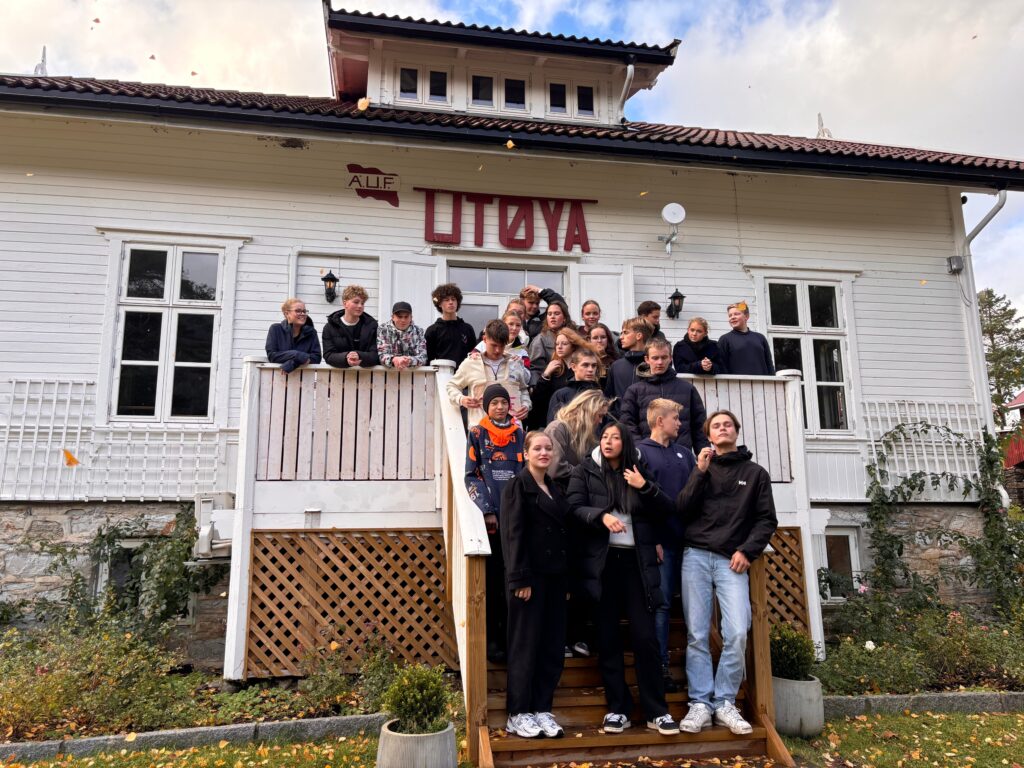
PHOTO: Alver Youth Council
“We tried to come up with alternative solutions and help the politicians,” says Isak. “If we kept some things, we could cut somehwere else or find alternative revenue options like property tax. We tried to be flexible, and just say: “No cuts. No cuts.'”
Alver Youth Council has also been visible in the media, representing the views of children and youth. Both Isak and deputy Elias Ådlandsvik Askeland have previously participated in democracy workshops on Utøya and applied what they learned in the fight against budget cuts.
“We received good training in how us teens have a voice and how we can make change. We learned how to argue a case and good debating techniques,” says Elias.
“I think the workshop was incredible, smiles Isak. “Instead of just sitting still, we could take part ourselves. We learned a ton about democracy, and how we have to use our voice. It brought the Council closer in a fantastic was, and we really got to know each other.
Success Builds Faith in Democracy
A few months after the meeting at Lørenskog Library, it became clear that the worst budget cuts had been avoided. The budget, which Municipal Director Ragnar Christoffersen and the administration had warned against adopting, received much-needed tax revenue through the introduction of property tax.
In Alver, politicians also avoided the most drastic cuts proposed by PwC. The Youth Council succeeded in securing their most important cause: continuing the organisation MOT’s preventive program for secondary school students.
We have to be active and use whatever resorces that are available to us. MOT are great at showing teens a way to move forward, and schools have no good alternative, says Isak, who believes that all young people should join a youth council.
Vetle and Sander are very satisfied with how they are able to cooperate with the local authorities.
They believe the key to success is building strong relationships, both within the council and with politicians in the municipal council. Their work transcends party politics, and the Youth Council speaks with politicians on both sides of the political spectrum.
“The politicians need to know that we are here, and thst we care. It is very diffuclt to exchange ideas and perspectives without talking to each other says Sander.
He thinks it is fun hearing other teens’ opinions and bring them to the Council and believes it is crucial for youth to know they are being heard. Otherwise they lose interest in politics.
And of course, it is extra rewarding to achieve real results.
Elias adds that young people are the future, so they should at least have some say in how the municipality is run.
“Youth Changing the World” is supported by Sparebankstiftelsen.