
Norway’s Democracy Workshop for Students and Teachers Celebrate 10 Years
by Veslemøy Maria Svartdal
Five years after the 22nd of July terrorist attack, twelve lower secondary school students go ashore on Utøya. Since then, thousands have taken part in the Democracy Workshop for Students and Teachers—and even more have learned about the building blocks of democracy through student-led activities.
The European Wergeland Centre has spoken with some of the participants from that very first workshop in April 2016.
It is five years since the worst terrorist attacks ever committed on Norwegian soil.
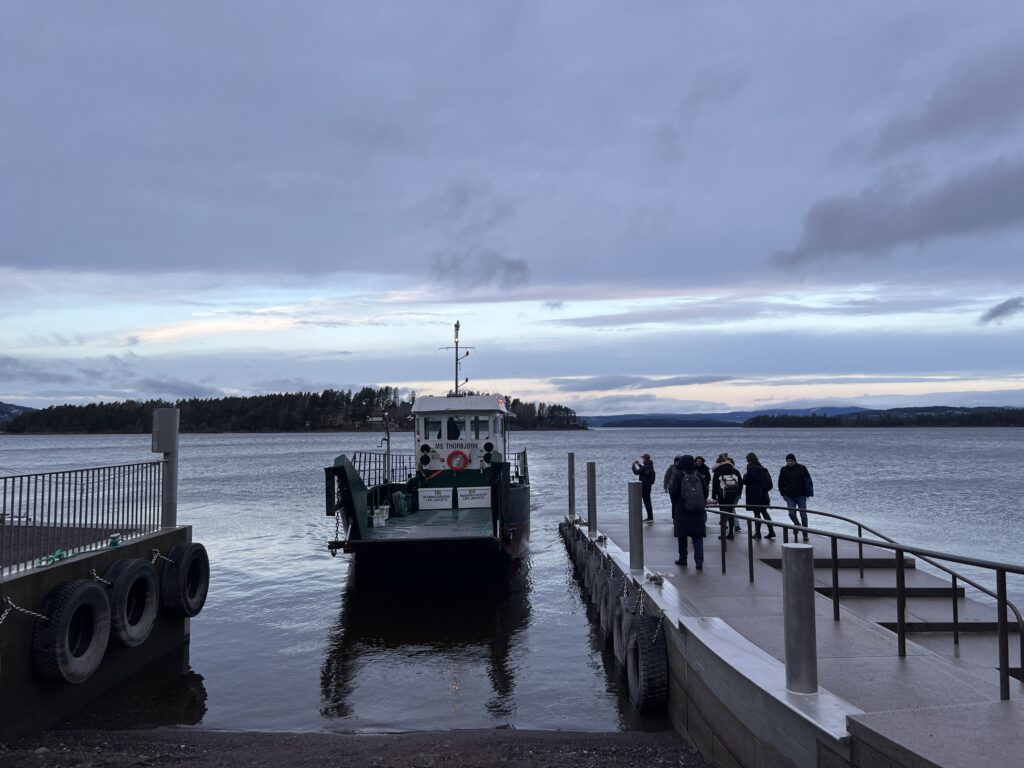
Utøya, the small island only a short drive from Oslo, used to be synonymous with the Labour Youth Party’s summer camps. It has now been etched into the collective memory of the entire Norwegian population as a crime scene. The site where 69 politically engaged people were murdered, most of them teenagers.
The ferry makes the short journey across the fjord. On board are 12 lower secondary school students and their teachers. Students from Slåtthaug, Frydenberg, and Lindeberg schools have been invited to take part in the pilot version of the Democracy Workshop—a part of the new national educational program “Democracy Learning at Utøya.”
“When I first heard about the project in 2016, I didn’t hesitate for a moment. It seemed both exciting and important, especially in an increasingly international society where extremism was trying—and still tries—to gain ground,” says Fouad Arab, a teacher at Lindeberg School.
“For Utøya be used to strengthen democratic citizenship and counter extremism seemed like a fantastic idea to me.”
A place for learning
When the participants arrived at the island, Utøya was still a construction site. The new learning facility, the Hegnhuset, which encloses the Café building where 13 people lost their lives, had yet to be completed.
“At the time, the focus was on returning to the island and allowing new generations to learn about what happened on the 22nd of July,” says Ingrid Aspelund, head of the Youth Section at the Wergeland Centre.
PHOTO: At the very first Democracy Workshop for Students and Teachers, the teachers Marianne Støle-Nilsen (fifth from the left) and Fouad Arab (ninth from the left) participated.
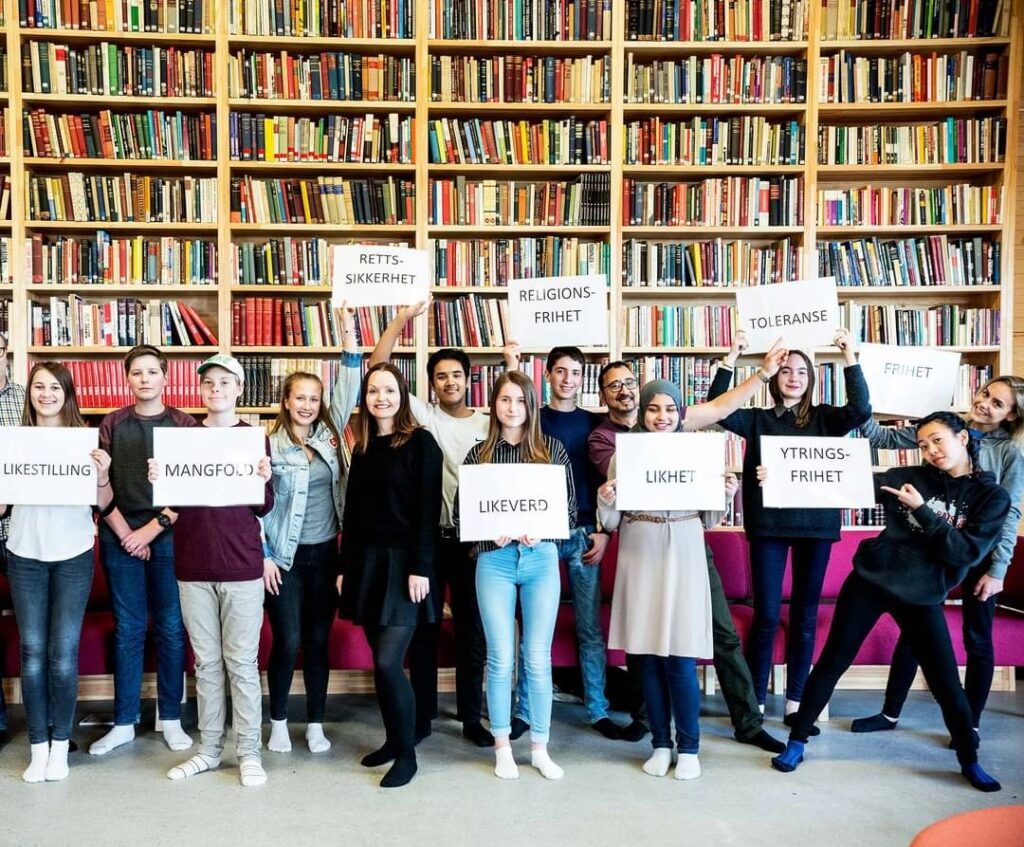
In collaboration with Utøya and the Rafto Foundation, she and her colleagues developed an educational programme on the terrorist attacks of July 22, 2011, and how young people can engage in society and counter anti-democratic forces. The learning materials were inspired by the Council of Europe’s manuals on education for democracy and human rights.
Ingrid clearly remembers the group she brought to the very first democracy workshop:
“We had prepared for a long time and were excited to see whether we would manage to both safeguard the seriousness of the topic, but also the joy of being together in a unique place, and the understanding of the role young people can play in democracy,” she says.
For several of the students, the visit to the island proved emotional. Jonatan Myhre Barlien, a former student at Frydenberg School, had heard stories about that harrowing July day from a relative who lived nearby and helped save many lives.
“I thought about those hours and what it must have been like, especially for those who survived by hiding in the toilets. At the same time, it was difficult to imagine how someone could carry out such horrific acts. It was hard to sleep that night,” he recalls.
The visit also made a strong impression on the teachers:
“There were many emotions and questions that cannot be answered. The memorial site, where we read the names of the victims, is something I will always remember. At the same time, it was moving to see how young people from three different parts of Norway collaborated, supported each other, and handled a difficult situation together. It was good to see that Utøya had come back to life again, in a way that points forward,” says Fouad.
PHOTO: Jonatan Myhre Barlien. Private
Learning through participation
Since the pilot project in 2016, thousands have taken part in the Democracy Workshop for students and teachers. The project has since been renamed “July 22 and Democratic Citizenship,” but the goal remains the same: to invite around 100 young people each semester to Oslo to visit the July 22 Centre, before taking the short trip across the fjord.
At Utøya, lower secondary students learn about the July 22 terrorist attacks, reflect on democratic dilemmas, practice handling disagreement, discuss how to prevent and respond to hate speech, and explore what engages them as democratic citizens.
Among lily of the valley, the pine-needle-covered forest floor, the memories and the history, there is also room for community and joy.
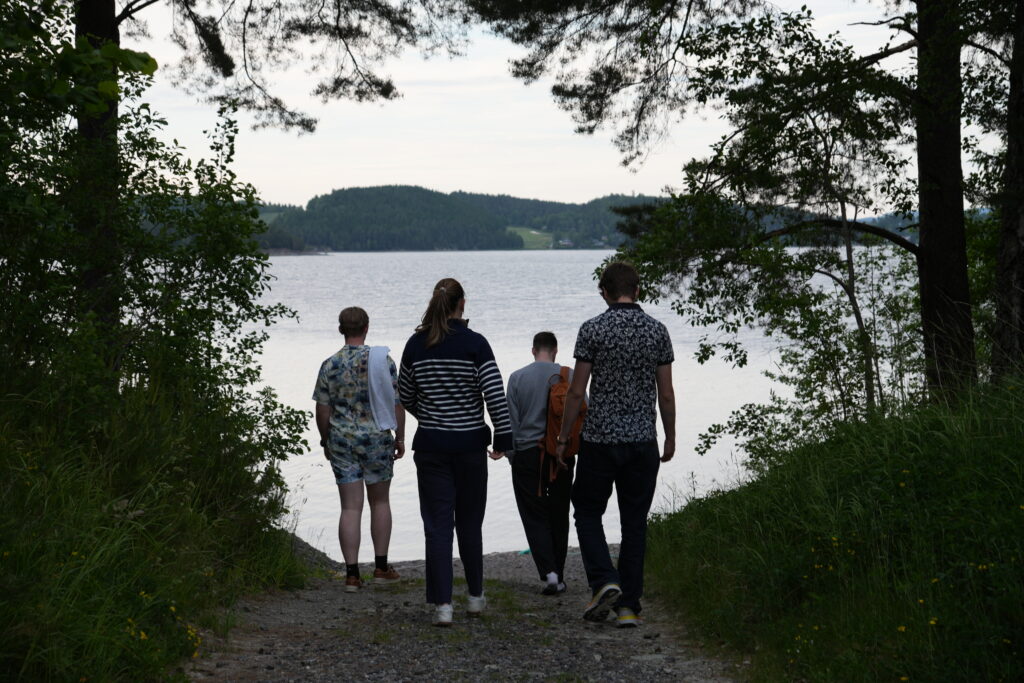
Today, Utøya is both a memorial site, and a living and breathing arena for learning. In the evenings, students can play ball games, swim in the fjord, or walk along the “Love Path”—just as scores of young people have done before them.
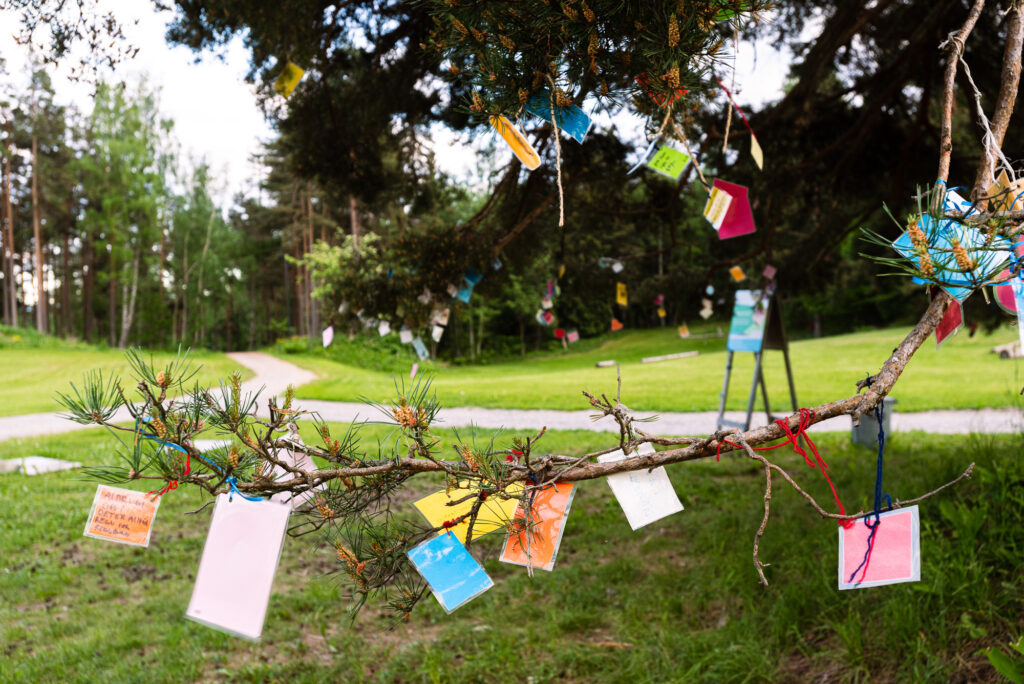
They also get to hang up their own reflections on the “Value Tree” outside Hegnhuset.
Elise Greve Olsvik, a former student at Slåtthaug School, especially remembers an exercise the teenagers preformed before really getting to know each other:
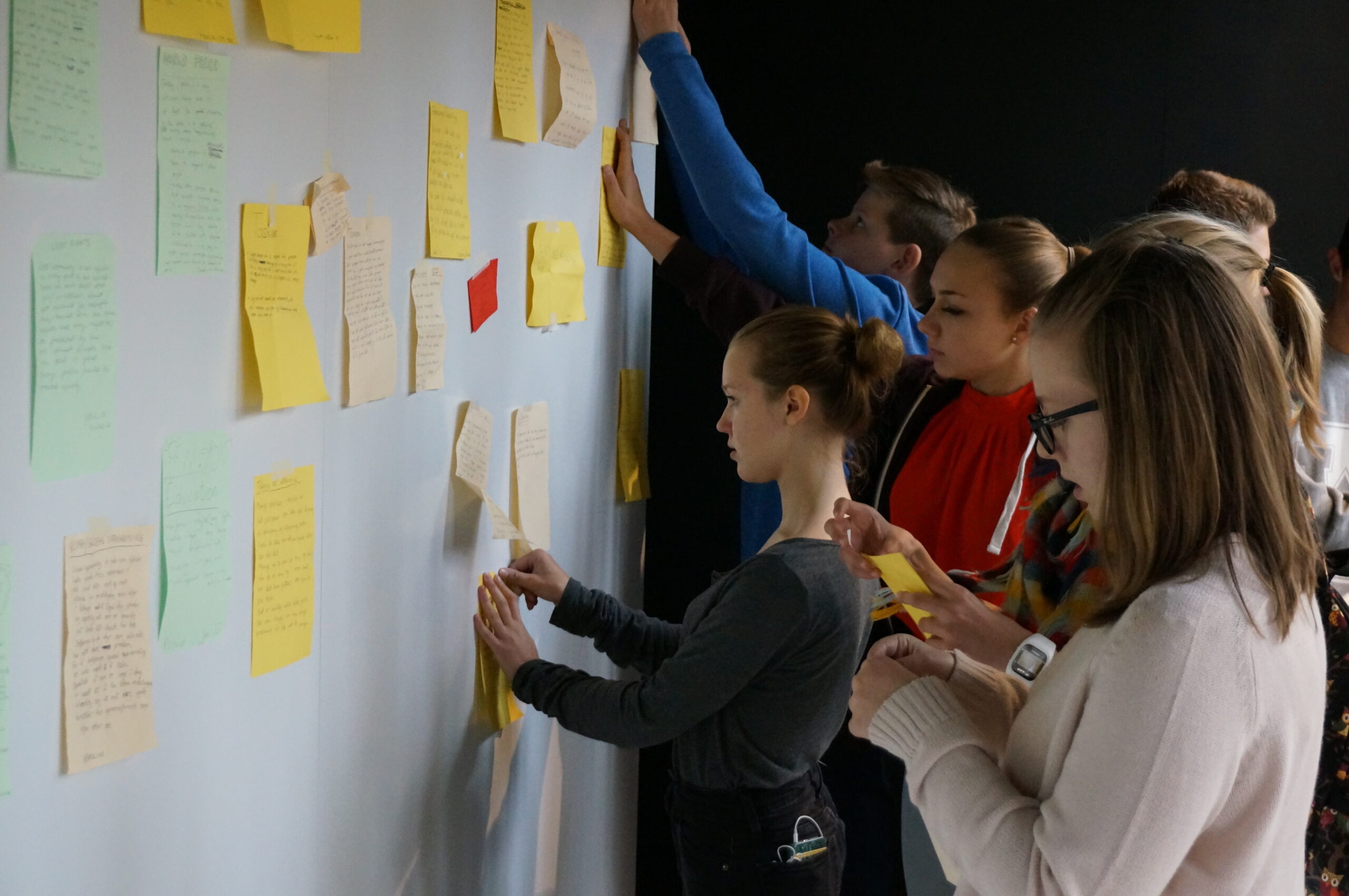
“We attached Post-its with different social groups to our foreheads. Then we had to walk around greeting each other, while being open about the prejudices we held. Afterwards, we discussed how stigmatisation can arise—across both age groups and social backgrounds.”
Elise’s former teacher, Marianne Støle-Nilsen, who now works with the democracy workshop project through the Rafto Foundation, remembers how exciting it was for students from Oslo and Bergen to meet. Although many were initially weighed down by the seriousness of the location, they quickly got to know each other and enjoyed the April days on the island.
“At that time, you didn’t have to explain what happened in the 22nd of July, or why it mattered. Just going to Utøya was significant. The journey was a learning experience in itself,” she says.
Bringing lessons back home
Over the years, young participants in the Democracy Workshop for Students and Teachers have reported increased knowledge about the terrorist attacks, a stronger understanding of democracy, greater commitment to standing up against hateful speech, openness to others’ perspectives, as well as increased confidence and belief in their own abilities.
A key factor is what happens after Utøya.
All students are tasked with sharing what they have learned with their classmates. The idea is that, in this way, young people can more easily reach their peers and act as role models in their local communities.
“It was very meaningful to share what we had learned with my classmates. Creating discussions and hearing different perspectives was something I found very rewarding,” says Embla Fauske, a former student at Slåtthaug School.
Fouad clearly remembers the student-led activities at his school:
“The class really liked this way of working, and for several years we held regular class meetings where the students themselves were responsible for the content.”
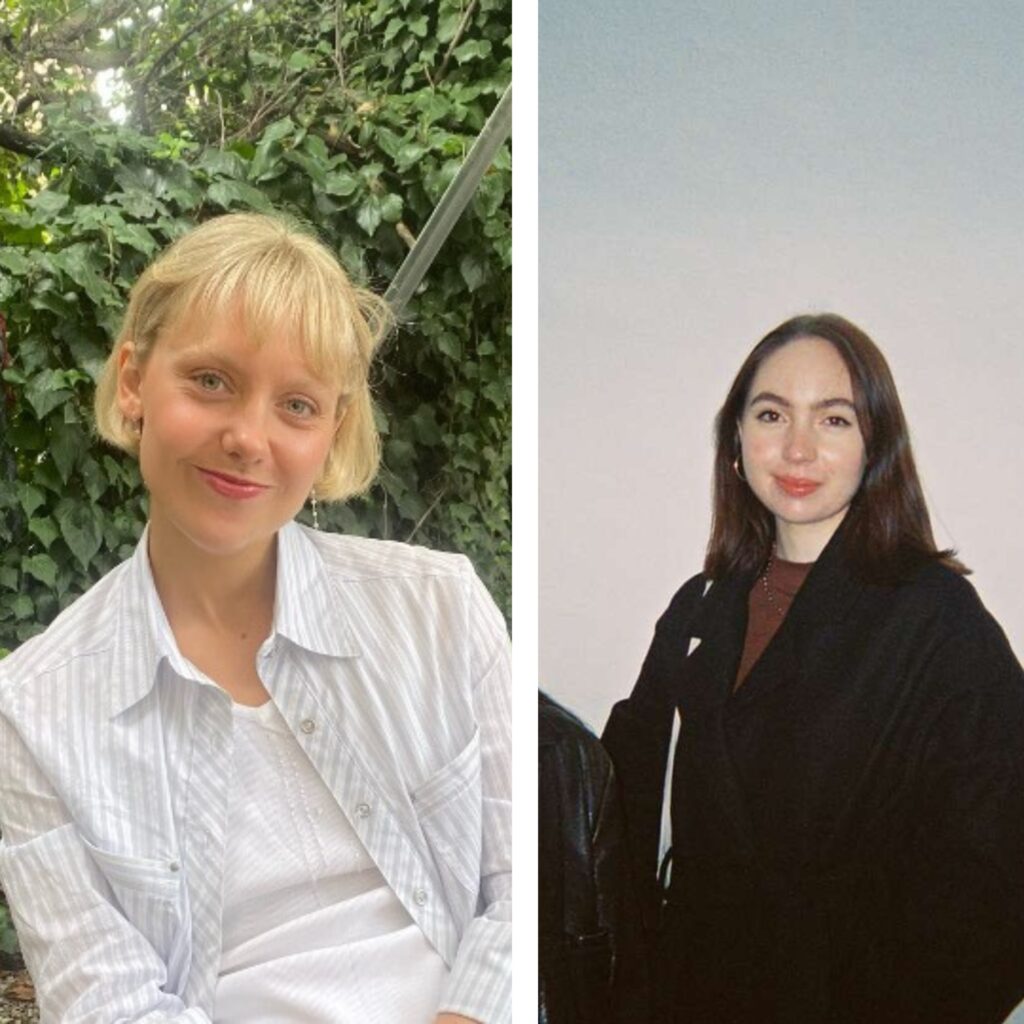
PHOTO: Elise Greve Olsvik (left) and Embla Fauske. Private
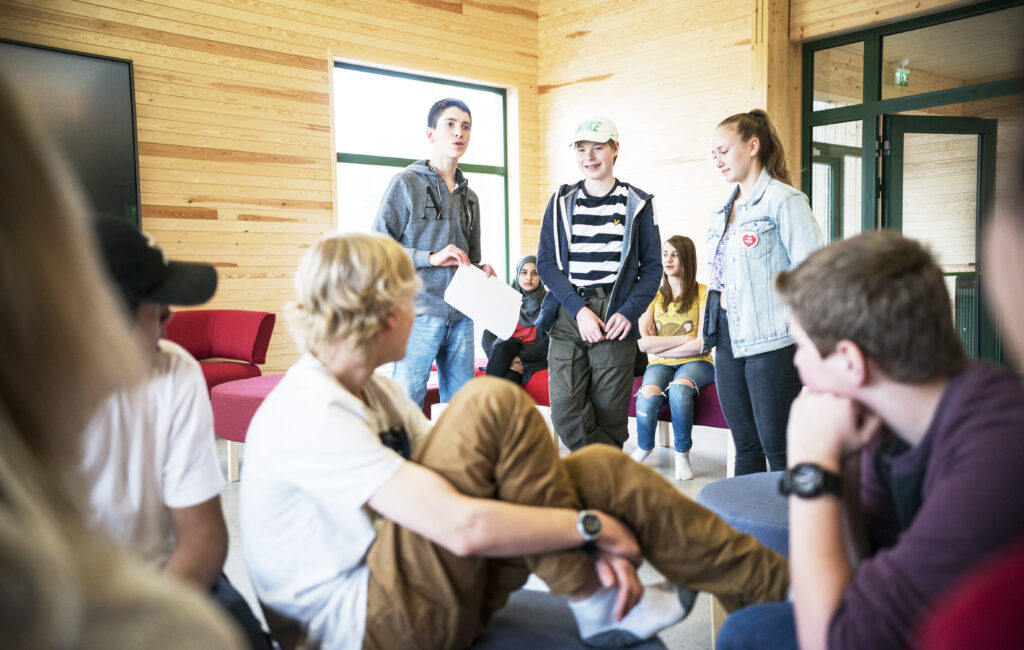
The Democracy Workshop for Students and Teachers not only allows students to challenge themselves through interactive reflection activities. Through dedicated teaching programs, teachers can strengthen their own competence and learn how to handle controversial topics in the classroom.
“Since then, I have used many of the methods in my own teaching. They have been useful tools for promoting reflection and safe discussions among students. As the person responsible for a safe learning environment at the school, I have also used several of the methods in class meetings,” says Fouad.
At the democracy workshop, students get to explore their role as citizens in the Norwegian democracy.
Ten years later
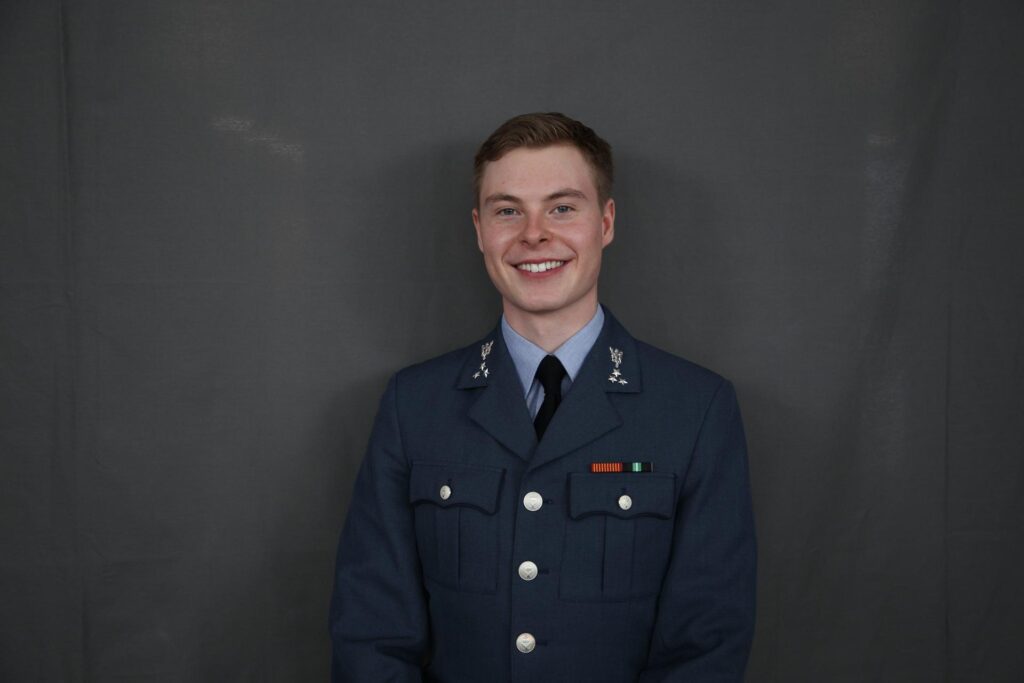
Since those spring days in 2016, much has happened. Jonatan attended the Naval Academy and is now an officer in the Norwegian Air Force. Embla studies political science, and Elise studies landscape architecture, with a particular interest in developing sustainable and inclusive communities
All of them have carried their love for democracy and human rights into adulthood.
The ‘22 July and Democratic Citizenship’ programme has expanded to include not only democracy workshops for secondary schools, but also courses for teachers and teacher students – both on Utøya and across the rest of Norway – as well as the annual Experience Conference, which serves as a meeting place for professionals in democracy education.
The Democracy Workshop for Students and Teachers has also continued to evolve. New activities have been added, including meetings with survivors of the terrorist attacks, but the basic structure remains the same.
“The experiences we gained and all the choices we made together with the schools still shape what we do today,” says Ingrid. “The Democracy Workshop has become an important part of The European Wergeland Centre’s work. Through it, we reach students and teachers across Norway, as well as internationally when we bring our experiences to other projects around Europe.”
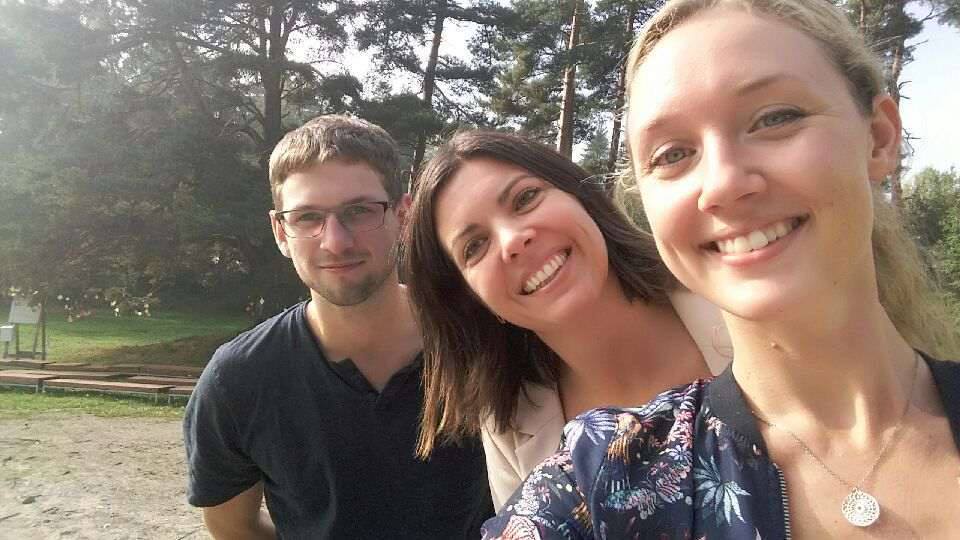
PHOTO: Leader of The European Wergeland Centre’s Youth Section, Ingrid Aspelund (right)
For Marianne, it is important that the Democracy Workshop continues to develop:
“In another ten years, the workshop must still be relevant. Democracy changes, the challenges change, and young people change as well.”
Embla clearly remembers those April days in 2016. The workshop showed her how important democratic values are—and that they cannot be taken for granted.
“It also made an impression on me how important it is that young people learn about democracy and feel that they actually have a place in it. After all, it is young people who will carry society forward,” she says.
“The Democracy Workshop for Students and Teachers” is organised by The European Wergeland Centre, in collaboration with Utøya AS, the Rafto Foundation, and the July 22 Centre. The national educational programme “July 22 and Democratic Citizenship” is funded by the Norwegian Ministry of Education.