NORWAY: “Would You Say That to Someone’s Face?”
by Veslemøy Maria Svartdal
Young people spend more time on gaming and social media than ever before. At the “Democracy Workshop for Young Gamers,” youth from across Norway gather to learn how democracy can be defended – also in the digital sphere.
“It’s kind of about shutting yourself off from the world,” says Morten Eirik Kristiansen (14).
His friend Oliver Sjøbak-Husby (15) nods.
“Yeah, you have more freedom online and can talk to many more people. If you’re having a hard time, you can just disconnect and have fun –without having to go out and be around people.”
For Morten and Oliver, gaming is a social arena. They play both with classmates and with friends they’ve met through Discord. Like 93 percent of Norwegian boys, gaming is an important part of their everyday lives.
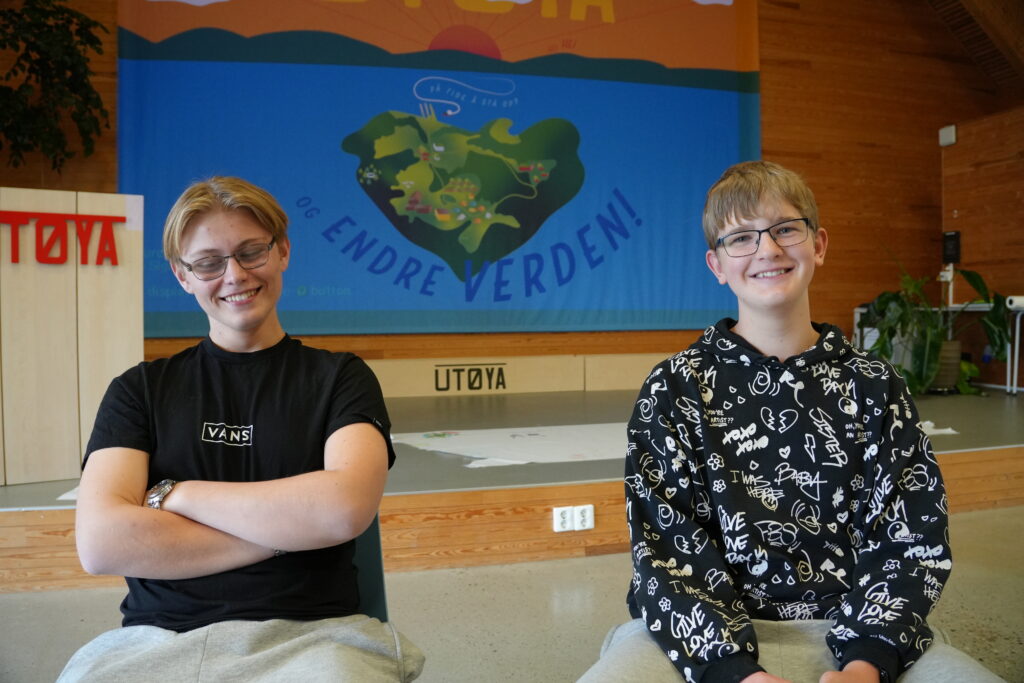
Together with eighteen other teenagers from youth clubs in Trøndelag, the two boys from Trondheim have travelled to Utøya to learn more about democracy and what it means to be an active democratic citizen online.
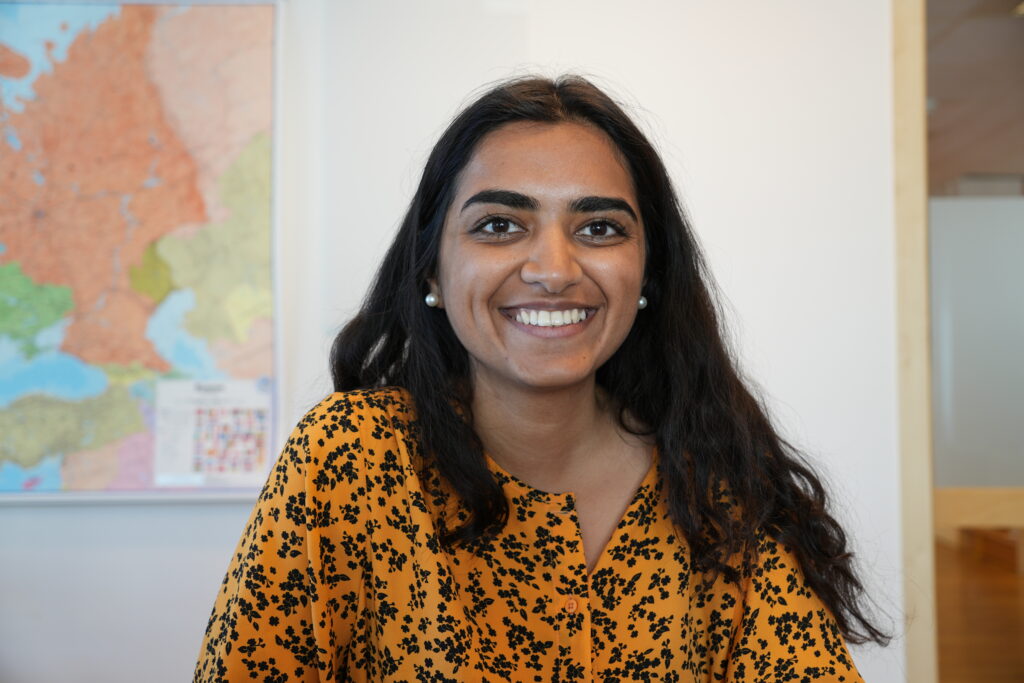
“We want to reach young people where they actually are,” says Mahira Karim, advisor at the Wergeland Centre’s Youth Section.
She leads the project “Young People who Change the World”, in collaboration with Save the Children, Utøya, and the 10 August Foundation.
Since 2019, youth councils and youth clubs from across the country have been invited to Democracy Workshops at Utøya, where they gain practical experience with democracy, participation, and civic engagement.
“We know that young people engage in many arenas outside of school. Gaming is one of them,” Mahira says.
Screen use among children and young people has increased sharply over the past decade. More than half of Norwegian boys and a quarter of girls play games every day, and the average teenager spends 7.5 hours online – equivalent to a full working day.
The Wergeland Centre’s strategic goal is not only to enable children and young people to navigate a rapidly evolving digital world, but also to strengthen democracy and take action to limit negative influences.
“Democracy isn’t just about what happens in the physical world. It also applies to the digital sphere,” Mahira says.
Since 2023, young gamers from across Norway have been invited to Utøya once a year to participate in the “Democracy Workshop for Young Gamers.” There, they learn what to do if they fear a friend is becoming radicalised, how to respond to hateful speech online, and how they can help make the internet a more inclusive and democratic space.
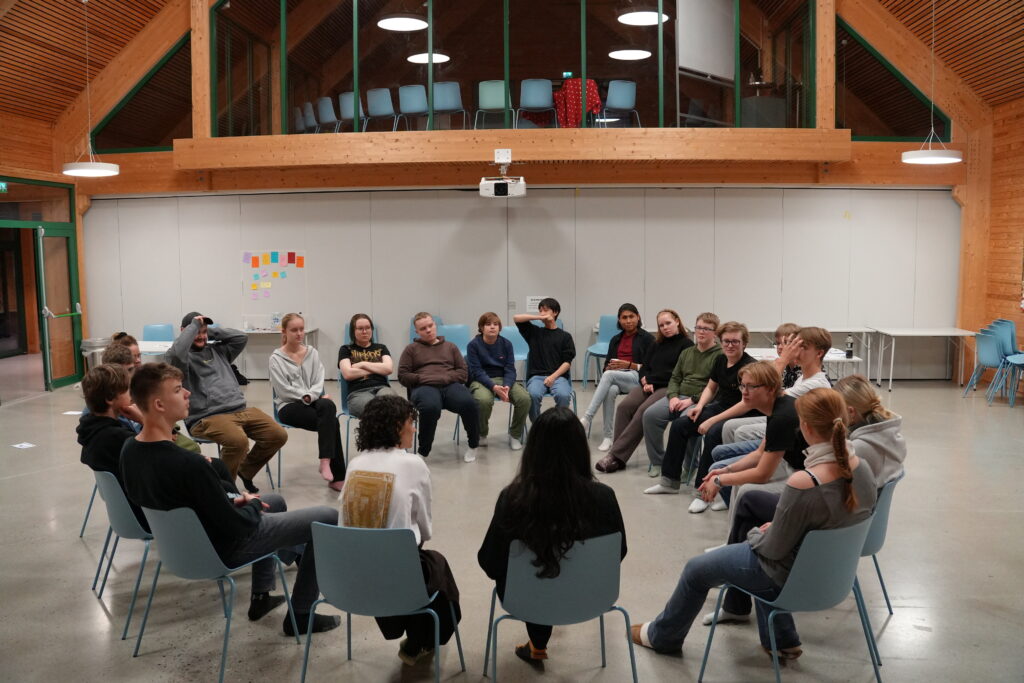
“We’ve learned a bit about what democracy is at school, but I haven’t really thought much about it. Here, you learn about all the components that make up a democracy. You go more in depth than we do at school,” Oliver explains.
“Young people like to game and have fun, and often think that democracy and gaming have nothing to do with each other. That’s the gap we want to fill,” Mahira says.
She emphasizes that both young people and adults need to be aware that what happens online is also part of real life.
“You are a citizen with responsibilities whether you are in the physical or digital world. Maybe people don’t think about that when gaming in their free time, but free time also comes with responsibility. Young people just need someone to help make that connection,” she says.
When hate speech becomes “just joking”
“I’ve seen hate speech on Discord, but it’s often shut down by people with higher roles,” says Morten.
Oliver nods.
“Yeah, there’s very little tolerance for that in the communities I’m part of. It gets dealt with.”
Nevertheless, figures show that one in four young people has experienced hateful comments online – six times more than the general population. While most of it happens on social media, a harsh tone has also developed in gaming environments, where statements that would otherwise be perceived as misogynistic, homophobic, or racist are often dismissed as “banter” or “jokes.”
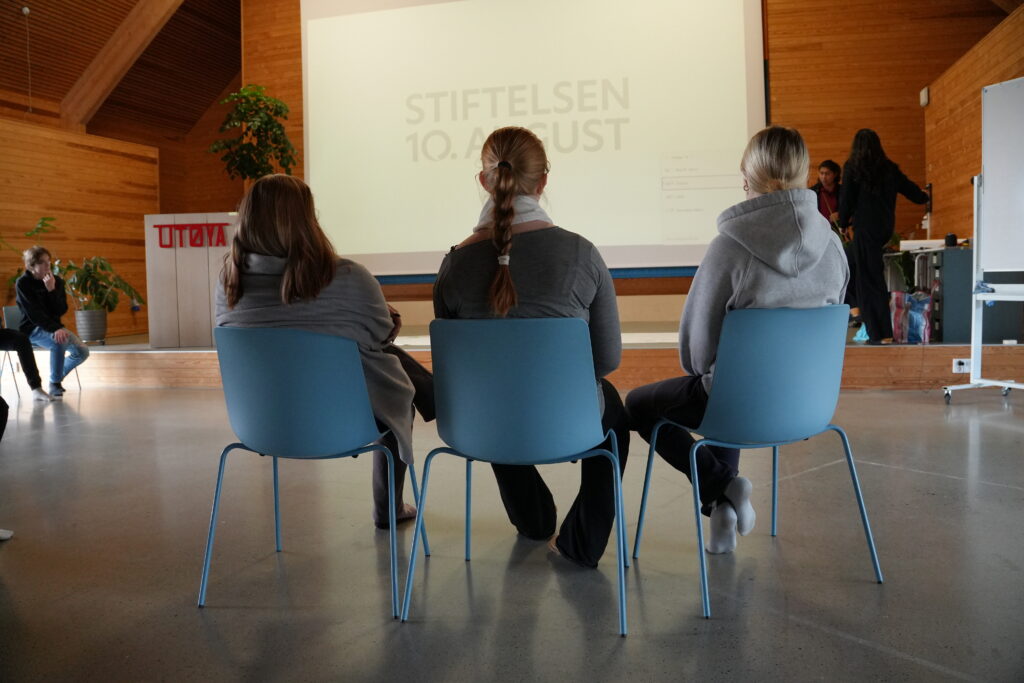
“Some of our former participants have said that they ignore hate speech because it’s not serious, and that it must be okay to joke around a little bit,” Mahira says.
Girls in particular find it difficult to be themselves in gaming environments and often prefer to turn off their microphones or use male avatars to hide their identity.
Vilde Osnes Opland (17) is very familiar with the phenomenon.
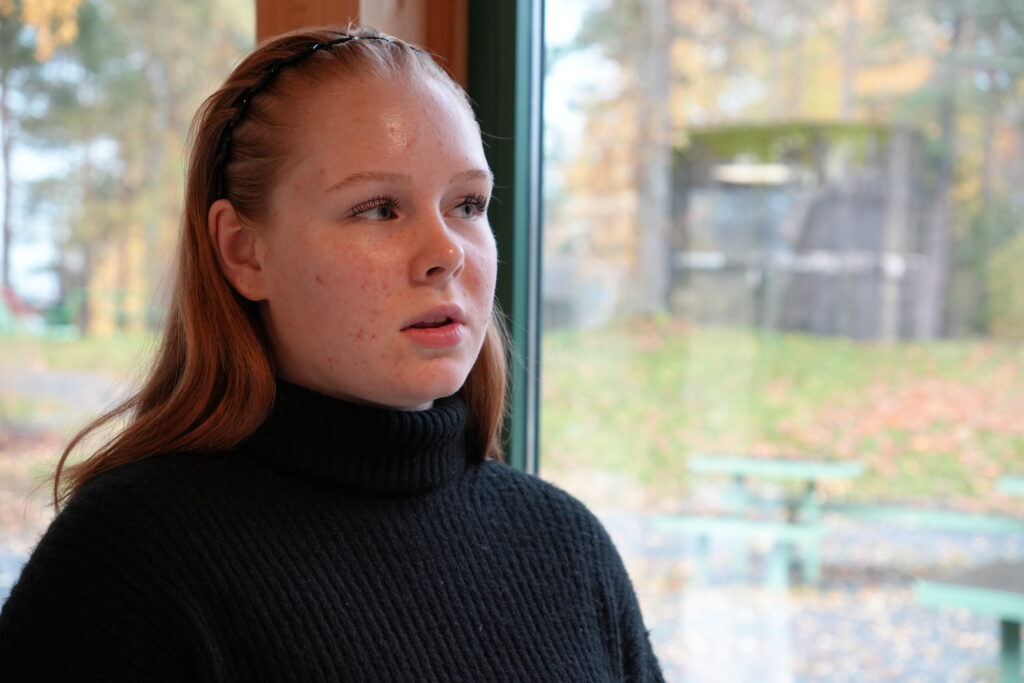
“A lot of girls start gaming because of their friends, but once they do, they get comments like, ‘Oooh, go back to the kitchen!’ or ‘You don’t belong here!’” she says.
Vilde is a Utøya veteran and has participated in many democracy workshops. She has been active in youth and student councils from an early age and is deeply committed to ensuring that everyone in a democracy have their voice heard.
“It’s easy to say something online that you’d never dare to say face to face. I think it’s important to confront the person directly and ask: ‘Would you dare say that to someone if your identity was not hidden?’” she says.
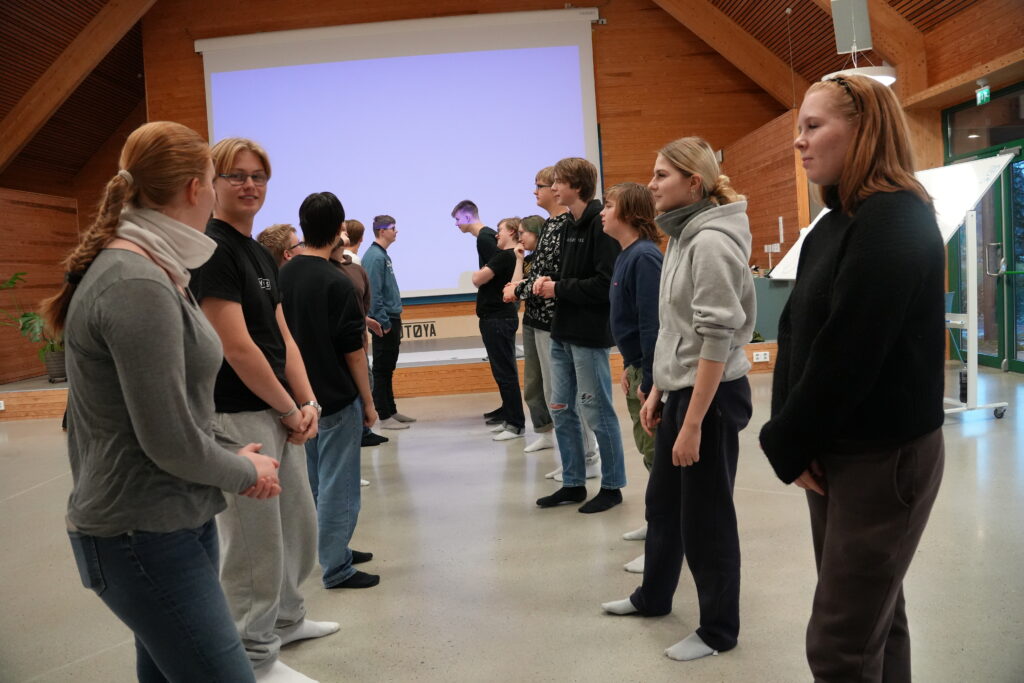
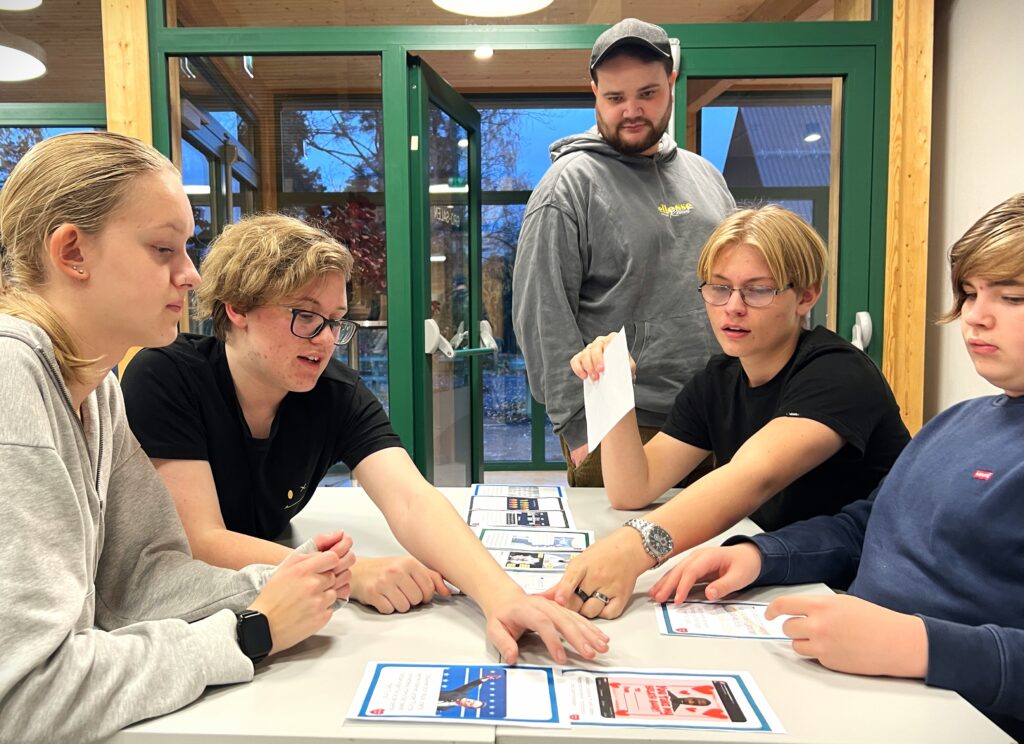
The exercises “Dialogue Cloth” and “What Is Worse?” challenge participants to reflect on the consequences of hateful speech and how they themselves can respond to it.
Young people feel misunderstood
The democracy workshops at Utøya havw a dark historical backdrop. It was on this island that Anders Behring Breivik killed 69 participants at the Labour Youth summer camp in 2011. Before the attack, he had taken a gap year to play World of Warcraft as a “gift before his sacrifice.”
Through a newly established collaboration with the 10 August Foundation, the young participants also learn about how the terrorist Philip Manshaus was radicalised – among other things through gaming – in the period leading up to the terror attack on 10 August 2019.
These events are used as a starting point to discuss democratic values, the dangers of online echo chambers, and how digital hate speech can have consequences in the non-digital world.
PHOTO: Daniel Abimael Skjerve Wensell, educational advisor at the 10 August Foundation and a gamer himself, asks what the young people would do if a friend were on the verge of falling into online echo chambers.
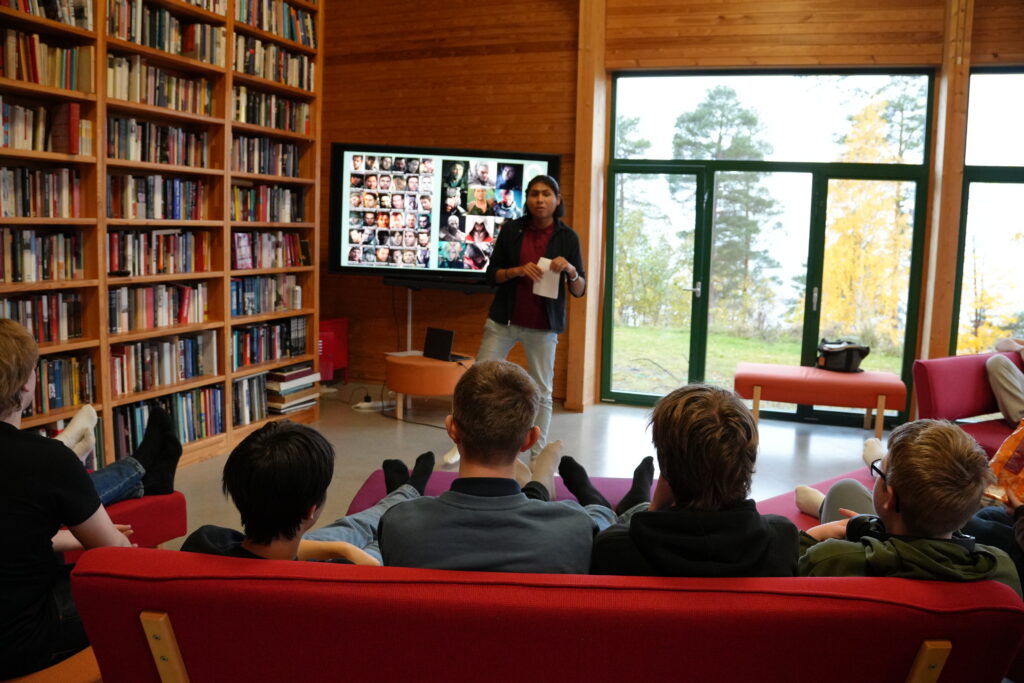
At the same time, Mahira is keen not to demonise gaming and teenagers’ online habits.
“Gaming is an incredibly important part of a young person’s lives. That’s where they hang out with friends, and gain confidence in their own abilities. That’s exactly why we have a project for this particular group. We understand that the time they spend online isn’t just screen time – it has intrinsic value,” she says.
Vilde feels that many adults misunderstand young people.
“Adults just say, ‘Go outside! You’re sitting inside all day!’ But they could ask us what we’re actually doing when we’re at home and it looks like we’re ‘doing nothing.’ If they dig a little deeper, they’ll find that we’re still social even if it’s not face to face,” she says.
“I like being with friends, but I also like having an online life with them,” says Morten.
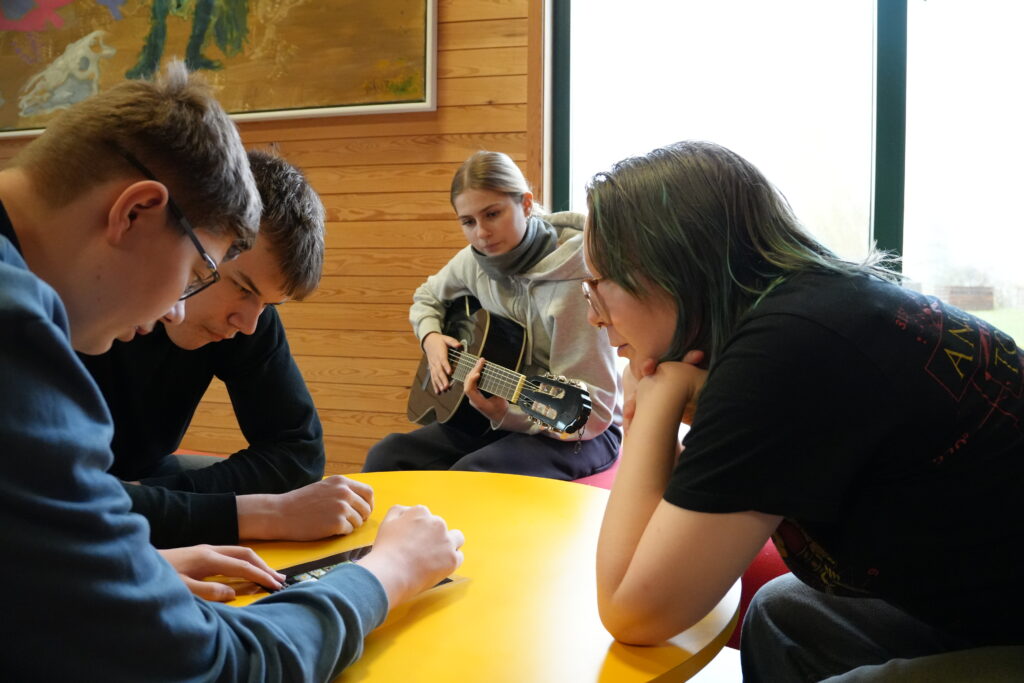
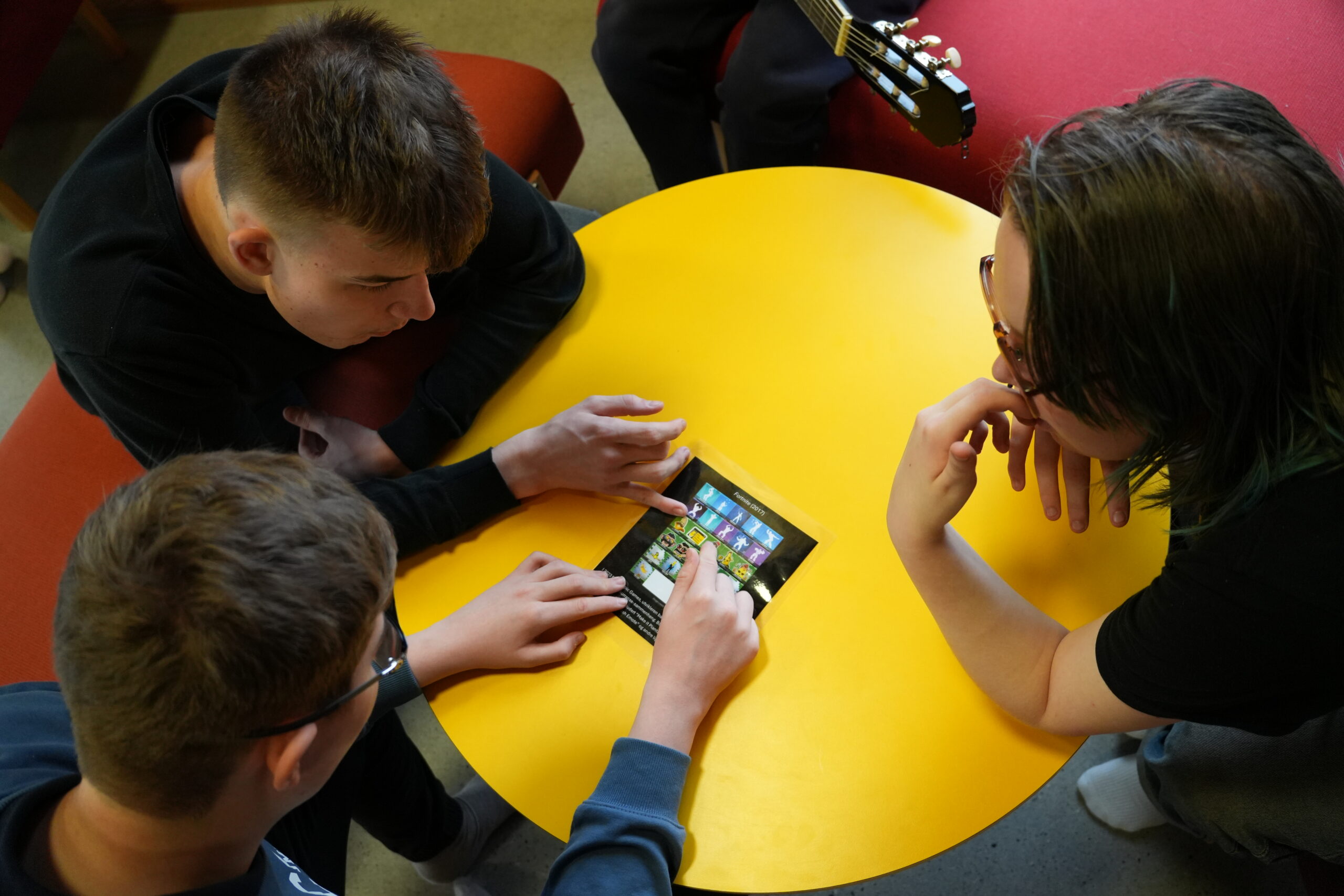
Despite the name “Democracy Workshop for Young Gamers,” little of the time is actually spent gaming. Evenings are instead filled with board games, conversations, shared meals, and creative workshops. The Nintendo Switch stays mostly unused.
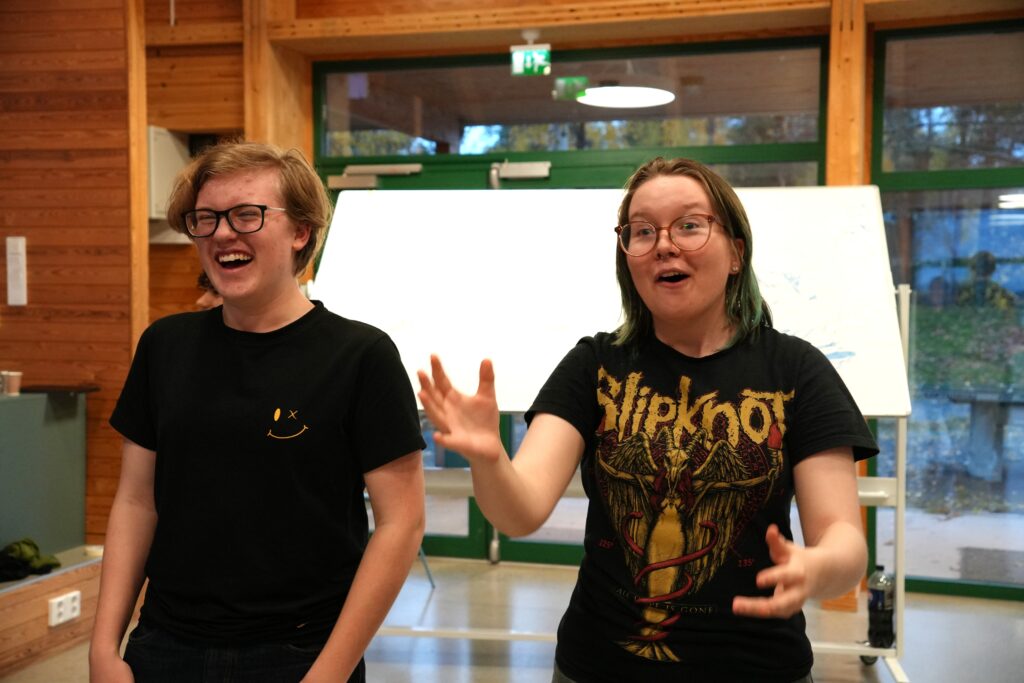
“It’s easier, when we’re all gathered in one room, to sit down with a board game or just talk,” says Oliver.
Mahira hopes that the stay will give young people confidence in their role as democratic citizens, even if not all change happens immediately.
“The workshop is like a democratic vitamin injection,” she says. “We don’t expect young people to react every single time they hear cases of hate speech, but maybe they think, ‘Oh, that was hate speech.’ Next time they’ll be more confident, and the time after that even more confident, about what to do.”
“Young People who Change the World” is funded by The Savings Bank Foundation DNB