Democracy Education in the Age of TikTok
How do We Keep the Lessons of 22 July Alive for a New Generation?
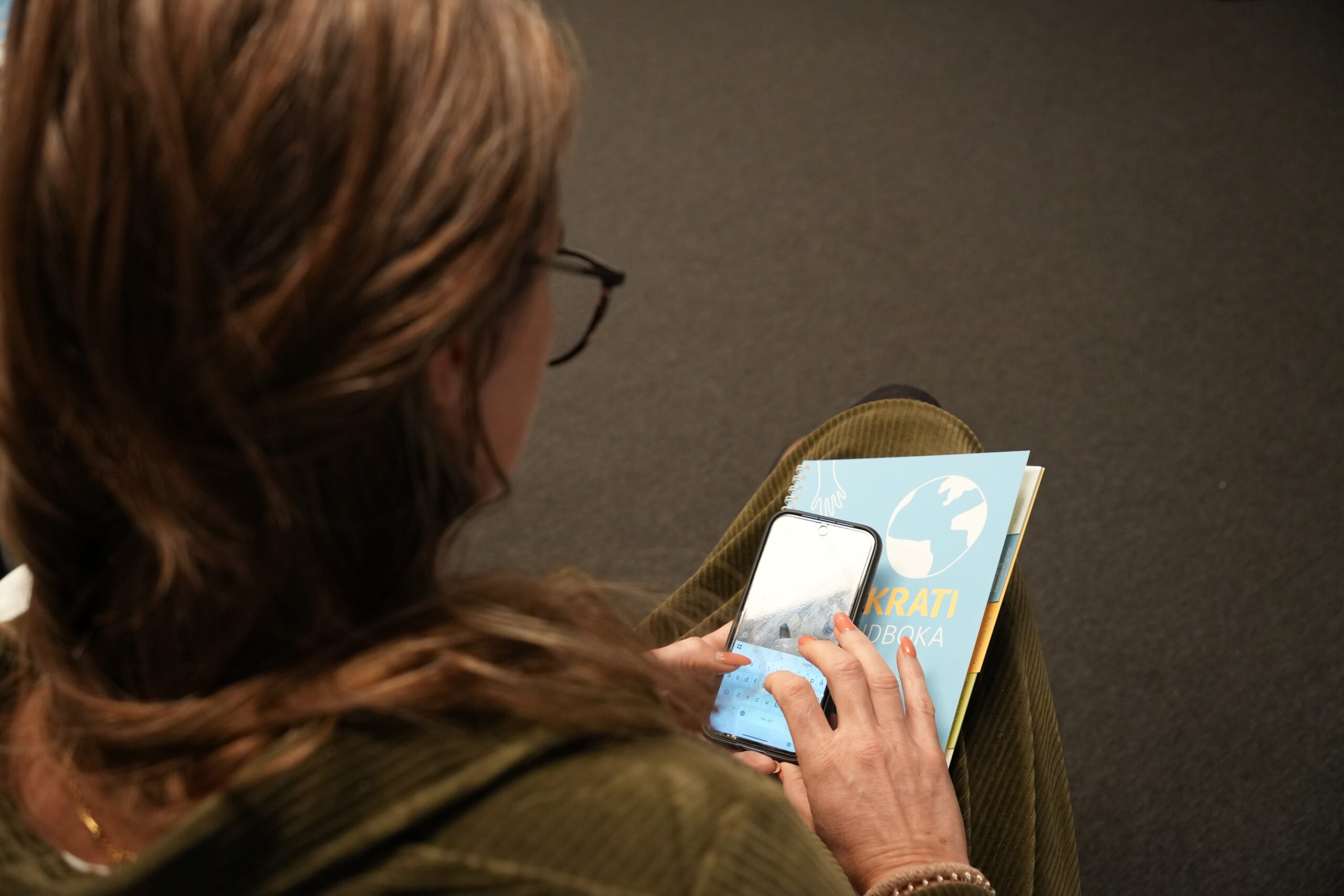
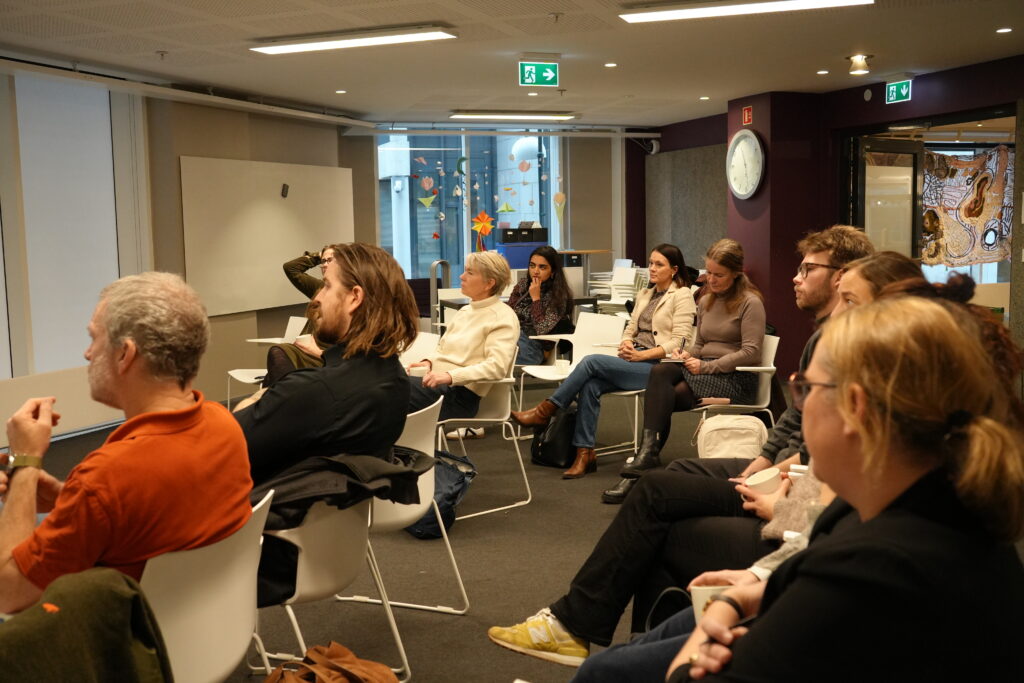
Every year, the European Wergeland Centre and 22 July Center bring together teachers and student teachers from across Norway to explore a central question: how can we teach about the 22 July terrorist attacks and democratic citizenship?
For most Norwegians, 22 July 2011 remains a date of deep national significance. Seventy-seven people were killed in the deadliest terrorist attack since the Second World War. Today, the national curriculum asks teachers to use the attacks as a starting point for discussions about threats to democracy and to inspire young people to defend democratic values and culture.
But how do you teach about an event your pupils barely remember – or were not even born to experience?
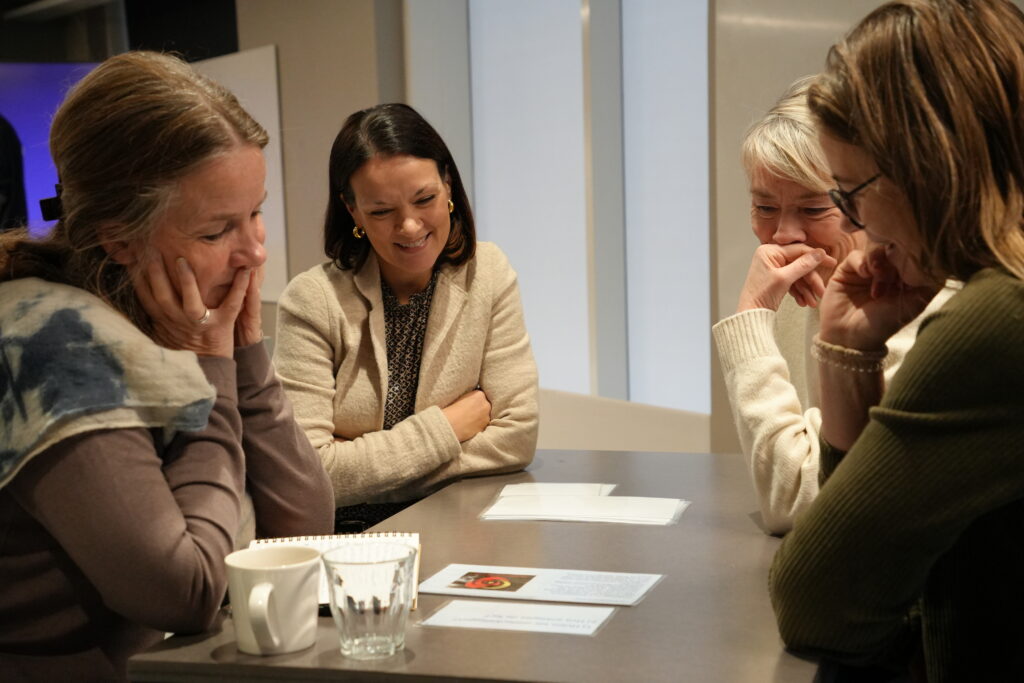
“Even though I never experienced World War II, the national trauma was passed down to me. It doesn’t look like my pupils have inherited the trauma of 22 July in the same way,” says teacher Sigrid Kjelland Olsen at Ingieråsen Secondary School, in Kolbotn outside of Norway.
In the autumn of 2025, Sigrid and her colleagues attended one of the Wergeland Centre and 22 July Center’s condensed regional courses, held annually in Oslo, Tromsø and Stavanger.
This are an alternative to the full-length two-day courses which are held in Oslo and at Utøya every year. Both answer some of the questions teachers grapple with when teaching about the 22 July attack:
How many details about the attack should I share? Can I use the name of the perpetrator? How much of my own thoughts and feelings is it appropriate to share? What do I do if some of the students express support for some of the terrorist’s viewpoints?
What if one of the students have been personally affected by the attack? What if the students are not affected at all?
“I have previously taught lessons on the terrorist attack, but it is not as straight-forward as you would think,” says teacher Anders Berge.
In addition to helping teachers resolve difficult dilemmas, the courses introduce practical classroom activities for discussing the ideological motives behind the terrorist attacks, including xenophobia, anti-feminism and anti-democratic attitudes rooted in online conspiracy theories.
The growing influence of social media in teenagers’ lives, with its constant flow of polarising, emotionally charged political content, presents new challenges for teachers.
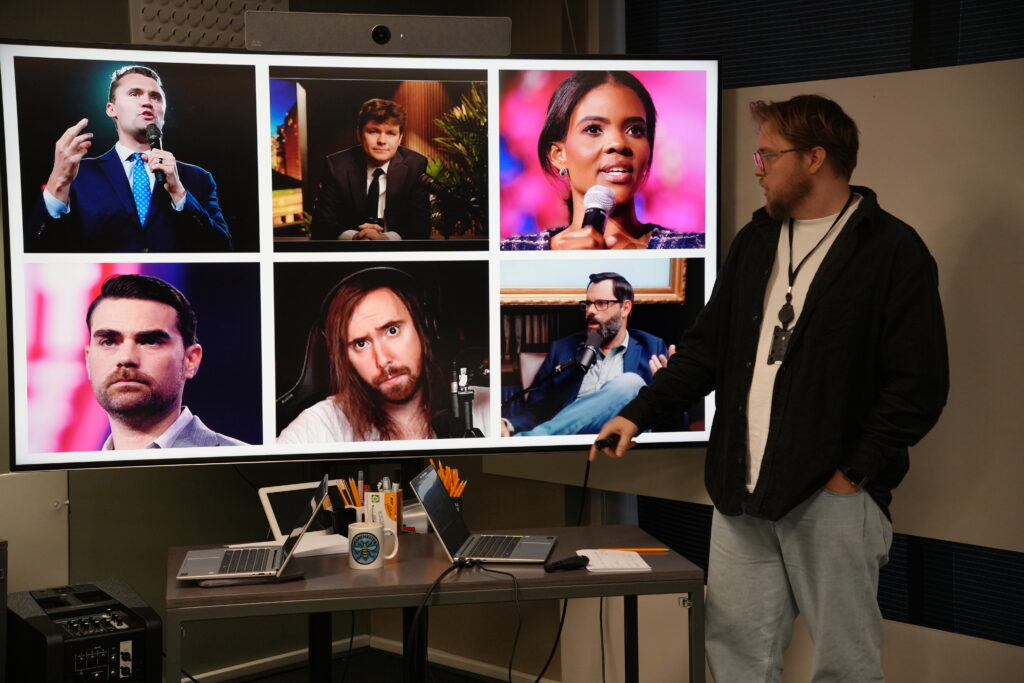
Anders does not believe that Norway will experience a similar, unifying national trauma in the future, like the one caused by the 22 July terrorist attacks.
“Personalised social media feeds splits us into individual worlds,” he says.
Many of the most popular voices on social media belong to American national conservatives or far-right internet pundits.
Several of their talking points can be found repeated in Norwegian classrooms.
Anders Moen Østby, with the 22 July Center’s Education Department, says it is very easy for young people who spend so much of their time online — to fall into environments that dabble in conspiracy theories.
“Don’t fuel the myths,” he warns. “When you talk about these topics, always start and end with facts.”
“I’ve taught about the terrorist attack for many years, and I still find it difficult,” says teacher Madelen Lunder Hærgard. “The pupils can talk about the conspiracy theories behind the attack for hours. It has been completely normalised. They encounter these ideas daily in their TikTok feeds.”
“Young people spend a whole working day on TikTok,” says Kristin Flacké, Acting Head of the Wergeland Centre’s Youth Section.
“But the classroom is the place where they can practise seeing the nuances and strengthen their democratic skills. The world isn’t black and white, and it doesn’t look the way it does on their feeds. We need to practise being part of a democratic society.”
To support teachers, the Wergeland Centre offers four learning modules on different aspects of democracy, as well as challenging topics like gender stereotypes in online culture.
The courses also provide strategies for tackling controversial classroom discussions — something Sigrid, Madelen, and many of their colleagues avoid for fear of how pupils will react.
“If pupils express opinions you see as anti-democratic, don’t push them away,” advises Kristin. “Meet them with empathetic curiosity – and draw them closer.”
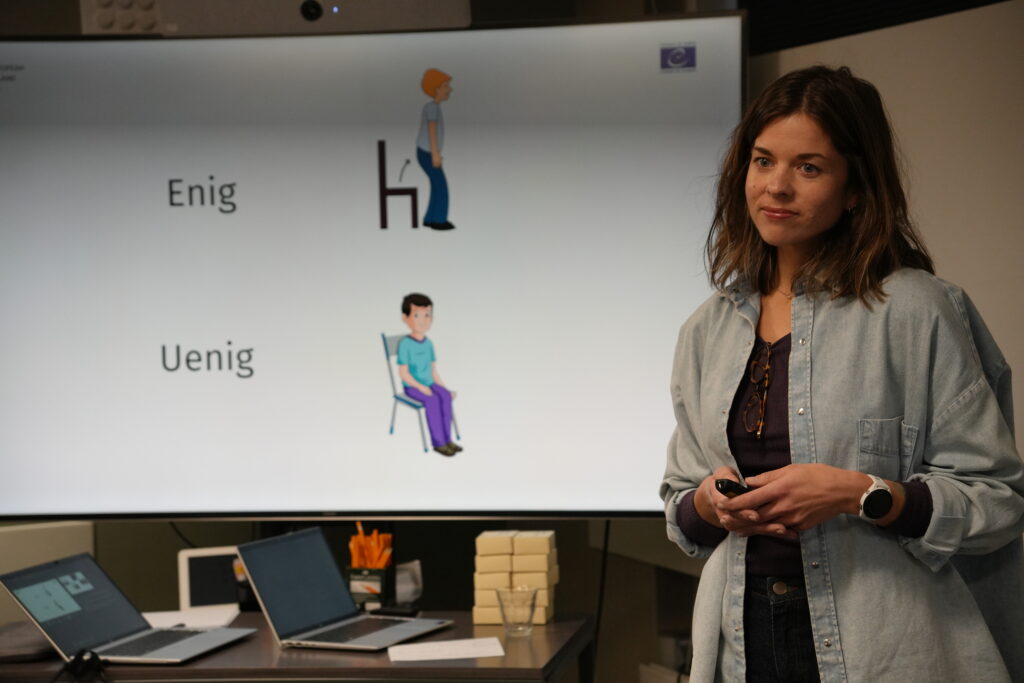
In partnership with 22 July Center, the European Wergeland Centre has offered regional teacher and student teacher courses since 2024, as part of the national learning programme “22 July and Democratic Citizenship.”
Funded by the Norwegian Ministry of Education and Research.