Meet our Team: Veslemøy Maria Svartdal
“Democracy is the most important thing we have. You see that most clearly in places where democracy is absent.”
1) Who are you, and what is your role at the European Wergeland Centre?
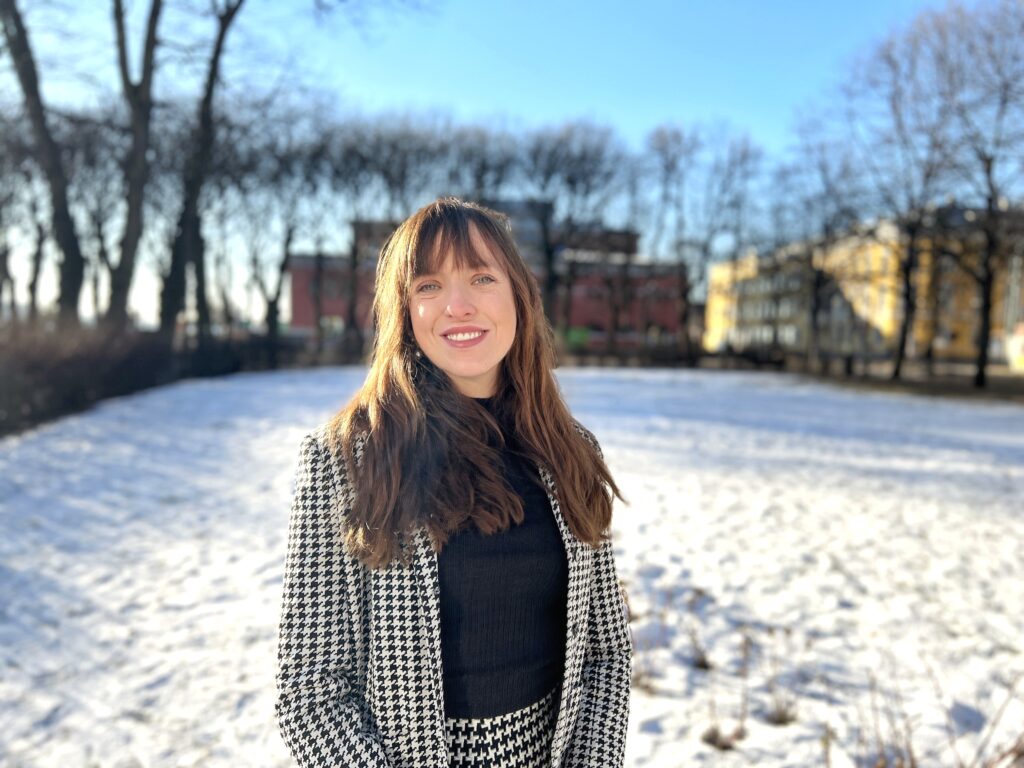
My name is Veslemøy, and I work as a Communications Advisor at The European Wergeland Centre. I communicate the work we do in Norway and across Europe, particularly in Ukraine, Romania and Poland. I am always looking for good stories from participants in our projects, which we share on our website, in newsletters and reports, and on social media.
Through my work, I get to visit schools, kindergartens and community centres, and meet people who are passionate about making their local communities better, stronger and more democratic – and who seize the opportunities our Wergeland projects bring with both hands. It is incredibly rewarding to help share their stories with a wider audience.
2) What made you want to work at the European Wergeland Centre?
I first heard about The European Wergeland Centre when I was doing an internship at the Norwegian Embassy in Kyiv as a master’s student in 2018. When Russia launched its full-scale invasion in 2022, I couldn’t just sit still. I had left a piece of my heart in Ukraine, and I first started volunteering in Norway before travelling to the Polish-Ukrainian border to volunteer as an air worker.
There were many long days and many painful encounters with people in despair, but also a lot of laughter and joy in being able to help people who had arrived carrying their whole lives in a small plastic bag.
After six months, I got a job working with refugee integration in a small Norwegian municipality. There, I saw just how important local communities are – both to individuals and to democracy.
With this background, as well as previous experience from the United Nations Communications Department, I was considered for the position of Communications Advisor at The European Wergeland Centre. The opportunity to combine all these experiences and, on top of that, spend my days writing – which has always been my passion – made me overjoyed when I was offered the chance to become part of the Centre. I get to work on something deeply meaningful alongside knowledgeable and wonderful colleagues.
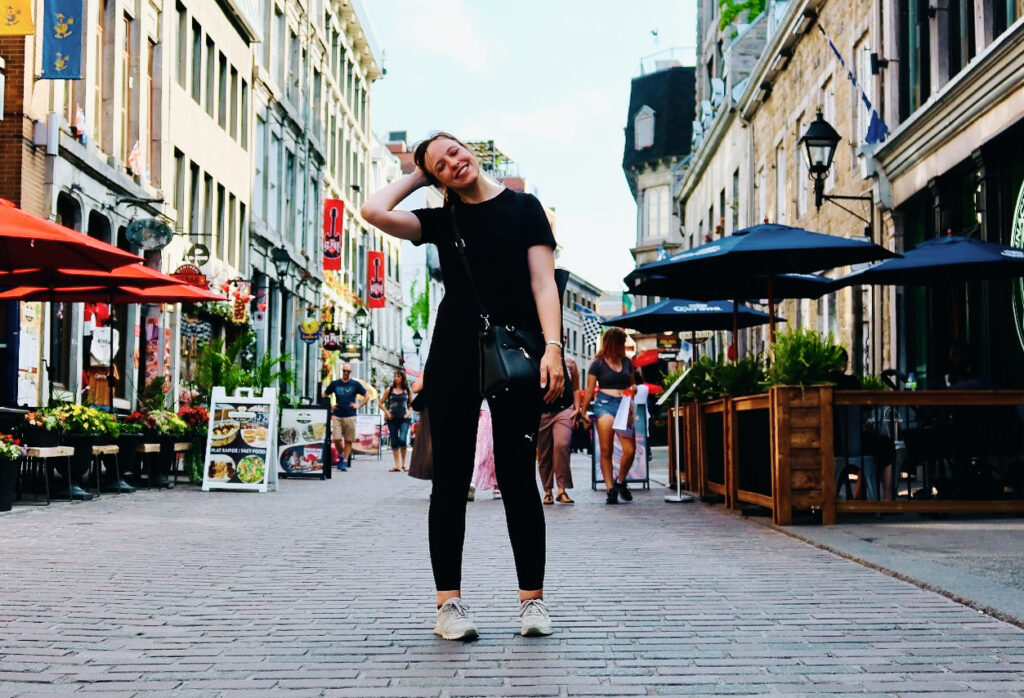
3) Which issues within democracy, human rights and education are you particularly passionate about?
Democracy is the most important thing we have. Perhaps you see that most clearly in places where democracy is absent: where you cannot trust that the law applies equally to everyone, speak your mind without fear, or get a job or access healthcare without paying bribes.
To me, democracy is about being able to shape your own life and believing that, as a citizen, you have value and influence. Education is crucial to building and sustaining this. At the Wergeland Centre, we often say that democracy is action, a process and a project that we have to work on throughout our lives. That is exactly what I am passionate about contributing to.
4) What do people often find surprising about you?
That I have a terrible fear of public speaking! It goes back to when I was nine years old and was supposed to open a children’s theatre production of Aladdin as the narrator. It was a proper stage, with spotlights and a full audience of parents and friends.
When the stage lights came on and I suddenly found myself alone in the spotlight, I was completely shocked. The audience turned into a swaying, murmuring black carpet. I groaned “uhhh!” into the microphone before, a few long seconds later, remembering my lines and getting started. The performance went as planned, but ever since then, I get a shiver down my spine whenever I have to stand on a stage.
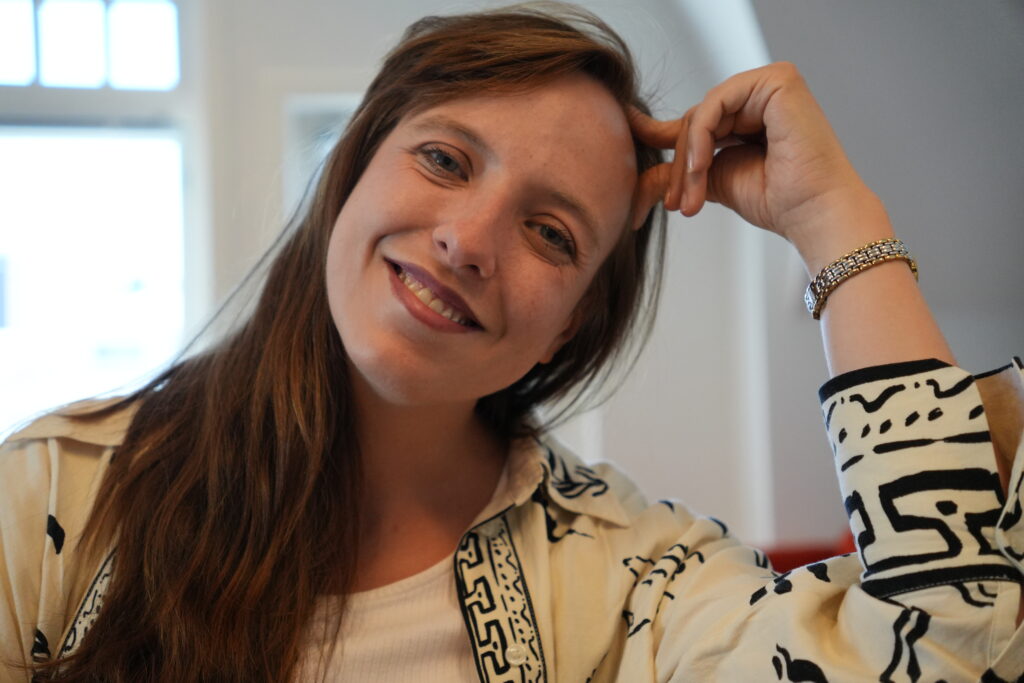
5) What is one book everyone should read?
Humanity: The Recent Moral History by British philosopher Jonathan Glover is a fantastic book. I was introduced to it by Bernt Hagtvet when I was a student at the University of Oslo, and it made me reconsider many of my views on society, history and how people behave – particularly the difference between acting alone and acting as part of a collective.
In fiction, I would highlight The Remains of the Day by Kazuo Ishiguro. After reading it for the first time, I started interrupting every conversation about books for a good year saying: “Yes, I’m sure that’s a good one, but have you read The Remains of the Day?”
6) What advice would you give to a younger version of yourself?
Sad times come to an end, too. What you feel you do not have the strength to shoulder today, you will soon be strong enough to carry.