
Meet Our Team: Luvisa Hansen
“I am particularly interested in how we build resilient institutions and foster trust in society.”
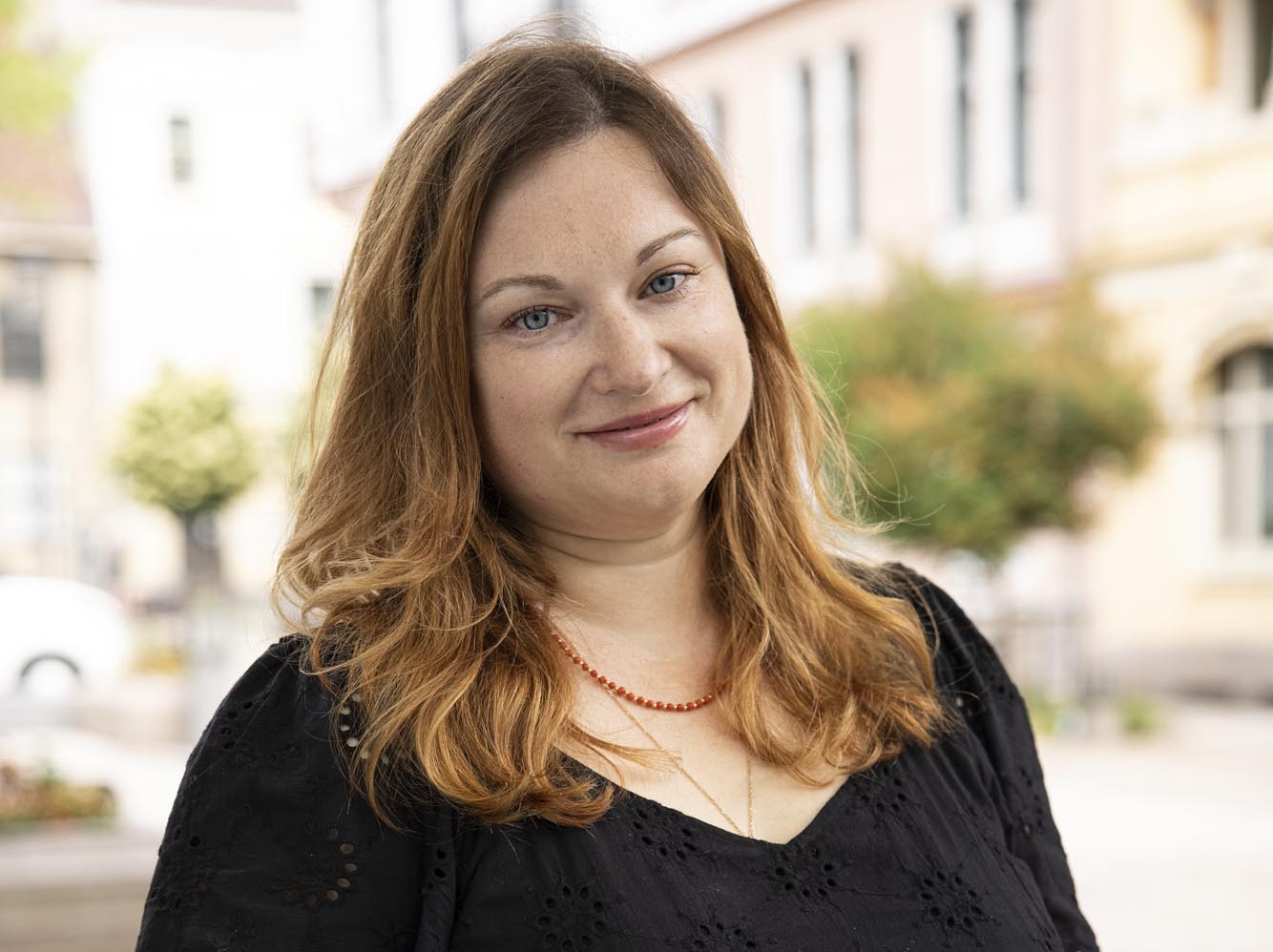
Who are you, and what is your role at The European Wergeland Centre?
I am the CFO of the Wergeland Centre, with responsibility for finance, financial management, and organizational governance. The Wergeland Centre runs extensive international projects in cooperation with public authorities, schools, and organizations across a number of countries. As a result, my role also involves overseeing funding, budgets, and reporting for international programs, while ensuring that resources are managed transparently and efficiently in accordance with the requirements of our partners and donors.
What motivates me most is helping to create the financial foundation that enables the organization to achieve the greatest possible impact through its work on democracy, human rights, and inclusive education—both in Norway and internationally.
What made you want to work at the Wergeland Centre?
What attracted me most was the combination of an important social mission and an international perspective. The Wergeland Centre works to strengthen democracy, human rights, and inclusive education—values that are increasingly being challenged in many parts of the world. Being able to use my expertise in finance, and particularly in leadership, to support this work is both meaningful and motivating.
What topics/questions are you most passionate about when it comes to democracy, education and human rights?
I am particularly interested in how we build resilient institutions and foster trust in society. Democracy is about more than elections—it is also about participation, transparency, and respect for different perspectives. I believe education plays a key role in developing critical thinking, countering polarization, and equipping people with the tools they need to participate actively in society.
What are people often surprised to learn about you?
Many people are surprised to learn that I hold a master’s degree in linguistics. My master’s thesis explored Arabic loanwords in the Norwegian language and examined how languages influence one another through culture, trade, and historical encounters.
I have always been fascinated by languages and literature, and I enjoy exploring how language builds bridges between people and cultures. Although I later pursued studies in finance and leadership and now work in finance and organizational management, my interest in language and communication has remained with me throughout my career.
In fact, I believe my background in linguistics has made me a better leader and collaborator, because effective communication and the ability to understand different perspectives are every bit as important as understanding numbers.
What is one book everyone should read?
I would recommend The Red and the Black by Stendhal. The novel offers a powerful portrayal of ambition, power, and social mobility in post-Napoleonic France, showing how individuals navigate a society marked by rigid class divisions and hypocrisy.
Through the protagonist, Julien Sorel, we gain insight into how ambition, love, and social climbing are often closely intertwined—and not always in idealistic ways. It is a novel that remains highly relevant because it offers timeless insights into human ambition and the structures of society.
What advice would you give your younger self?
Be curious, ask questions, and don’t be afraid to say yes to opportunities that seem a little outside your comfort zone. Experience is built over time, and the most valuable learning moments often come when things do not go exactly as planned. No one expects you to know everything—but they do expect you to be willing to learn.