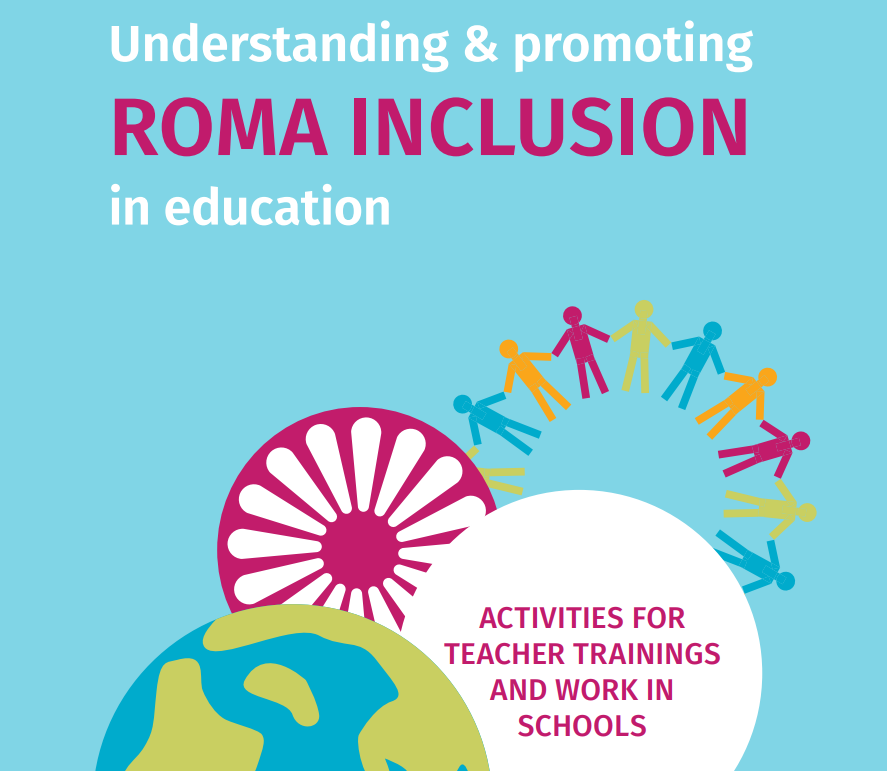
Enhancing Roma inclusion through democratic classrooms
To safeguard our democracies, we must strengthen democratic governance in kindergartens, schools, and local communities.
When children grow up in a democratic culture – guided by teachers who have the skills and confidence to empower them – they learn not only the foundations of democracy and human rights, but also the responsibility to uphold and defend them.
No one has a longer and more difficult road to reach the classroom than Europe’s Roma minority. Roma constitutes Europe’s largest ethnic minority, with eight out of ten living below the national poverty line.
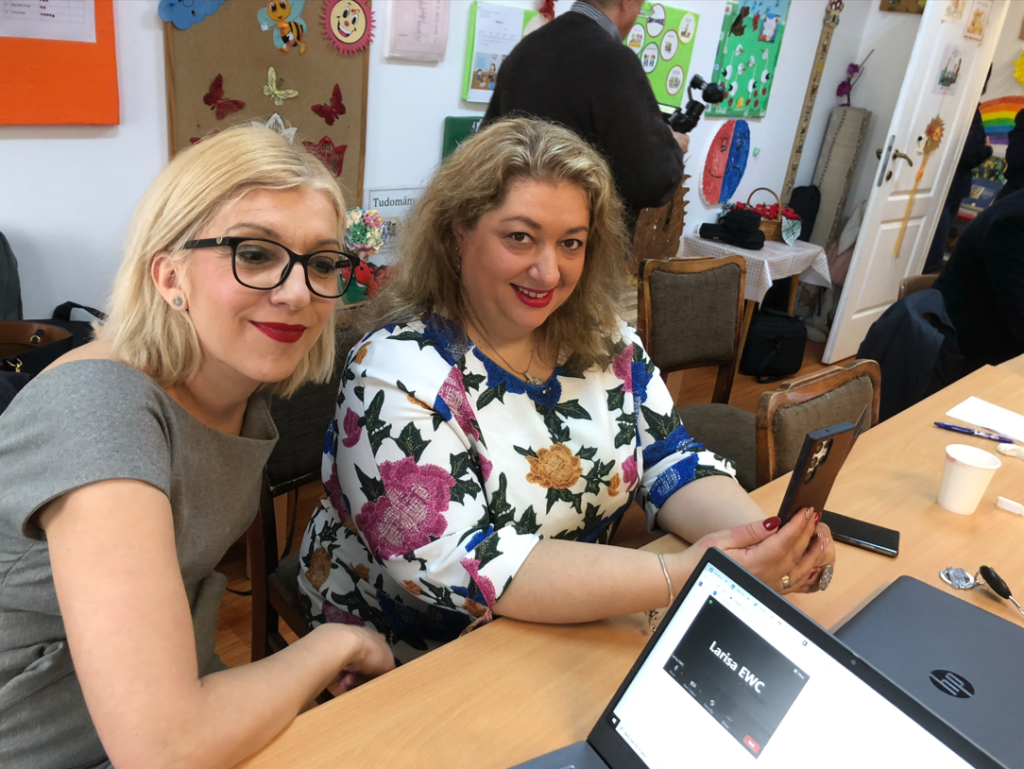
Discrimination, poverty, segregation, and mistrust between communities continue to deny many Roma children their fundamental right to education. Throughout the years, The European Wergeland Centre has worked with educators, researchers, municipalities, museums, educational institutions and community centres in Bulgaria, the Czech Republic, Slovakia, Romania and Norway to enhance Roma inclusion.
“At the Wergeland Centre, our expertise lies in addressing controversial issues and democratic competences through the educational sector. Due to our experience with such work, more and more partners have recently turned to us for collaboration on tackling Roma inclusion through education.”
Wergeland Senior Advisor Larisa Leganger Bronder.
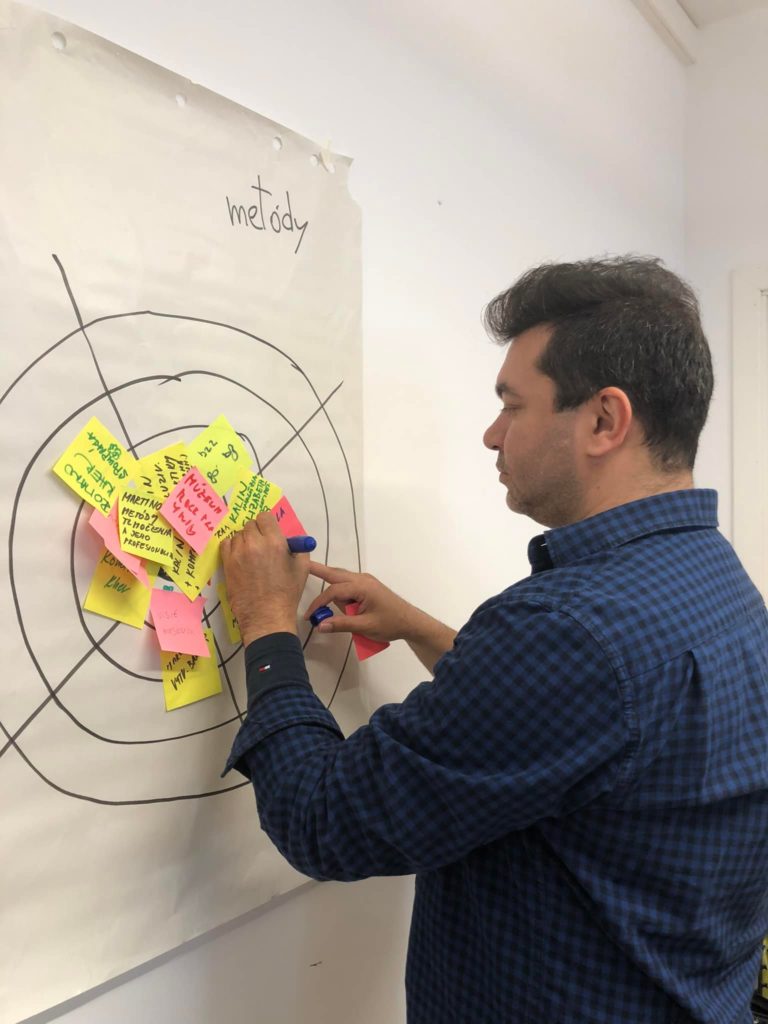
Supported by the EEA Grants, and in cooperation with local partners, the Wergeland Centre’s focus on enhancing knowledge and understanding through participatory methods. These approaches can help challenge stereotypes and assumptions and combat discrimination against Roma communities.
As a European organisation, the Wergeland Centre sees cross-border cooperation and connecting partners across countries as an important way of strengthening collective efforts to combat discrimination.